Interior Paint Colors: 2025 Trends and Expert Tips
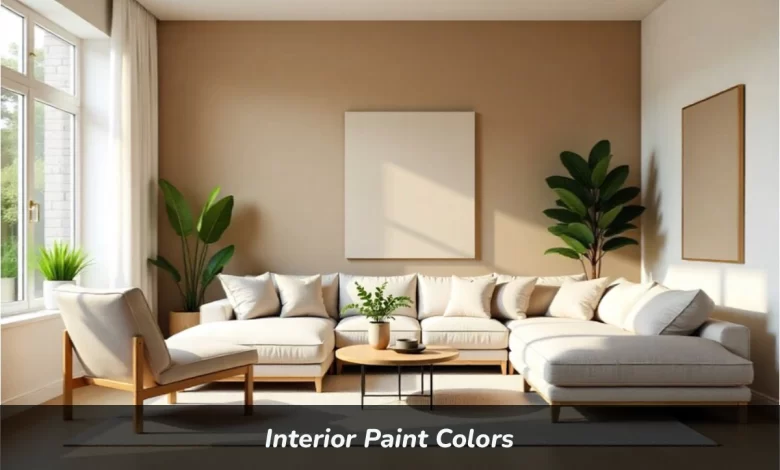
Interior paint colors in 2025 focus on warm neutrals, moody earth tones, and nature-inspired hues. Benjamin Moore’s Cinnamon Slate leads as Color of the Year, while rich browns, dusty greens, and berry tones dominate. Homeowners favor adaptable shades that create calm, cozy spaces with depth and character.
Choosing paint colors for your home can feel overwhelming. You stand in the paint aisle, staring at hundreds of swatches, wondering which shade will look right on your walls. The good news? 2025 brings a clear direction for interior paint colors that balances warmth, personality, and timeless appeal.
This year, designers and paint brands are moving away from stark whites and cool grays. Instead, they’re choosing colors that make spaces feel lived in and welcoming. Whether you’re planning a full home refresh or updating a single room, understanding current color trends helps you make confident decisions.
Why Interior Paint Colors Matter More Than You Think
Paint transforms a room faster than any other design choice. It sets the mood, affects how light bounces around your space, and influences how furniture and decor look together.
Research shows that 81% of design professionals recommend warm neutrals for home interiors when selling, as these colors increase perceived value by making homes feel inviting without overwhelming potential buyers. But color isn’t just about resale value. It impacts how you feel in your space every single day.
The right paint color can make a small room feel larger, a dark space feel brighter, or a cold room feel cozier. It also reflects your personality and creates the atmosphere you want. That’s why understanding current trends matters, even if you prefer classic choices.
Warm Neutrals Continue Their Reign
Warm neutrals aren’t going anywhere in 2025. These versatile shades work in any room and pair well with different furniture styles and lighting conditions.
Popular off-white choices for 2025 include Sherwin-Williams Pure White SW 7005, which offers crisp, clean tones perfect for walls or trim, and Alabaster SW 7008, a soft and warm shade ideal for creating cozy vibes. These colors provide a clean backdrop without the stark feel of pure white.
Other strong contenders include:
- Shoji White SW 7042: An off-white with subtle gray undertones that adds sophistication
- Dover White SW 6385: A creamy white with a touch of yellow for added warmth
- Swiss Coffee by Benjamin Moore: A balanced warm white that never feels dated
According to a 2024 survey of design experts, 46% say earthy tones are the most popular color palette, while 41% favor warm neutrals. This shows the shift toward colors that feel grounded and natural rather than clinical or cold.
Warm neutrals work because they adapt to your lifestyle. Add bright throw pillows, and they feel fresh and modern. Pair them with wood tones, and they feel organic and calm. Switch to darker accent,s and they provide contrast that makes everything pop.
Rich Browns and Mocha Tones Take Center Stage
Brown is having a major moment. Not the dated browns of the past, but sophisticated, nuanced shades that add depth without darkness.
Benjamin Moore’s 2025 Color of the Year, Cinnamon Slate 2113-40, combines heathered plum with velvety brown, creating a nuanced color that brings smooth familiarity to any design while transitioning gracefully from room to room.
Laura Williams of ATX Interior Design notes that “paint colors that exhibit moodiness without being terribly dark will be very present in 2025,” pointing to shades like Hot Cocoa by Sherwin-Williams, a chocolatey-mauve that provides depth but still reflects light beautifully.
These browns work particularly well in:
- Living rooms where you want warmth and intimacy
- Home offices that need focus without feeling sterile
- Bedrooms seeking a cozy, enveloping feel
- Dining spaces where rich tones encourage lingering
Brown tones pair beautifully with natural materials like wood, brass, and linen. They also provide an excellent backdrop for artwork and decorative objects.
Nature-Inspired Greens Bring the Outdoors In
Green continues its popularity surge in 2025, but the shades are getting more sophisticated and muted.
Ashley Macuga of Collected Interiors explains that “relaxed green shades are gentle and subdued, inspired by natural elements like eucalyptus and olive leaves, with neutral undertones like gray or beige that make them highly versatile for cabinetry, millwork, or walls.”
Caldwell Green by Benjamin Moore, described as a sophisticated hunter green with gray undertones, brings richness to spaces without overwhelming them, pairing beautifully with warm woods, brass accents, or matte black finishes.
Popular green choices include:
- Dusty olive: Perfect for accent walls in modern or rustic spaces
- Rosemary by Sherwin-Williams: A transitional green that pairs with many color schemes
- Forest green: Ideal for creating drama in dining rooms or home offices
These greens create calm, soothing environments. They work particularly well in bedrooms, bathrooms, and spaces where you want to feel grounded and connected to nature.
Bold Blues Make Thoughtful Statements
Blue remains a timeless choice, but 2025 favors more complex, interesting shades over basic navy.
Margaret Donaldson of MDI Luxury Design favors Benjamin Moore’s Bellbottom Blues, “a timeless shade of blue that provides boldness and personality while not being overpowering, with a slightly muted undertone that provides striking contrast when paired with neutrals, warm tones, and metallic finishes.”
Blue-greens also gain traction this year. TC Chou, founder of Design Determination, predicts that “calm and peaceful colors with earthy tones, like blue-green, settle down the dust in your mind and create a natural, harmonious atmosphere, blending boldness with soothing calm.”
Blue works well in:
- Bedrooms where you want serenity
- Bathrooms seeking a spa-like atmosphere
- Home offices need focus
- Living spaces that feel too warm or sunny
Consider testing blues in different lights. They can shift dramatically from morning to evening, so sample on your actual walls before committing.
Berry Tones and Purples Add Unexpected Warmth
Purple and berry tones are making a comeback, but in sophisticated, grounded ways.
E. Norton of Norton Interiors says, “We are loving berry tones, as they give off a rich, warm feeling without being overly feminine, and they’re extremely versatile, working well for a moody dining room or paired with fun wallpaper.”
Gabrielle Bove of Opaline Interiors Studio notes that “purple is making a comeback, with dark, moody plum colors being incorporated into spaces like bedrooms, offices, and lounges, evoking warmth and pairing well with rich woods and green tones.”
These shades work best as accent walls or in smaller spaces where you want personality without overwhelming the room. They pair beautifully with gold accents, warm woods, and neutral furnishings.
How to Choose Interior Paint Colors for Your Space
Picking the right color requires more than following trends. You need to consider your space, lighting, and how you actually live.
Start by examining your natural light. North-facing rooms with cooler light benefit from warm colors that add coziness. South-facing rooms with abundant warm light can handle cooler tones without feeling cold.
Consider your existing furniture and decor. If you have warm wood tones, choose paint colors that complement rather than clash. If you have cool metal finishes, cooler paint tones might work better.
Think about the mood you want to create:
- Calm and relaxing: Soft blues, muted greens, warm neutrals
- Cozy and intimate: Rich browns, deep greens, berry tones
- Bright and energizing: Off-whites, pale yellows, soft corals
- Sophisticated and dramatic: Deep charcoals, moody blues, forest greens
Always test colors before committing. Buy sample cans and paint large swatches on your walls. Look at them in different lights throughout the day. Colors can shift dramatically from morning to evening or between artificial and natural light.
Practical Tips for Interior Paint Color Success
Getting professional results requires more than choosing the right color. Proper preparation and technique make all the difference.
Prepare your walls properly. Fill holes, sand rough spots, and clean thoroughly. Paint adheres better to properly prepared surfaces and shows true color without imperfections affecting the finish.
Use quality paint. Cheaper paint requires more coats and doesn’t provide the same depth of color or durability. Benjamin Moore, Sherwin-Williams, and Behr all offer excellent options that cover well and last longer.
Prime when necessary. If you’re making a dramatic color change, especially going from dark to light or covering stains, primer saves time and money. It creates a uniform base that helps your final color look its best.
Consider finishing carefully. Matte and eggshell finishes hide imperfections but are harder to clean. Satin and semi-gloss finishes withstand scrubbing but show wall flaws more readily. Choose based on your room’s needs and traffic level.
Paint in the right order. Do ceilings first, then walls, trim. This prevents drips and splatter from ruining finished surfaces and makes the process more efficient.
Room-by-Room Color Guidance
Different rooms have different needs when it comes to color choices.
Living Rooms: Choose colors that feel welcoming but not too personal. Warm neutrals, soft greens, and muted blues work well because they appeal to most people and create comfortable gathering spaces.
Bedrooms: Go for colors that help you relax. Soft blues, muted greens, warm taupes, and gentle lavenders all promote calm. Avoid stimulating colors like bright red or orange in spaces meant for rest.
Kitchens: Consider how color affects your appetite and energy. Warm whites keep things bright and clean, while soft greens and blues add personality without overwhelming. Save bold colors for accent walls or cabinets.
Bathrooms: Create spa-like retreats with soft blues, pale greens, or warm whites. These colors feel clean and fresh while promoting relaxation. Darker colors work in powder rooms but can make small bathrooms feel cramped.
Home Offices: Choose colors that promote focus without causing fatigue. Soft blues, muted greens, and warm grays help concentration. Avoid colors that feel too energizing or too relaxing.
Color Combinations That Work
Single colors rarely exist in isolation. Creating successful color schemes means understanding how colors work together.
Pair warm neutrals with natural materials like wood, stone, and linen. This creates depth and interest without relying on multiple paint colors. Add texture through fabrics and finishes.
Combine earthy greens with warm browns and creamy whites. This nature-inspired palette feels organic and calming. It works particularly well in spaces with lots of natural light.
Match rich browns with soft pinks or mauves for unexpected sophistication. This combination feels current without being trendy. Add brass or gold accents for extra warmth.
Use blue-greens with warm wood tones and white trim. This classic combination feels fresh and timeless. It works in both traditional and modern spaces.
Keep your color scheme simple. Stick to three main colors throughout your home, with one or two accent colors for interest. This creates flow and prevents your space from feeling chaotic.
Final Thoughts
Interior paint colors in 2025 celebrate warmth, depth, and connection to nature. Whether you choose a sophisticated brown, a calming green, or a classic warm neutral, the key is selecting colors that make your space feel like home.
Don’t rush the decision. Live with samples on your walls for several days. See how they look in different lights and at different times. Trust your instincts about what feels right for your space and lifestyle.
Remember that paint is one of the most affordable ways to transform your home. If you don’t love it after a few months, you can change it. The goal isn’t perfection. It’s creating a space where you feel comfortable, happy, and at home.