Interior Design in the USA: Market Insights, Trends, and Career Paths
Interior design in the USA is a $27.2 billion industry in 2025, employing over 155,000 professionals. The field combines creativity with technical expertise to create functional, safe, and beautiful indoor spaces. With median salaries of $63,490 and 3% projected job growth through 2034, interior design offers stable career opportunities across residential and commercial sectors.
The interior design industry shapes how Americans live, work, and interact with their spaces. From luxury penthouses in Manhattan to cozy bungalows in Portland, professional designers transform ordinary rooms into extraordinary environments. This guide explores the current state of interior design in the USA, career prospects, and emerging trends reshaping the industry.
The State of Interior Design in the USA
The interior design market in the USA reached $27.2 billion in 2025, with approximately 155,000 businesses operating nationwide. This represents steady growth despite economic challenges, with the industry expanding at a rate of 4.2% annually between 2020 and 2025.
The United States accounts for 25.4% of the global interior design market, making it the largest national market worldwide. This dominance stems from strong consumer spending, a robust real estate sector, and Americans’ willingness to invest in their living spaces.
Interior designers create more than just pretty rooms. They make indoor spaces functional, safe, and beautiful by determining space requirements and selecting essential and decorative items. Their work spans residential homes, corporate offices, healthcare facilities, hotels, restaurants, and retail stores.
The industry serves two primary markets. Residential design accounts for the majority of projects, while commercial work provides steady revenue streams for larger firms. This balance helps the profession weather economic fluctuations, as strong consumer spending can offset slowdowns in commercial construction.
Breaking Into Interior Design: Education and Salary
Interior designers typically need a bachelor’s degree to enter the occupation. Most programs combine art, design theory, technical drawing, computer-aided design, and building codes. Students learn about color theory, textiles, furniture design, lighting, and spatial planning.
Many states require interior designers to be licensed or registered, particularly for commercial projects. Licensing requirements vary by state but often include passing the National Council for Interior Design Qualification exam and completing supervised work experience.
The median annual wage for interior designers was $63,490 in May 2024, with hourly rates averaging $30.52. Entry-level designers typically earn less, while experienced professionals in major metropolitan areas can command significantly higher fees. Top earners, particularly those working with luxury residential clients or heading design firms, can exceed six-figure incomes.
California employs the most interior designers of any state, reflecting strong demand in wealthy regions with active real estate markets. New York, Texas, and Florida also maintain large concentrations of design professionals.
Career Outlook and Job Opportunities
Employment of interior designers is projected to grow 3% from 2024 to 2034, about as fast as the average for all occupations, with approximately 7,800 openings projected each year. While this growth rate seems modest, it represents stable, consistent demand.
Job openings arise from two sources. New positions emerge as the industry expands, but many opportunities come from experienced designers retiring or changing careers. This turnover creates regular openings for newcomers.
Several factors support continued demand. Rising consumer spending encourages homeowners to invest in professional design services. The growing real estate market generates work as new homeowners personalize their spaces. Commercial clients seek designers to create competitive advantages through appealing environments.
Work settings vary widely. Many designers work in specialized design services firms or architectural and engineering companies. Others operate independent practices, offering flexibility but requiring business management skills. Some find positions with furniture stores, home improvement retailers, or hospitality companies.
Top Interior Designers Shaping American Style
The USA produces some of the world’s most influential designers, each bringing unique perspectives to the field.
Kelly Wearstler is known for her bold, eclectic, and sophisticated style that blends vintage and modern elements, creating visually striking spaces with vibrant colors, rich textures, and sculptural furniture. Her work for luxury hotels and high-end residential properties has made her synonymous with contemporary glamour.
Peter Marino is one of the most respected names in luxury interior design, particularly in the fashion retail sector, serving as the mastermind behind flagship stores for brands like Chanel, Louis Vuitton, and Dior. His signature aesthetic incorporates opulent materials and modernist influences.
Michael S. Smith is a master of classic American interior design, creating warm, elegant, and timeless spaces. His sophisticated yet inviting aesthetic made him the designer of choice for the Obama White House.
Jonathan Adler is celebrated for his playful, modern, and colorful approach to interior design, fusing mid-century modern influences with bold patterns. Starting as a potter, he expanded into furniture and full-scale interiors that feel both sophisticated and fun.
These designers represent different approaches, from Wearstler’s maximalist drama to Smith’s understated elegance. Their success demonstrates that multiple styles can thrive in the American market.
Current Trends in Interior Design for 2025
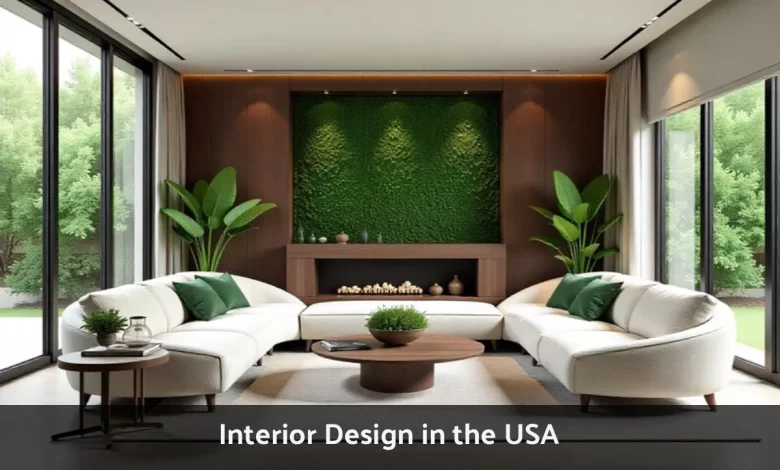
Sustainability and eco-consciousness are taking center stage in interior design, with biophilic designs featuring living plants, natural textures, and living walls witnessing an upsurge in demand. Homeowners want to infuse indoor spaces with nature using renewable materials and energy-efficient elements.
Darker woods made a comeback as a design trend in 2024 and will continue into 2025, adding a sense of sophistication and depth to interiors with their warm, vintage aesthetic. Rich wood stains like walnut and espresso create foundations of warmth.
Green became the color story of 2024, showing up everywhere from kitchen cabinets to deep emerald bathroom tiles, paired with biophilic design elements like indoor living walls and natural textures. This trend reflects a desire to create tranquil retreats that echo the outdoors.
Rounded and curved furniture has dominated recent trade shows and is expected to continue in 2025, with circular coffee and dining tables, oblong mirrors, and bulbous sofas appearing everywhere. This trend stems from growing interest in organic modern style, incorporating natural shapes.
Smart home technology continues gaining traction. Homeowners want integrated systems for lighting, climate control, and security. Designers must understand these technologies and incorporate them seamlessly into their plans.
Home offices remain important as hybrid work models persist. Clients want a dedicated workspace with natural light, ergonomic furniture, and professional backgrounds for video calls.
How Interior Design Impacts Real Estate Value
Professional interior design affects property values and marketability. Well-designed spaces sell faster and command premium prices compared to generic layouts.
Kitchen and bathroom renovations typically provide the best return on investment. A kitchen remodel can return up to 80% of costs, while bathroom updates deliver around 70% returns. These percentages vary based on location, project scope, and material quality.
Outdoor spaces increasingly contribute to home value. Covered porches with comfortable seating, climate control, and entertainment features extend living space and appeal to buyers seeking indoor-outdoor lifestyles.
Proper space planning maximizes functionality in smaller homes and urban apartments. Designers create multifunctional rooms that adapt to different needs throughout the day, making efficient use of every square foot.
Residential vs Commercial Interior Design
Residential and commercial design require different skill sets and approaches.
Residential designers work directly with homeowners to create personalized spaces reflecting individual tastes and lifestyles. Projects range from single-room updates to whole-home renovations. Success requires strong interpersonal skills, patience, and the ability to interpret sometimes vague client preferences.
Commercial designers serve businesses, institutions, and public spaces. They consider factors like brand identity, employee productivity, customer experience, accessibility requirements, and building codes. Projects often involve larger budgets and teams, including architects, contractors, and facility managers.
Some designers specialize in specific commercial niches. Healthcare design focuses on patient comfort and safety. Hospitality designers create memorable experiences for hotels and restaurants. Retail designers optimize layouts to encourage purchases while expressing brand values.
The Role of Technology in Modern Design

Technology has transformed how designers work and what they can offer clients.
Computer-aided design software allows precise planning and visualization. Designers create detailed floor plans, experiment with color schemes, and produce realistic renderings showing exactly how finished spaces will look.
Virtual reality lets clients experience proposed designs before construction begins. Walking through virtual spaces helps them understand spatial relationships and make confident decisions.
Digital tools enable remote consultations and e-design services. Clients in small towns can access talented designers in major cities. This expands opportunities for both designers and consumers.
Social media platforms showcase design work and inspire potential clients. Instagram and Pinterest drive trends as users share favorite spaces. Designers who build strong online presences attract clients seeking their specific aesthetic.
Challenges Facing the Interior Design Industry
The profession faces several ongoing challenges.
Economic fluctuations affect demand. When recession concerns rise, consumers and businesses postpone discretionary projects. Interest rate changes impact construction activity, which directly influences designer workload.
Competition remains intense. Low barriers to entry mean anyone can claim the title “interior designer.” Unlicensed practitioners often undercut professionals who invest in education and credentials.
Supply chain disruptions create project delays and budget overruns. Furniture and materials may take months to arrive, frustrating clients and complicating scheduling.
Sustainability requirements increase complexity. Clients want eco-friendly options, but green materials sometimes cost more or offer fewer choices. Designers must balance environmental goals with budgets and aesthetics.
Education and Professional Development
Continuous learning keeps designers competitive.
Professional organizations like the American Society of Interior Designers offer resources, networking opportunities, and continuing education. Membership demonstrates commitment to professional standards.
Trade shows and industry events showcase new products, materials, and technologies. High Point Market, the International Contemporary Furniture Fair, and regional design shows let professionals see upcoming trends firsthand.
Specialized certifications add credentials. LEED accreditation demonstrates expertise in sustainable design. NCIDQ certification proves competency for licensing purposes.
Many successful designers develop expertise in specific styles, project types, or client demographics. Specialization helps differentiate their services in crowded markets.
Final Thoughts
Interior design in the USA represents a mature, stable industry with consistent demand and diverse opportunities. The field combines artistic vision with technical knowledge, business acumen, and interpersonal skills.
Career prospects remain solid for qualified professionals. While not experiencing explosive growth, steady expansion ensures regular openings. The profession offers various paths, from independent practice to corporate positions, residential focus to commercial specialization.
Current trends emphasize sustainability, natural elements, and technology integration. Designers who master these areas while maintaining strong fundamental skills will find success. The industry continues evolving, but core principles of creating beautiful, functional spaces endure.
For those passionate about shaping environments and helping clients realize their visions, interior design offers a rewarding career. Success requires dedication, continuous learning, and genuine interest in how design impacts daily life.
Frequently Asked Questions
What qualifications do I need to become an interior designer in the USA?
Most interior designers need a bachelor’s degree in interior design or a related field. Many states also require licensing, which typically involves passing the NCIDQ exam and completing supervised work experience. Requirements vary by state and project type.
How much can interior designers earn in the USA?
The median annual salary for interior designers was $63,490 in May 2024. Entry-level designers earn less, while experienced professionals in major cities or luxury markets can earn significantly more. Top designers may exceed six figures annually.
What’s the difference between an interior designer and an interior decorator?
Interior designers have formal education and often have a license. They handle structural planning, building codes, and technical aspects. Decorators focus on furnishings, color schemes, and aesthetic elements without the technical training or licensing requirements.
Is interior design a growing career field?
The Bureau of Labor Statistics projects 3% employment growth for interior designers from 2024 to 2034, which matches average growth across all occupations. This represents stable, consistent demand rather than explosive growth.
What are the biggest trends in interior design for 2025?
Key trends include sustainability and biophilic design, darker wood tones, green and blue color palettes, rounded furniture forms, smart home technology integration, and multifunctional spaces that adapt to changing needs throughout the day.