Home Upgrading Mintpalment: Your Complete Guide to Value-Driven Renovations
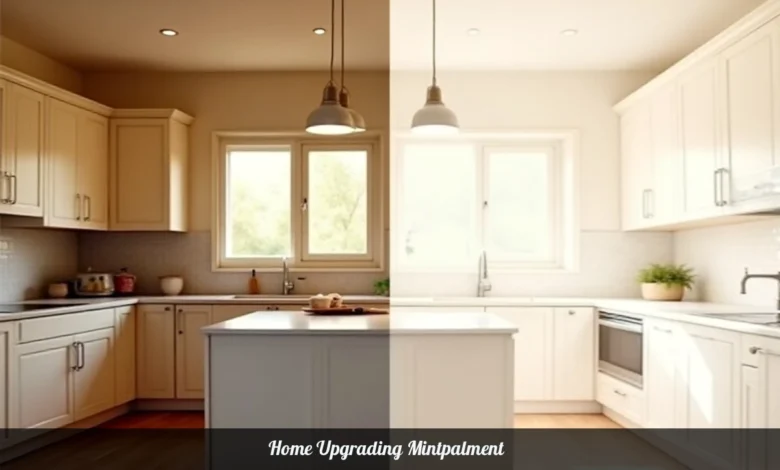
Home upgrading Mintpalment refers to strategic, intentional home improvements that maximize comfort, efficiency, and property value. This approach prioritizes planning, high-ROI projects, and sustainable choices over trend-chasing. Start by assessing your space, setting realistic budgets, and focusing on upgrades that solve real problems while adding lasting value.
What Makes Home Upgrading Maintenance Different
Traditional renovations often chase trends or quick fixes. Home upgrading, Mintpalment takes a smarter path. This framework centers on mindful decisions that serve your lifestyle while protecting your investment.
The name combines “mint” (as in creating fresh value) with “payment” (smart financial planning). You upgrade with purpose, not impulse. Each project answers a simple question: Does this solve a real problem or add genuine comfort?
According to the 2024 Remodeling Impact Report, homeowners who plan strategically enjoy 60-80% higher satisfaction rates than those who rush decisions. The difference lies in intentional thinking.
Why Strategic Planning Beats Impulsive Renovations
Planning separates successful upgrades from costly regrets. Start by walking through your home with a notepad. List what frustrates you daily. A dark kitchen? Cramped bathroom? Poor storage?
Write down these pain points before browsing Pinterest. This grounds your decisions in reality, not fantasy. You’ll spend money solving actual problems instead of creating designer spaces you rarely use.
Budget 15-20% extra for surprises. Permits, material delays, and hidden issues (like outdated wiring) add costs. Building this cushion prevents mid-project panic when contractors discover problems behind your walls.
Kitchen Upgrades That Deliver Real Returns
Kitchens consistently rank as the highest-value upgrade. A 2024 National Association of Realtors study found minor kitchen remodels recover 85% of costs at resale. Major remodels recover 54%.
Start with the work triangle (sink, stove, refrigerator). Efficient placement reduces steps and frustration. Replace outdated cabinets with soft-close drawers. Upgrade to quartz countertops for durability.
Install task lighting under cabinets. Add a statement pendant over the island. Swap old appliances for energy-efficient models. These changes create a kitchen that works beautifully without gutting the entire room.
Pro tip: Keep the plumbing in place if possible. Moving water lines and drain pipes inflates costs by 30-40%.
Bathroom Improvements Worth Your Investment
Bathrooms deliver strong returns with relatively modest investment. Focus on three areas: fixtures, storage, and ventilation.
Replace water-wasting toilets and faucets with EPA WaterSense-certified models. Install a walk-in shower with grab bars (future-proofing for aging in place). Add a double vanity if space allows.
Proper ventilation prevents mold and extends material life. Install a humidity-sensing exhaust fan. Choose porcelain tile for floors (waterproof and low-maintenance). Add recessed medicine cabinets to maximize storage without losing floor space.
A well-executed bathroom remodel typically recoups 60-70% of costs, according to 2024 Remodeling Magazine data.
Energy Efficiency Upgrades That Pay Monthly Dividends
Energy improvements deliver the best long-term value. They reduce utility bills while increasing comfort and resale appeal.
Start with insulation. Attic insulation costs $1,500-3,000 but cuts heating/cooling costs by 15-30% annually. The payback period runs 3-5 years, then you save money every month for decades.
Replace single-pane windows with double-pane, low-E glass units. Add weather stripping around doors. Seal air leaks in basements and crawl spaces. These fixes cost less than $2,000 total and slash energy waste.
Consider a programmable thermostat ($150-300) or heat pump system ($4,000-8,000). Both reduce energy use while maintaining comfort. Solar panels, though expensive upfront ($15,000-25,000), offer tax credits and eliminate electric bills long-term.
Smart Material Selection for Longevity
Cheap materials cost more over time. Quality choices withstand daily wear while requiring minimal maintenance.
For flooring, choose luxury vinyl plank (LVP) or porcelain tile. Both resist water, scratches, and stains. LVP costs $3-7 per square foot installed. Porcelain runs $5-15. Avoid laminate in bathrooms or kitchens (moisture damage).
For countertops, quartz outperforms granite. It resists staining, never needs sealing, and costs $60-120 per square foot. Granite requires annual sealing and stains more easily despite costing similar amounts.
Exterior paint quality matters more than you’d think. Premium exterior paint ($50-70 per gallon) lasts 10-15 years. Cheap paint ($25-35 per gallon) fails in 3-5 years. You’ll repaint three times for every one premium job.
Interior Design Updates That Transform Spaces
Design changes cost less than construction but dramatically affect how spaces feel.
Paint delivers the biggest impact per dollar. Neutral colors (warm grays, soft beiges, crisp whites) appeal broadly and pair with any decor. Budget $200-400 per room for professional paint jobs.
Update lighting in every room. Replace builder-grade fixtures with modern options. Add dimmer switches ($15-30 each). Install LED bulbs (90% more efficient than incandescent). Better lighting instantly upgrades perceived quality.
Remove one piece of furniture from each room. Overcrowding makes spaces feel smaller. Less furniture opens sight lines and improves flow.
Creating Functional Storage Solutions
Storage problems cause daily frustration. Solving them improves quality of life more than any aesthetic upgrade.
Install closet systems ($300-1,500 per closet) instead of single rods. Double hanging rods, drawer units, and adjustable shelves multiply usable space by 2-3x.
Add floating shelves in kitchens, bathrooms, and home offices. They cost $20-50 each but hold frequently used items. Built-in mudroom benches with cubbies ($500-2,000) organize entryways.
Use vertical space. Wall-mounted bike racks, overhead garage storage, and tall pantry cabinets capture wasted cubic feet. Homes gain 200-400 square feet of storage capacity without adding square footage.
Exterior Improvements That Boost Curb Appeal
First impressions matter. Exterior upgrades influence property values and neighborhood perception.
Pressure wash siding, walkways, and driveways ($150-300 professional service). This simple step removes years of grime and restores the original appearance.
Refresh landscaping by removing overgrown shrubs and adding native plants. Native species require less water and maintenance while supporting local ecosystems. Budget $500-2,000 for professional landscaping refresh.
Replace the front door if it’s dated or damaged. Entry doors return 100% of cost at resale, according to 2024 Remodeling Magazine. A new door costs $500-2,500 installed and instantly modernizes your home’s face.
Living Spaces That Support Your Daily Routine
Living areas should match how you actually live, not magazine photos.
If you work from home, create a dedicated office space. Convert a spare bedroom, closet, or corner. Add proper desk lighting, ergonomic seating, and soundproofing. Remote work quality directly affects productivity and job satisfaction.
For families with kids, design mudrooms and playrooms that contain mess. Washable surfaces, durable furniture, and ample storage prevent chaos from spreading through the house.
If you entertain frequently, open the kitchen to the living room (if structural walls allow). This $5,000-15,000 project creates flow and makes hosting easier.
Outdoor Living Spaces for Extended Enjoyment
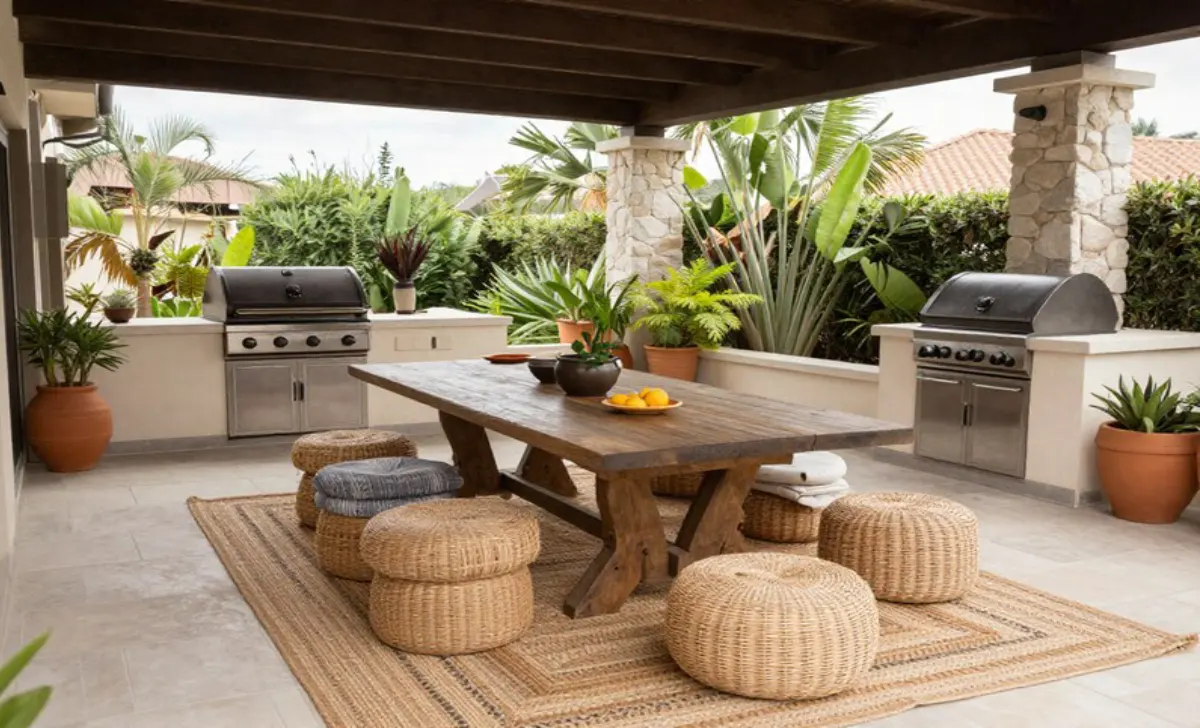
Outdoor areas expand usable square footage for 6-9 months annually in most climates.
Build a basic deck ($15-30 per square foot) or paver patio ($8-20 per square foot). Add weather-resistant furniture and shade structures. String lighting creates ambiance for $50-200.
For serious outdoor living, consider an outdoor kitchen ($5,000-25,000). Built-in grills, refrigerators, and counter space transform backyard entertaining. These features appeal strongly to buyers in warm climates.
Install a fire pit ($300-3,000 depending on type). Fire features extend the outdoor season and create gathering spaces that families actually use.
Avoiding Common Home Upgrading Mistakes
Most renovation regrets stem from predictable errors. Learn from others’ mistakes.
Don’t sacrifice function for style. That beautiful but shallow farmhouse sink? You can’t fit large pots. Those open shelves? Dust magnets. Choose designs that work daily, not just photograph well.
Never skip permits for structural, electrical, or plumbing work. Unpermitted work costs double when you’re forced to tear out and redo everything correctly. Permits cost $200-1,000 but protect you legally and ensure safety.
Avoid over-improving for your neighborhood. Installing $50,000 worth of upgrades in a $200,000 neighborhood won’t return an investment. Match upgrade quality to surrounding home values.
When to DIY vs Hire Professionals
DIY saves money but demands time and skill. Know your limits.
Safe DIY projects: painting, installing shelving, replacing fixtures (faucets, light switches), basic landscaping, and cosmetic updates. These require common tools and carry low risk.
Hire professionals for: electrical work, plumbing, structural changes, roofing, HVAC, and anything requiring permits. Mistakes here cause expensive damage or safety hazards. Licensed contractors carry insurance protecting you from liability.
Get three quotes for major projects. Check references, licenses, and insurance certificates. The lowest bid isn’t always best. Mid-range quotes from established contractors often deliver better value.
Financing Your Home Upgrades Strategically
Several options fund renovations, each with pros and cons.
Home equity loans offer fixed rates (currently 7-9%) and tax-deductible interest. You borrow against your home’s value. These work well for major projects ($10,000+).
Personal loans avoid using your home as collateral but carry higher rates (9-15%). They suit smaller projects or borrowers without home equity.
Cash-out refinancing replaces your mortgage with a larger loan, providing cash for upgrades. This only makes sense if you can secure a lower rate than your current mortgage.
Credit cards work for small projects under $5,000 if you can pay off within 12-18 months. Many cards offer 0% APR promotional periods.
Timeline Expectations for Major Projects
Realistic timelines prevent frustration and help you plan around disruptions.
Kitchen remodel: 6-12 weeks, depending on scope. Minor updates (cabinets, countertops, appliances) take 3-6 weeks. Full gut renovations need 8-16 weeks.
Bathroom remodel: 4-8 weeks for standard updates. Changing layouts or moving plumbing extends timelines to 6-12 weeks.
Flooring installation: 3-7 days per room, depending on material and preparation needs. LVP installs faster than hardwood or tile.
Exterior painting: 5-10 days for average homes (weather permitting). Interior painting takes 3-5 days per 1,500 square feet.
Add 20-30% buffer time for weather delays, material shipping, and permit approvals.
Future-Proofing Your Home Investment
Smart upgrades anticipate future needs, not just current preferences.
Install wider doorways (36″ minimum) and stepless entries during renovations. These accessibility features cost little extra during construction but thousands to add later.
Choose timeless designs over trendy ones. White subway tile and shaker cabinets have remained popular for decades. Trendy colors and patterns date quickly.
Invest in smart home infrastructure. Prewire for speakers, security cameras, and automated systems, even if you don’t install them immediately. Adding wiring later costs 3-4x more than installing during initial construction.
Maintaining Your Upgraded Home
Upgrades last longer with proper maintenance. Create a simple schedule.
Monthly: Clean HVAC filters, check for leaks under sinks, test smoke detectors, and clean range hood filters.
Quarterly: Deep clean appliances, inspect caulking around tubs and showers, check weather stripping on doors and windows.
Annually: Service HVAC system, clean gutters (twice if you have trees), inspect roof for damage, pressure wash exterior, reseal wood decks.
Semi-annually: Touch up paint on high-traffic areas, deep clean carpets, and inspect plumbing for leaks.
Preventive maintenance costs $500-1,000 yearly but prevents $5,000-10,000 emergency repairs.
Final Thoughts
Home upgrading Mintpalment transforms how you approach renovations. Instead of chasing trends or making impulsive decisions, you plan strategically. You prioritize projects that solve real problems and add genuine value.
This approach works for any budget. Small, thoughtful changes compound over time. A $500 paint job plus $300 in new fixtures creates a dramatic impact. Spread larger projects over multiple years.
Remember that your home should serve your life, not impress strangers. Upgrade spaces you use daily first. Fix problems before adding luxuries. Choose quality over quantity.
Start small. Walk through your home this week. List three things that frustrate you daily. Pick the easiest fix and complete it this month. Build momentum with quick wins before tackling major projects.
Home upgrading Mintpalment isn’t about perfection. It’s about progress, planning, and purposeful improvement. Your home will never be “finished,” but it can continually get better at supporting the life you want to live.
Frequently Asked Questions
What does home upgrading Mintpalment mean?
Home Upgrading Maintenance describes strategic, value-focused home improvements. The approach emphasizes planning, prioritizing high-impact projects, and choosing upgrades that solve real problems while adding lasting value. It rejects trend-chasing in favor of intentional, purposeful renovations.
How much should I budget for a whole-home upgrade?
Budget 5-15% of your home’s value for comprehensive upgrades. A $300,000 home might need $15,000-45,000 for significant improvements. Prioritize projects by impact and spread costs over 2-3 years if needed.
Which upgrades add the most resale value?
Kitchen and bathroom remodels consistently deliver the highest returns (60-85% cost recovery). Entry door replacement, deck additions, and energy-efficient windows also perform well. Focus on functional improvements over purely cosmetic changes.
Can I upgrade my home for under $10,000?
Yes. Paint ($1,500-3,000), updated lighting ($500-1,500), landscaping refresh ($1,000-2,000), new flooring in key rooms ($2,000-4,000), and bathroom fixture updates ($500-1,500) total under $10,000 and significantly improve appearance and function.
How long do most home upgrades take?
Small projects (painting, fixture swaps) take 1-5 days. Medium projects (bathroom remodel, flooring) need 2-8 weeks. Large projects (kitchen remodel, additions) require 8-16 weeks. Always add a 20-30% buffer for delays.
Should I renovate before selling or price lower?
That depends on your market. In competitive markets, modest updates (paint, flooring, fixtures) help homes sell faster at better prices. In slower markets, price lower and let buyers customize. Consult a local agent for specific guidance.
What permits do I need for home upgrades?
Permits are required for structural changes, electrical work, plumbing modifications, roofing, additions, and HVAC installations. Cosmetic updates (paint, flooring, fixtures) typically don’t need permits. Check local building department requirements before starting.
How do I find reliable contractors?
Ask neighbors for recommendations, check online reviews, verify licenses and insurance, interview at least three contractors, review past work examples, and get detailed written estimates. Never pay more than 30% upfront.
What’s the best time of year to start renovations?
Spring and fall offer mild weather and moderate contractor demand. Avoid summer (peak season, higher prices) and winter (weather delays). Plan interior projects for winter and exterior projects for spring/fall.
How can I upgrade sustainably?
Choose durable materials, install energy-efficient systems, use low-VOC paints, select LED lighting, add insulation, install WaterSense fixtures, source local materials when possible, and donate old fixtures rather than landfilling them.