Home Upgrading Advice Mintpalment: Transform Your Space With Smart Renovations
Featured Snippet Summary: Home upgrading advice. Mintpalment provides a framework for making smart renovation decisions that balance cost, comfort, and long-term value. This approach prioritizes mindful planning, energy efficiency, and functional improvements over trendy cosmetic changes. By focusing on high-ROI projects like kitchen remodels, bathroom upgrades, and exterior improvements, homeowners can increase property value while creating spaces that better serve their daily needs.
You want your home to feel better, work smarter, and hold more value. But where do you start when every renovation decision feels like a gamble?
Home upgrading advice, Mintpalment offers a clear path forward. This framework helps you make renovation choices based on what actually matters: your budget, your lifestyle, and your long-term goals.
In 2025, Americans spent over $603 billion on home improvements. Yet many homeowners still struggle to identify which projects deliver real returns and which drain resources without adding value.
This guide breaks down the Mintpalment approach to home upgrades. You’ll learn how to plan renovations that pay off, avoid costly mistakes, and create spaces that work for how you actually live.
What Makes Home Upgrading Advice Implementation Different
The Mintpalment method stands for Mindful Investment, Intentional Design, Smart Technology, Planning, Alignment, Longevity, Maintenance, Energy Efficiency, Needs-Based Thinking, and Thoughtful Execution.
This approach rejects the “rip everything out and start over” mindset that leads to budget overruns and buyer’s remorse.
Instead, Mintpalment focuses on strategic improvements. You identify what truly needs attention, invest where it counts, and skip upgrades that look good in magazines but add little value to your daily life.
The framework asks three questions before any project begins:
- Does this solve a real problem or just look nice?
- Will this improvement still matter in five years?
- Am I choosing this because I need it or because I saw it online?
When you answer honestly, you avoid wasting money on projects that don’t serve your actual needs.
Planning Your Home Upgrade Budget
Smart renovations start with realistic numbers.
Most experts recommend the 30% rule: don’t spend more than 30% of your home’s current value on renovations. For a $300,000 home, that’s $90,000 maximum across all projects.
But raw budget figures only tell part of the story. You need to allocate funds strategically:
- Materials: 50-60% of total budget
- Labor: 30-40% of total budget
- Contingency fund: 10-15% for surprises
Every renovation uncovers hidden issues. Old wiring behind walls, outdated plumbing, and structural quirks nobody mentioned. That contingency fund keeps projects moving when you discover problems.
Before spending a dollar, assess your home’s current condition. Check foundations, inspect roofs, test electrical systems, and examine plumbing. Fix structural problems before touching cosmetic elements.
A fresh coat of paint means nothing if your roof leaks or your electrical panel poses fire risks.
High-ROI Home Improvements For 2025
Not all upgrades deliver equal returns. Here’s what actually pays off based on 2025 data:
Garage door replacement leads the pack with 268% ROI. You spend $4,000 and add $10,700 to your home’s value.
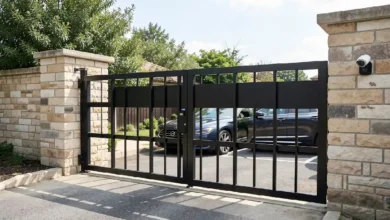
Steel entry door replacement returns 216% ROI. This $2,400 project adds $5,200 in value while improving security and curb appeal.
Manufactured stone veneer delivers 208% ROI. Adding stone accents costs around $11,000 but increases value by $23,000.
Minor kitchen remodels return 113% ROI. Update cabinets, countertops, and appliances without changing the layout. Costs average $28,000 with $31,600 added value.
Bathroom remodels offer 80% ROI. Mid-range updates cost $26,000 and recoup $21,000 at resale.
Vinyl siding replacement provides 97% ROI, turning a $19,000 investment into $18,400 in added value.
The pattern is clear: exterior improvements and kitchen/bathroom updates consistently outperform major structural changes or luxury additions.
Kitchen Upgrades That Actually Matter
Your kitchen sees heavy use every single day. Upgrades here affect both daily comfort and resale value.
Focus on these high-impact changes:
Replace worn countertops with quartz or granite. These materials resist scratches, heat, and stains while looking polished for decades.
Update appliances to energy-efficient models. Modern refrigerators, dishwashers, and ranges use 30-50% less energy than units from 10 years ago.
Refresh cabinets without full replacement. Paint existing cabinets, add new hardware, or reface doors. This costs 60% less than new cabinetry while delivering a similar visual impact.
Install a tile backsplash to protect walls and add character. This DIY-friendly project costs $800-2,000 and transforms the kitchen’s appearance.
Improve lighting with under-cabinet LED strips and pendant lights over islands. Better lighting makes cooking safer and the space more inviting.
Keep the existing layout unless it truly doesn’t work. Moving plumbing and gas lines eats budget fast while adding little functional value.
Bathroom Renovations Worth The Investment
Bathrooms rank second only to kitchens for renovation impact. Buyers scrutinize these spaces closely.
Start with these upgrades:
Install a new vanity with built-in storage. Double sinks appeal to couples, while extra drawers solve clutter problems.
Upgrade the shower or tub based on your needs. Walk-in showers with glass doors feel modern and accessible. Deep soaking tubs appeal to relaxation-focused homeowners.
Replace old fixtures with water-efficient models. Low-flow toilets and showerheads cut water bills by 20-40% annually.
Update flooring with moisture-resistant materials like porcelain tile or luxury vinyl. These options handle humidity better than traditional hardwood.
Add better ventilation to prevent mold and moisture damage. A quality exhaust fan protects your investment in finishes and fixtures.
Small changes make surprising differences. New cabinet hardware, a framed mirror, updated lighting, and fresh paint can transform a dated bathroom for under $1,500.
Exterior Improvements That Boost Curb Appeal
First impressions sell homes. Exterior upgrades deliver some of the highest returns because they’re the first thing potential buyers see.
Paint your front door a bold color. Navy, forest green, or charcoal gray make statements while staying classic. This $200 project takes a weekend and improves how your entire home presents.
Upgrade outdoor lighting to showcase your home’s best features. Solar path lights, wall sconces, and landscape uplighting create a welcoming ambiance while improving security.
Maintain landscaping with regular trimming, fresh mulch, and seasonal color. Well-kept yards signal that the home receives proper care.
Replace worn siding before it causes structural damage. Modern vinyl and fiber cement options resist weather, pests, and fading while requiring minimal maintenance.
Install a new mailbox and house numbers that match your home’s style. These small touches create polish that buyers notice.
Don’t overlook basic maintenance. Clean gutters, power-wash exteriors, and fix cracked walkways. Neglected maintenance signals bigger problems to buyers.
Energy-Efficient Upgrades That Pay Off
Energy efficiency cuts monthly costs while appealing to eco-conscious buyers.
Add insulation in attics, walls, and crawl spaces. Proper insulation reduces heating and cooling costs by 15-30% annually. This project pays for itself within 3-5 years.
Install a programmable thermostat to optimize temperature control. Smart thermostats learn your schedule and adjust automatically, cutting energy waste by 10-15%.
Replace old windows with double-pane, low-E glass models. Energy-efficient windows reduce heat transfer, lower utility bills, and qualify for tax credits up to $600 per window in 2025.
Upgrade to LED lighting throughout your home. LEDs use 75% less energy than incandescent bulbs and last 25 times longer.
Consider solar panels if you plan to stay long-term. Installation costs $15,000-30,000 after incentives, but monthly savings range from $100-200. The 30% federal tax credit remains available through 2032.
Energy audits identify where your home loses heat and cool air. Many utility companies offer free or discounted audits that pinpoint the most cost-effective improvements.
Smart Home Technology Worth Adding
Technology should simplify life, not complicate it. Choose smart devices that solve real problems.
Smart locks let you control access remotely and eliminate lost key worries. Popular models cost $150-300 and install in under an hour.
Video doorbells show who’s at your door from anywhere. They deter package theft and let you screen visitors without opening the door.
Smart thermostats like Nest or Ecobee optimize heating and cooling based on your schedule and preferences. They pay for themselves through reduced energy bills.
Leak detectors alert you to water problems before they cause major damage. Place sensors near water heaters, washing machines, and under sinks.
Smart smoke and carbon monoxide detectors send alerts to your phone during emergencies, even when you’re away.
Avoid over-automating. You don’t need smart everything. Focus on devices that enhance safety, security, or efficiency rather than novelty.
Living Room Updates That Create Impact
Your living room sets the tone for your entire home. Strategic updates here pay dividends in daily comfort and buyer appeal.
Create open sightlines by removing unnecessary furniture or non-structural walls. Open spaces feel larger and more inviting.
Update flooring with durable materials. Hardwood remains the gold standard, but luxury vinyl plank offers similar aesthetics at half the cost with better moisture resistance.
Add layered lighting with a mix of ambient, task, and accent sources. Floor lamps, table lamps, and recessed lighting create flexibility for different activities and moods.
Paint walls in neutral tones that appeal to wide audiences. Soft grays, warm whites, and greige (gray-beige) provide versatile backdrops that won’t limit future decor choices.
Incorporate storage solutions that hide clutter. Built-in shelving, ottomans with hidden compartments, and media consoles with closed cabinets keep spaces organized.
The goal is creating a room that feels relaxed and adaptable rather than staged or overly formal.
Bedroom Improvements For Better Rest
Bedrooms should promote relaxation and quality sleep. Upgrades here focus on comfort over flashy features.
Invest in quality window treatments that block light and reduce noise. Blackout curtains or cellular shades improve sleep quality while providing privacy.
Upgrade closet organization with custom shelving, hanging rods, and drawer systems. Better storage eliminates clutter and makes mornings less stressful.
Install ceiling fans for year-round temperature control. Fans circulate warm air in winter and create cooling breezes in summer, reducing HVAC costs.
Add bedside outlets and USB ports for convenient device charging. This small electrical upgrade costs $100-200 per room but adds daily convenience.
Choose calming paint colors like soft blues, muted greens, or warm neutrals. Bold colors can overstimulate and make relaxation harder.
Good bedroom upgrades support better sleep, which affects every aspect of health and productivity.
Outdoor Living Spaces That Extend Your Home
Outdoor areas have become essential rather than optional. They extend living space and increase property value.
Build a deck or patio for outdoor dining and relaxation. Composite decking returns 89% ROI while requiring minimal maintenance compared to wood.
Add a fire pit for year-round use. Gas or wood-burning options create gathering spots that extend outdoor season use.
Install outdoor lighting to make spaces usable after dark. String lights, post lights, and landscape lighting create ambiance while improving safety.
Create defined zones for different activities. Separate dining areas from lounging spots with furniture placement, planters, or pergolas.
Add shade structures like pergolas, awnings, or shade sails. Protection from sun and rain makes outdoor spaces usable in more weather conditions.
Keep landscaping low-maintenance with native plants, drip irrigation, and mulched beds that reduce water needs and upkeep time.
Storage Solutions That Reduce Clutter
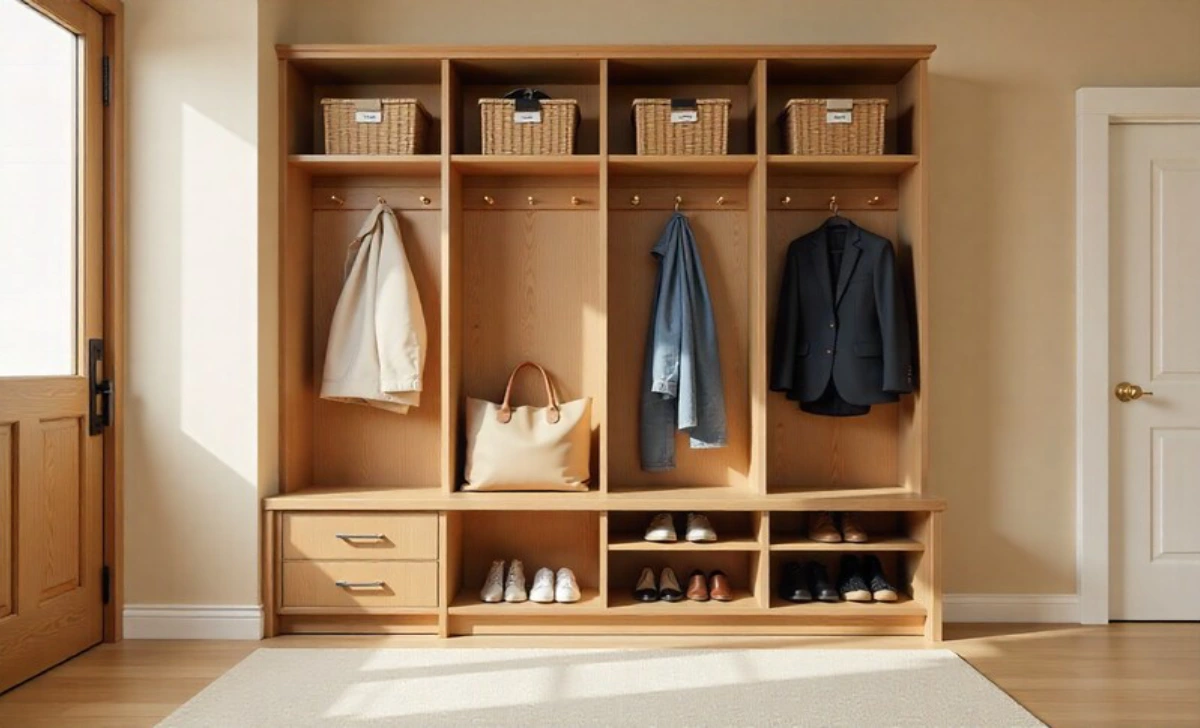
Storage ranks as the number one priority for 94% of homebuyers in 2025. Adding organized storage increases both livability and resale appeal.
Install closet systems with adjustable shelving, double hanging rods, and drawer units. Custom solutions cost $500-2,000 per closet but maximize every inch.
Add built-in shelving in living rooms, home offices, and hallways. Floor-to-ceiling units provide display and storage without taking floor space.
Use under-stair storage for items you need but don’t use daily. Pull-out drawers or cabinets turn wasted space into functional storage.
Create a mudroom organization near the entries with hooks, benches, and shoe storage. This prevents clutter from spreading throughout the home.
Install garage storage systems with wall-mounted cabinets, overhead racks, and pegboards. Organized garages create usable workspace and parking area.
Good storage should be both accessible and attractive. Visible storage works for items you use frequently, while closed storage hides occasional-use items.
Common Home Upgrade Mistakes To Avoid
Even well-planned renovations can go wrong. Watch out for these common errors:
Skipping permits saves money upfront, but creates major problems at resale. Unpermitted work can void insurance, fail inspections, and force expensive do-overs.
Over-improving for your neighborhood means you won’t recoup costs. Don’t install a $100,000 kitchen in a neighborhood where homes sell for $250,000.
Ignoring structural issues while focusing on cosmetics. Fix foundations, roofs, and systems before updating surfaces.
Choosing trendy over timeless leads to dated-looking spaces within a few years. Stick with classic styles and add personality through easily changed elements like paint and decor.
Doing too much DIY when you lack skills. Botched electrical, plumbing, or structural work costs more to fix than hiring professionals from the start.
Not getting multiple contractor quotes leaves money on the table. Compare at least three bids for major projects.
Rushing decisions to meet artificial deadlines. Hasty choices lead to regret and expensive changes mid-project.
Take time to plan, research, and make informed choices. Renovation decisions affect your home for years or decades.
Maintaining Your Upgraded Home
Renovations only pay off long-term with proper maintenance.
Clean HVAC filters monthly and schedule annual professional servicing. This extends system life and maintains efficiency.
Inspect and clean gutters twice yearly to prevent water damage to roofs, siding, and foundations.
Seal gaps and cracks around windows, doors, and foundations before they grow. Small maintenance prevents major repairs.
Touch up paint when scratches or scuffs appear. Quick touch-ups prevent needing full room repaints.
Service appliances according to the manufacturer’s schedules. Regular maintenance prevents breakdowns and extends equipment life.
Check for leaks around plumbing fixtures, water heaters, and appliances quarterly. Early detection prevents water damage.
Update smart device firmware to maintain security and functionality. Set reminders to check for updates monthly.
Refresh caulk and grout in bathrooms and kitchens when it cracks or discolor. This prevents water infiltration and mold growth.
Good maintenance protects your renovation investment and prevents small problems from becoming expensive repairs.
FAQs About Home Upgrading Advice Implementation
How much should I budget for home renovations? Follow the 30% rule: don’t spend more than 30% of your home’s current value on upgrades. Always include a 10-15% contingency fund for unexpected costs.
Which home improvements have the highest ROI in 2025? Garage door replacement (268% ROI), steel entry doors (216% ROI), manufactured stone veneer (208% ROI), and minor kitchen remodels (113% ROI) lead the pack.
Should I renovate before selling my home? Focus on high-impact, low-cost improvements like fresh paint, updated fixtures, and curb appeal enhancements. Major renovations rarely pay for themselves if you’re selling within a year.
What’s the difference between remodeling and renovating? Remodeling changes a space’s structure or function (like opening a wall or adding a bathroom). Renovating restores or refreshes existing features (like refinishing floors or repainting).
How can I finance home improvements? Options include home equity loans (7-8% rates), HELOCs (7.5-8.5% rates), personal loans (8-18% rates), or 0% credit cards for projects under $5,000. Choose based on project size and timeline.
Final Thoughts
Home upgrading advice, Mintpalment provides a roadmap for making renovation decisions that serve both your current needs and future goals.
By focusing on strategic planning, high-ROI projects, energy efficiency, and long-term value, you create spaces that improve daily life while protecting your investment.
Start with a clear assessment of what your home truly needs. Fix structural issues before cosmetic ones. Choose upgrades that solve real problems rather than following trends. Budget realistically with room for surprises. And maintain your improvements to protect their value.
The best home upgrades aren’t always the most expensive or dramatic. They’re the ones that make your home work better for how you actually live while increasing value when it’s time to sell.