Heat Pumps vs Air Conditioners: What HVAC Installers Won’t Tell You
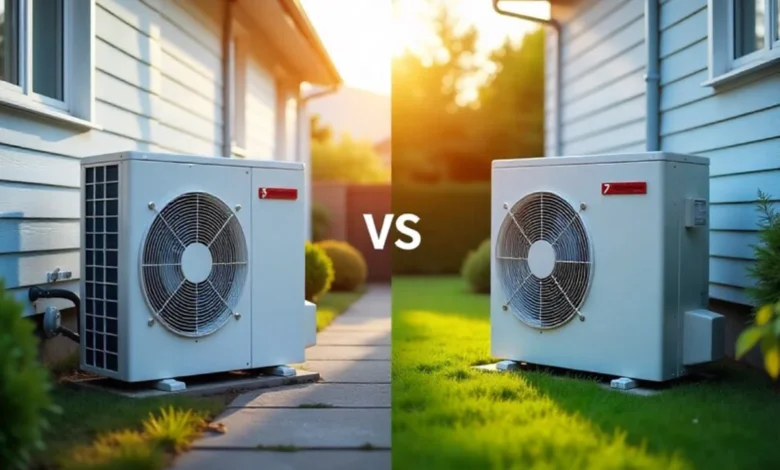
A heat pump moves heat instead of generating it, working as both a heater and air conditioner in one system. Traditional air conditioners only cool your home and require a separate furnace for winter heating. Heat pumps cost $10,000 to $25,000 installed compared to $8,000 to $10,000 for an air conditioner plus furnace combo. Your climate zone determines which system makes financial sense.
Heat pumps save 30% to 50% on energy bills in moderate climates but struggle below 25°F without backup heating. Air conditioners paired with gas furnaces provide reliable heating in extreme cold, but cost more to operate year-round. Federal tax credits up to $2,000 expired December 31, 2025, but state and utility rebates remain available in 2026.
Your Climate Zone Changes Everything
Most HVAC contractors push the same system to every customer. They rarely explain how your location affects which equipment actually saves you money.
The Department of Energy divides the country into climate zones. Zones 1 through 4 cover mild to moderate climates where heat pumps deliver maximum efficiency. Zones 5 through 8 include colder regions where traditional heating systems historically dominated.
Modern cold-climate heat pumps changed this calculation. These units maintain 70% heating capacity at 0°F and can operate down to negative 15°F in some models. You no longer need brutal winters to justify choosing an air conditioner over a heat pump.
Your winter design temperature matters more than your zone number. Miami rarely drops below 40°F. Minneapolis regularly hits negative 10°F. The same heat pump performs differently in these locations, even if installed by the same contractor.
Heat pumps work best when outdoor temperatures stay above 30°F most of the winter. Air conditioners with gas furnaces make more sense when you face weeks of subzero weather each year.
How the Systems Actually Work
Heat pumps transfer heat rather than create it. The outdoor unit extracts heat from outside air and moves it indoors during winter. In summer, the process reverses to cool your home like a standard air conditioner.
A component called the reversing valve switches the refrigerant flow direction. This single part lets one machine handle both heating and cooling. Air conditioners lack this valve and can only remove heat from your home.
Traditional central air requires a separate furnace for heating. You end up maintaining two systems instead of one. The furnace burns natural gas, propane, or oil to generate heat. The air conditioner uses electricity to remove heat during the summer months.
Heat pumps move up to 300% more energy than they consume. This efficiency advantage disappears as outdoor temperatures drop. At 20°F, most standard heat pumps produce only 60% of their rated heating capacity.
Cold climate heat pumps use variable speed compressors that adjust output based on demand. These systems maintain higher capacity in extreme cold compared to single-speed models from a decade ago.
The Real Cost Breakdown for 2026
Installation prices vary significantly by region and home size. Air source heat pumps cost $10,000 to $25,000 installed for typical residential systems. A comparable air conditioner plus gas furnace runs $8,000 to $15,000 total.
Your existing infrastructure affects the final price. Homes with ductwork in good condition cost less to upgrade. Adding new ducts or major electrical work pushes costs toward the high end of these ranges.
Heat pump equipment alone runs $3,000 to $15,000, depending on efficiency and brand. Installation labor adds $2,000 to $10,000 based on complexity. Cold climate models cost 15% to 30% more than standard heat pumps.
Dual fuel systems combine a heat pump with a gas furnace for backup heating. These setups cost $12,000 to $18,000 installed. The thermostat automatically switches between systems based on outdoor temperature and fuel costs.
Operating costs matter more than purchase price over a 15 year lifespan. Heat pumps use 50% less electricity than electric resistance heating in moderate climates. Gas furnaces cost less to run than heat pumps when natural gas prices stay low and temperatures drop below freezing for extended periods.
Massachusetts homeowners report 30% heating cost reductions after switching from oil heat to cold climate heat pumps. Texas residents see minimal savings because mild winters mean furnaces rarely run anyway.
Efficiency Ratings You Need to Understand
SEER2 measures cooling efficiency across an entire season. The rating shows total heat removed divided by total energy consumed. Higher numbers mean lower electric bills for air conditioning.
Minimum SEER2 requirements changed in 2023. Northern states require 13.4 SEER2 for air conditioners. Southern and southwestern regions mandate 14.3 SEER2. Heat pumps must meet 14.3 SEER2 nationwide.
HSPF2 rates heating efficiency for heat pumps only. The calculation divides seasonal heat output by electricity input. Federal minimum standards require 7.5 HSPF2 for split system heat pumps.
A 16 SEER2 unit costs roughly $500 annually to cool a 2,000 square foot home in moderate climates. Upgrading to 21 SEER2 drops the cost to $380 per year. The $120 annual savings takes years to recover premium equipment costs.
Cold climate heat pumps need HSPF2 ratings of 10 or higher to qualify for Energy Star certification. Standard models rarely exceed 8.5 HSPF2. This difference translates to 15% to 20% lower heating bills in freezing weather.
EER2 measures efficiency at 95°F outdoor temperature. This rating matters in desert climates where air conditioners run constantly during peak heat. Minimum EER2 requirements range from 11.0 to 12.2, depending on your region.
What Contractors Skip About Dual Fuel Systems
The heat pump handles temperatures above 35°F in most dual-fuel setups. Below that threshold, the gas furnace takes over primary heating duties. You get electric efficiency when possible and fossil fuel reliability when needed.
Smart thermostats manage the switchover automatically. The system calculates which heat source costs less based on current energy prices and outdoor temperature. You never manually choose between systems.
Dual fuel makes sense in climate zones 5 and 6, where winter temperatures fluctuate. You avoid oversizing either the heat pump or furnace. The combination handles peak heating loads without paying for excess capacity.
Installation requires compatible equipment. Older furnaces often lack the controls needed to integrate with modern heat pumps. Expect to replace both systems if your furnace predates 2015.
Natural gas costs affect the payback period dramatically. Areas with cheap gas and expensive electricity see faster returns on dual fuel investment. All electric heat pumps win in regions with low electricity rates or poor gas infrastructure.
Propane dual fuel systems rarely make financial sense. Propane costs two to three times more than natural gas in most markets. The backup heating runs too expensive compared to all-electric systems with resistance heat strips.
Tax Credits and Rebates Still Available
Federal Section 25C tax credits expired on December 31, 2025, after Congress passed the One Big Beautiful Bill Act. Homeowners who installed qualifying heat pumps before that deadline can claim up to $2,000 on their 2025 tax returns.
The equipment must meet ENERGY STAR Most Efficient certification. Split system heat pumps need 15.2 SEER2 and 8.1 HSPF2 minimum. Ductless units require 16 SEER2 or higher. You need the manufacturer’s Product Identification Number when filing.
State and utility rebates continue in 2026. Mass Save in Massachusetts offers up to $9,000 for whole-home heat pump installations. California provides $1,500 through TECH Clean California, plus additional income-qualified rebates.
Many utilities run demand response programs. You receive bill credits for allowing temporary thermostat adjustments during peak electricity demand. These ongoing incentives offset operating costs over the system’s lifespan.
Manufacturer promotions change seasonally. Contractors offer better deals during slow periods in spring and fall. Equipment costs can drop 10% to 15% compared to peak summer and winter pricing.
Your installer should handle rebate paperwork at the time of installation. Waiting to file reduces approval rates. Some programs operate on first come first served funding that runs out before the year’s end.
The Maintenance Reality Nobody Mentions
Heat pumps need professional service twice per year. Spring checkups prepare the cooling system. Fall inspections ensure heating components work before winter. Air conditioners require only annual cooling season maintenance.
Filter changes matter more with heat pumps because the system runs year-round. Replace or clean filters every 30 to 60 days. Clogged filters reduce efficiency by 15% and strain the compressor.
Outdoor units need clear space for airflow. Keep debris, leaves, and snow away from the cabinet. Ice buildup signals problems with the defrost cycle. Heat pumps in northern climates should have elevated stands to prevent snow blockage.
Refrigerant leaks cost $200 to $1,500 to repair, depending on the leak location. Heat pumps use the same refrigerant as air conditioners. Both systems lose efficiency before you notice cooling problems.
Heat pump lifespan averages 15 years with proper maintenance. Air conditioners last 15 to 20 years. Gas furnaces run 20 to 25 years. Dual fuel systems require maintaining two pieces of equipment, but the furnace rarely runs in moderate climates.
Compressor replacement costs $1,500 to $3,000. This repair usually happens after year 10. At that point, you face deciding between expensive repair and full system replacement with newer technology.
Making the Right Choice for Your Home
Start with a Manual J load calculation from a qualified contractor. This analysis determines your actual heating and cooling needs based on insulation, windows, and climate. Oversized equipment costs more and performs worse.
Get quotes from three contractors minimum. Prices vary 20% to 40% for identical equipment. Ask about their experience with heat pumps specifically. Many installers still push traditional systems they know better.
Review your utility bills from the past two years. Calculate how much you spend on heating versus cooling. Homes with high cooling costs and mild winters benefit most from heat pumps.
Consider your long-term plans. Heat pumps make less sense if you plan to sell within five years. The payback period extends beyond that timeframe in most climates. New homeowners often prefer familiar gas systems anyway.
Natural gas availability matters more than most people realize. If you lack gas service and face $5,000 to $15,000 to extend lines to your home, all-electric heat pumps become the obvious choice.
Check your electrical panel capacity. Heat pumps typically need 30 to 60 amp circuits. Homes built before 1990 often require panel upgrades, adding $1,500 to $3,000 to project costs.
Your climate zone determines the winner. Zones 1 through 4 favor heat pumps for efficiency and simplicity. Zones 5 and 6 work well with cold climate heat pumps or dual fuel setups. Zones 7 and 8 still lean toward traditional gas heat with air conditioning.
The right system for your neighbor might be wrong for your home. Local energy costs, home construction, and personal preferences all factor into the decision more than generic advice from any contractor.