Hallway Lighting Ideas That Actually Work in 2026
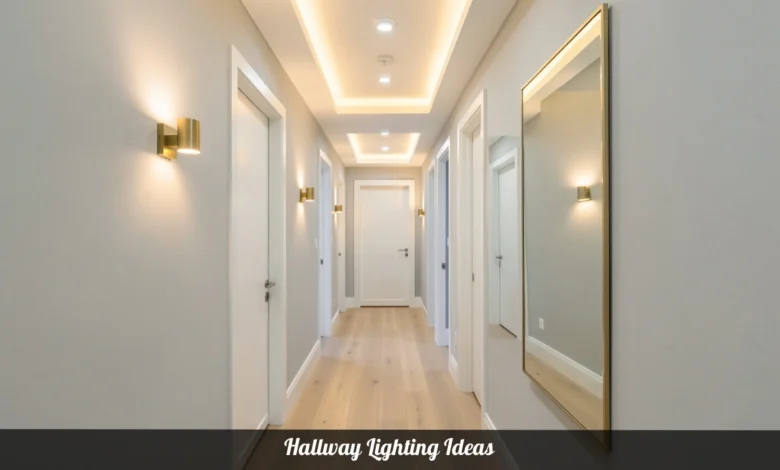
The best hallway lighting ideas combine layered light sources: overhead fixtures for general brightness, wall sconces for warmth, and accent lighting for style. Match your fixture type to ceiling height and hallway width. Use LED bulbs in the 2700K to 3000K range for a welcoming feel. Add dimmers or motion sensors for convenience and energy savings.
Your hallway is the first thing guests see when they walk through your door. It is also the last thing you see before you leave. Despite that, most people treat it like an afterthought, slap a single overhead bulb in place, and move on.
That is a missed opportunity. The right hallway lighting ideas can make a narrow space feel bigger, a dark corridor feel warm, and a plain passage feel intentional. This guide walks you through every fixture type, sizing rule, and layout tip you need to get it right.
Why Hallway Lighting Matters More Than You Think
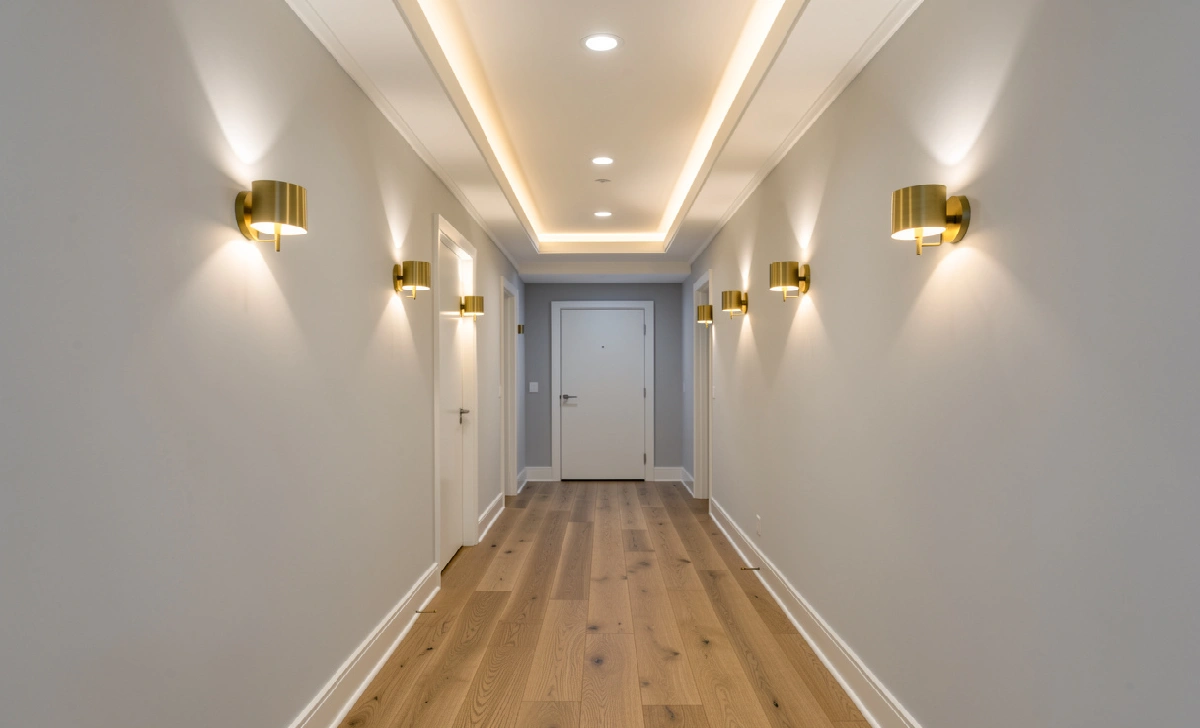
Hallways do two jobs at once: they guide you safely from room to room, and they set the tone for your home’s overall feel. Poor lighting undermines both.
A single overhead fixture often creates flat, uneven light. It leaves corners dark and makes the space feel uninviting. The fix is not always a bigger bulb; it is a smarter approach to how and where you place light.
Good hallway lighting also affects how spacious your home feels. Light bounced off walls visually widens a narrow passage. Strategic fixture placement draws the eye down the length of a corridor, making it feel longer and more considered.
The 5 Best Hallway Lighting Ideas by Fixture Type
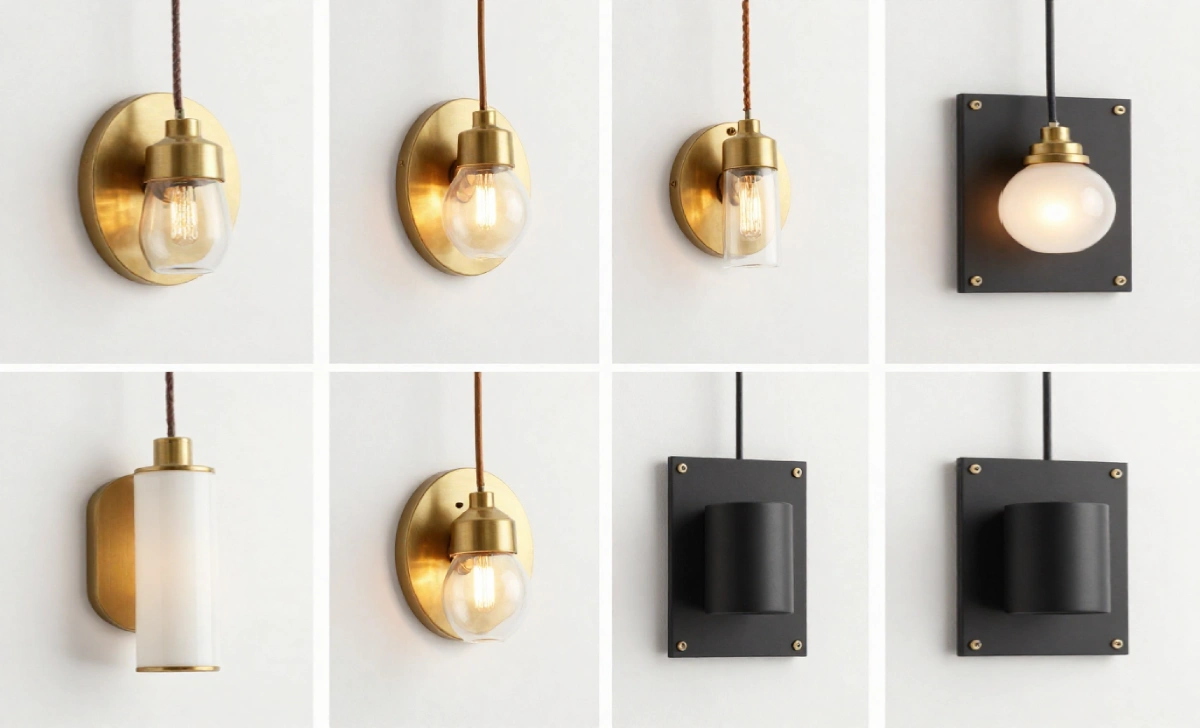
Choosing the right fixture starts with knowing what each type does well. Here is a breakdown of the most common options.
Recessed lighting works best in narrow hallways or spaces with low ceilings. The fixtures sit flush with the ceiling, so they do not eat up visual headroom. Space recessed lights 6 to 8 feet apart for sufficient coverage in long hallways. For very short hallways under 8 feet, one or two fixtures are usually enough.
Flush-mount lights are similar to recessed lights in that they sit tight against the ceiling. They work well in hallways with ceilings under 8 feet and come in a wide range of styles, from minimalist discs to decorative ceramic shades.
Wall sconces are ideal for narrow spaces where ceiling fixtures feel too bulky. Position wall sconces 60 to 66 inches off the floor for the best illumination. They add warmth and depth that overhead lights cannot achieve on their own. Pair them with a mirror for extra visual impact.
Pendant lights work well in hallways with higher ceilings, typically 9 feet or more. In long corridors, two or three evenly spaced pendant lights create a dramatic, purposeful look. Glass shades keep the space feeling open rather than cluttered.
Semi-flush mount lights sit a few inches below the ceiling. They offer a bit more visual presence than a flush mount while still being practical in spaces with moderate ceiling heights.
How to Layer Hallway Lighting Correctly
One fixture is rarely enough. Layered lighting creates depth, covers dark spots, and gives you control over the mood.
Start with ambient light, your main source of general brightness. This is usually a ceiling fixture, whether recessed, flush, or pendant. From there, add secondary sources to fill in shadows and add character.
The most effective hallway lighting techniques center around layered approaches: start with general overhead lighting and then add wall sconces, picture lights, or floor-level uplights to create depth and functionality.
LED strip lighting is a good third-layer option. Mount strips under crown molding, along baseboards, or inside ceiling coves for a soft, continuous glow. Use warm white LEDs for a cozy feel or tunable LEDs if you want color flexibility.
A simple three-layer setup for most hallways:
- Overhead fixture for general brightness (recessed or flush mount)
- Wall sconces at mid-height for warmth and fill light
- LED strips or step lights at floor level for safety and ambiance
Choosing the Right Fixture for Your Hallway Size
Size matters a lot with hallway lighting. The wrong fixture in the wrong space looks awkward and performs poorly.
For narrow hallways under 4 feet wide, stick to recessed lights or slim wall sconces. Avoid pendants or chandeliers; they will visually crowd the passage. If you do add sconces, choose ones that project outward by 6 inches or less.
As a general guideline, the diameter of a light fixture should be approximately one-third the width of the entryway or hallway. This keeps proportions balanced without the fixture dominating the space.
For wide hallways or foyers over 6 feet wide, you have more options. A small chandelier, a statement pendant, or a pair of sconces flanking a console table all work well. If you want a focal point, this is where to put one.
Ceiling height is equally important. Pendant lights need at least 7 feet of clearance below the fixture for safety. In spaces with 8-foot ceilings, flush or semi-flush mounts are your safest bet.
Hallway Lighting Ideas for Narrow, Dark Spaces
Narrow and dark hallways are the most common challenge homeowners face. The good news is that a few targeted choices make a significant difference.
Light-colored walls reflect more light and visually push walls apart. Pair them with recessed ceiling lights, and you will notice an immediate improvement. If painting is not an option, mirrors do a similar job. Mirrors reflect light and create a sense of space; team them with wall sconces for a well-lit and more open feel.
Wall-wash recessed lighting, where fixtures are aimed to cast light evenly across walls, adds visual width and depth while enhancing wall textures and colors. This is one of the most underused techniques in residential hallways.
Avoid fixtures with dark or opaque shades in small spaces. Frosted glass or open designs spread light more evenly. Always use LED bulbs in the 2700K to 3000K color temperature range. This range produces a warm white light that feels welcoming rather than clinical.
Smart Lighting and Dimmers for Hallways
Convenience and energy savings are two strong reasons to add smart features to your hallway lighting.
Motion-activated hallway lighting provides safety benefits while conserving energy, automatically illuminating paths when needed. Dimmable LED options let you adjust brightness for different times of day, from gentle nighttime navigation to bright daytime illumination.
Dimmers are especially useful in hallways that connect to bedrooms. Being able to lower the brightness at night prevents the shock of stepping into a brightly lit corridor from a dark room.
Voice-activated or app-controlled systems go a step further. You can schedule lights to turn on before you arrive home or set them to dim automatically at a certain hour. These systems have dropped in price over the past few years and are now accessible for most budgets.
2026 Trends in Hallway Lighting
A few clear trends are shaping hallway lighting choices right now.
Mixed metals are popular. Brass combined with matte black, or chrome mixed with warm bronze, creates an intentional, layered look without feeling mismatched. The key is keeping to two metals maximum per space.
Geometric pendant lights and asymmetrical statement fixtures are leading in modern design, with multiple smaller pendants often working better than a single large fixture in long corridors.
Artisanal and handcrafted fixtures are also gaining ground. Blown glass pendants and intricately designed metal chandeliers are being used as focal points in entryways and hallways to create a welcoming atmosphere with a personal touch.
Rattan, woven materials, and natural wood finishes are strong in transitional and organic-modern interiors. They add texture without overwhelming a small space.
How to Choose the Right Bulb for Your Hallway
The fixture gets most of the attention, but the bulb determines how the space actually feels.
For color temperature, stay between 2700K and 3000K for hallways. This range reads as warm white, which feels cozy and welcoming. Anything above 4000K pushes into cool or daylight territory, which tends to feel harsh in a corridor.
For brightness, most hallways need between 50 and 100 lumens per square foot. A 10-by-4-foot hallway (40 square feet) would need roughly 2,000 to 4,000 total lumens across all fixtures. Divide that across your planned fixtures to determine how bright each one should be.
LED bulbs are the right choice for every fixture type. They use significantly less energy than incandescent bulbs, last far longer, and come in every shape and color temperature you need.
FAQs
What type of lighting is best for a hallway?
The best hallway lighting uses a layered approach: a ceiling fixture for ambient light, wall sconces for warmth and fill, and accent lights (LED strips or step lights) for depth. The right fixture type depends on your ceiling height and hallway width.
How bright should hallway lighting be?
Aim for 50 to 100 lumens per square foot. A small hallway around 40 square feet needs roughly 2,000 to 4,000 total lumens. Use dimmers to adjust brightness for different times of day.
What color temperature is best for hallway lights?
Choose bulbs between 2700K and 3000K for a warm, welcoming feel. Cooler temperatures above 4000K tend to feel too harsh for transitional spaces like hallways.
How do I make a narrow hallway look bigger with lighting?
Use recessed ceiling lights spaced evenly, add wall-wash lighting aimed at the walls, and place a mirror opposite a sconce. Light-colored walls and frosted glass fixtures also help.
Should I use smart lighting in my hallway?
Yes, especially if the hallway connects bedrooms or a main entrance. Motion sensors and dimmers offer convenience and help save energy without any extra effort on your part.