Gessolini: Italian Craft Tradition Meets Modern Design
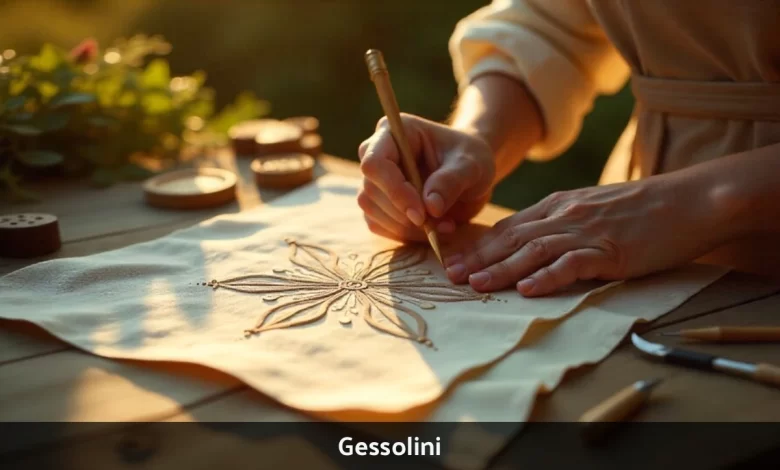
What is Gessolini? Gessolini represents both a specialized Italian tailoring tradition rooted in Renaissance craftsmanship and a versatile art medium derived from gesso. This centuries-old technique combines chalk-based patterning, ornamental stitching, and natural materials to create functional works of art. Whether applied to fashion, interior design, or fine art, Gessolini bridges historical artisan methods with contemporary aesthetic needs.
Gessolini originated in central Italy, particularly Tuscany and Emilia-Romagna, where skilled artisans developed unique preparation and application methods. The term comes from the Italian diminutive “gessolino,” meaning “little chalk,” referencing the material’s primary component and the hand-drawn patterns that define its visual identity.
Origins Traced to the Italian Renaissance
The roots of Gessolini stretch back to the 15th century, when guild-based tailors in Florence and Bologna began sketching patterns directly onto fabric using chalk. What started as practical drafting quickly transformed into an expressive art form.
During the Renaissance period, master artists like Leonardo da Vinci and Michelangelo used gesso-based preparations for panel paintings and frescoes. These early applications set the foundation for what would become the refined Gessolini technique. Italian craftspeople layered these preparations with gold leaf and fine pigments, creating surfaces that could withstand centuries.
The 18th century saw Gessolini expand beyond religious and military applications into decorative civilian tailoring. Artisans began celebrating visible seams and ornamental details rather than hiding construction methods. This shift marked a significant aesthetic evolution.
By the 19th century, trade routes carried Gessolini techniques throughout France, Spain, and North Africa. However, industrialization in the 20th century nearly eliminated these handcrafted methods. Mass production replaced artisan workshops, pushing Gessolini to the margins.
The 21st century brought renewed interest. Slow fashion movements and sustainability concerns sparked a revival among designers seeking authentic, story-driven garments and art pieces.
What Makes Gessolini Different from Other Techniques
Gessolini stands apart through several signature characteristics that define its aesthetic and functional properties.
The chalk draftwork method creates unique, unrepeatable patterns. Unlike industrial templates, each piece starts with freehand drawings directly on fabric or surface material. This process ensures no two items are identical.
Ornamental seaming turns structural necessity into a visual celebration. Where modern manufacturing hides seams and construction details, Gessolini showcases them with embroidered accents or dyed thread. These visible elements become part of the overall design.
Layered fabric construction adds tactile depth and visual interest. Multiple panels combine to create a structure without relying solely on heavy materials. This technique produces garments and art pieces that feel substantial yet remain lightweight.
Symbolic stitching often encodes personal or cultural narratives. Spirals, geometric patterns, and wave motifs appear throughout Gessolini’s work, carrying meaning beyond mere decoration. These elements connect wearers or viewers to broader traditions.
The composition itself deserves attention. Traditional Gessolini medium combines calcium carbonate (chalk), marble dust, and animal glue or acrylic binders. Natural or synthetic pigments add color while maintaining the material’s characteristic texture.
From Tailoring Tradition to Art Medium
Gessolini functions across multiple creative disciplines, adapting to contemporary needs while preserving core techniques.
In fashion, Gessolini-influenced designers create garments where chalk markings remain visible as design elements. These pieces resist fast fashion trends by emphasizing craftsmanship over disposability. Structured jackets, ceremonial coats, and layered outerwear showcase the technique most effectively.
Fine artists use Gessolini as a painting surface that offers superior tooth and texture compared to standard gesso. The slightly gritty finish accepts detailed brushwork while adding dimensional quality to finished pieces. Contemporary painters often choose Gessolini for mixed media work, combining traditional oil techniques with modern materials.
Interior designers incorporate Gessolini in wall treatments, decorative panels, and sculptural elements. The material’s moldable nature allows for custom shapes while its durability ensures longevity. Layered curtains, chalk-outlined upholstery, and embroidered wall hangings all draw from Gessolini principles.
Film and costume departments recreate Gessolini’s techniques for period dramas requiring authentic historical detail. The material’s visual signature helps establish time and place while supporting narrative themes.
The Artisan Process Behind Each Piece
Creating authentic Gessolini work demands patience, skill, and attention to traditional methods.
Surface preparation begins the process. For textiles, fabric must be stretched and stabilized. For art panels, wood or canvas requires sanding and priming. This foundation determines the final piece’s durability.
Mixing the medium comes next. Chalk or marble dust combines with water to form a fine powder base. Animal glue or acrylic binder joins the mix in carefully measured proportions. Natural pigments add color without compromising texture.
Application happens in thin, deliberate layers. Artisans use brushes, palette knives, or spatulas depending on desired effects. Each layer must dry completely before the next application. This patient approach builds depth and prevents cracking.
Chalk drafting marks guide construction. For tailoring, patterns are drawn freehand onto prepared fabric. For painting surfaces, artists sketch composition elements directly into wet Gessolini. These lines may remain visible or disappear beneath subsequent layers.
Finishing techniques vary by application. Sanding creates smoother surfaces while burnishing enhances natural luster. Embroidery, painting, or additional surface treatments complete the transformation from raw material to finished work.
Quality control involves inspecting every seam, layer, and detail. Traditional artisans spend years perfecting these skills through apprenticeship programs that pass knowledge across generations.
Why Gessolini Matters for Sustainable Design
Environmental concerns make Gessolini increasingly relevant for conscious creators and consumers.
Natural composition reduces ecological impact. Chalk, marble dust, and organic pigments break down naturally without releasing harmful chemicals. This biodegradability contrasts sharply with synthetic alternatives that persist in landfills.
Local sourcing minimizes carbon footprints. Italian artisans traditionally gather materials from regional quarries and suppliers, avoiding long-distance shipping. This practice supports local economies while reducing transportation emissions.
Durability extends product lifespan. Properly crafted Gessolini items last decades, even generations. Garments withstand repeated wear and cleaning. Art pieces resist fading and degradation. This longevity directly challenges the disposable consumer culture.
Repair-friendly design supports circular economy principles. Modular construction allows panels or sections to be replaced without discarding entire pieces. Traditional joining methods can be undone and reconstructed, enabling alterations as needs change.
Ethical labor practices accompany Gessolini production. Small-scale workshops prioritize fair wages and safe conditions. The time-intensive nature of handcraft ensures artisans receive appropriate compensation for their skill and effort.
Comparing Italian Craft to Global Traditions
Gessolini shares philosophical ground with other handicraft traditions while maintaining distinct characteristics.
Japanese Sashiko uses indigo stitching to reinforce and repair textiles, turning utility into beauty. Both Gessolini and Sashiko celebrate visible mending and construction, though their aesthetic vocabularies differ significantly.
Indian and Bangladeshi Kantha embroidery creates layered textiles through running stitch techniques. Like Gessolini, Kantha preserves heritage through repeated, meditative handwork that builds meaning with each pass of the needle.
English Broderie Anglaise features eyelet embroidery, creating delicate, lace-like effects. While more minimalist than Gessolini’s textured approach, both prioritize ornamentation as integral to function.
Japanese Boro patchwork mends worn textiles by layering scraps into new compositions. This practical aesthetic aligns with Gessolini’s emphasis on visible construction and material respect.
Each tradition honors handmade craft over industrial production. All demonstrate how utility and artistry can merge into objects that transcend their practical purposes.
Modern Applications in Fashion and Design
Contemporary creators adapt Gessolini’s techniques for current contexts while respecting traditional foundations.
Slow fashion designers incorporate chalk markings as intentional design elements. These visible traces of the creation process tell stories about garment construction. Consumers increasingly value this transparency, seeking alternatives to mass-produced clothing.
Couture houses blend Gessolini layering with contemporary silhouettes. Structured panels add visual interest to minimalist designs. The contrast between ancient technique and modern form creates pieces that feel both timeless and current.
Textile artists use Gessolini principles to explore identity, gender, and cultural memory. Installation works may combine traditional materials with digital projections or interactive elements. This fusion respects heritage while pushing boundaries.
Home goods manufacturers apply Gessolini aesthetics to furniture, lighting, and decorative objects. Chalk-outlined upholstery, layered lamp shades, and sculptural wall pieces bring artisan qualities into everyday spaces.
Sustainable architecture incorporates Gessolini-inspired finishes for interior surfaces. Natural compositions align with green building standards while providing a unique visual character that distinguishes spaces.
Challenges Facing Traditional Artisans
Despite renewed interest, Gessolini craftspeople face significant obstacles in maintaining their practices.
Economic pressure from mass production makes handcrafted items seem expensive by comparison. Consumers accustomed to fast fashion prices often balk at the true cost of skilled labor and quality materials.
Knowledge transfer depends on apprenticeship systems that require years of training. Young people increasingly pursue careers offering quicker returns, leaving fewer candidates to learn traditional methods.
Material availability changes as suppliers consolidate or disappear. Specific qualities of chalk, marble dust, and natural pigments require sourcing from specialized providers who may not survive market pressures.
Market awareness remains limited. Many potential customers have never heard of Gessolini, making it difficult for artisans to reach interested buyers without significant marketing investment.
Certification and authentication challenges arise as interest grows. Without clear standards, inferior reproductions may mislead consumers while undermining legitimate craftspeople.
Learning Gessolini: Resources for Beginners
Those interested in exploring Gessolini’s techniques can access various educational pathways.
Regional Italian cooperatives offer hands-on workshops led by master artisans. These immersive experiences provide direct exposure to traditional methods in their original context. Duration ranges from weekend intensives to multi-week programs.
Fashion schools in Milan, Paris, and Florence now include Gessolini modules in their curricula. Students learn historical context alongside practical application, preparing them to incorporate these techniques into contemporary work.
Online courses make basic instruction accessible globally. While lacking the tactile feedback of in-person training, digital platforms enable preliminary exploration before committing to intensive study.
Apprenticeships with established artisans provide the deepest education. These relationships typically span years as knowledge passes directly from expert to novice through daily practice and observation.
Archived materials offer a historical perspective. Digitized patterns, chalk drafts, and tailoring notes preserved in museum collections help practitioners understand technique evolution and regional variations.
Essential supplies for beginners include quality chalk or marble dust, appropriate binders, pigments, basic application tools, and suitable surfaces. Starting with small practice pieces allows skill development without major investment.
Digital Platforms Preserve Ancient Techniques
Technology paradoxically helps maintain traditions developed centuries before modern media existed.
Instagram and TikTok showcase artisan processes through short videos. Followers watch chalk patterns emerge, stitches accumulate, and surfaces transform. This transparency demystifies craft while building appreciation for skill and time investment.
Digital marketplaces connect artisans with global customers. Small workshops that once relied on local clientele now ship worldwide. This expanded reach provides economic sustainability that supports continued production.
Hashtags like GessoliniRevival create virtual communities. Practitioners share techniques, troubleshoot challenges, and celebrate successes across continents. These connections reduce isolation and foster knowledge exchange.
Crowdfunding platforms enable artisans to finance new projects without traditional investors. Supporters back specific pieces or production runs, creating direct relationships between makers and consumers.
Virtual exhibitions display Gessolini’s work to audiences who might never visit physical galleries. Digital documentation preserves pieces while making them accessible for study and inspiration.
Final Thoughts
Gessolini represents more than aesthetic choice. It embodies values increasingly relevant in our throwaway culture: patience, skill, sustainability, and connection to heritage.
The revival of interest in Gessolini techniques reflects broader shifts in consumer consciousness. People seek objects with stories, made by hands they can imagine, using methods they can understand. This desire for authenticity pushes back against algorithmic sameness and planned obsolescence.
For creators, Gessolini offers a path to distinctive work grounded in proven methods. The techniques challenge and reward in equal measure, demanding dedication while enabling unique expression.
For consumers, choosing Gessolini means investing in pieces designed to last. These objects age gracefully, developing patina and character rather than simply wearing out.
The future of Gessolini depends on continued knowledge transfer, economic sustainability for artisans, and market awareness among potential buyers. Digital tools can support these needs without compromising the analog essence of the craft itself.