Gardenweb Kitchen Table: Your Complete 2025 Guide
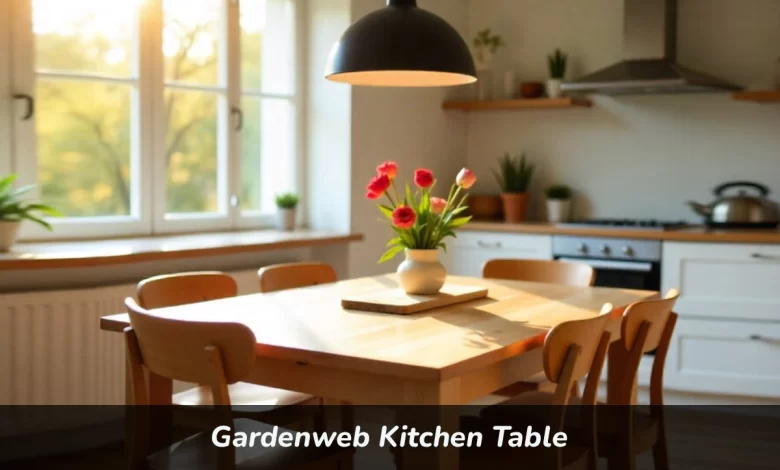
Gardenweb Kitchen Table refers to both a popular online forum community and the dining table discussions hosted there. GardenWeb started as a home and garden platform where people share advice on choosing, styling, and maintaining kitchen tables. The forum covers everything from shape selection and material choices to space planning and design trends.
Have you spent hours scrolling through kitchen table options online, only to feel more confused than when you started? You’re wrestling with questions about size, shape, materials, and whether that farmhouse table will actually fit your modern kitchen. The dining table market reached $8.68 billion in 2025 and will grow to $13.71 billion by 2032, which means you’ll wade through thousands of options before finding the right one.
This guide cuts through the noise. You’ll learn how to choose the right kitchen table for your space, which materials last longest, and how to style your table for maximum impact. Whether you need advice for a cramped apartment or a spacious dining room, the insights from GardenWeb’s community and professional designers will help you make a confident decision.
What Is the GardenWeb Kitchen Table Community
GardenWeb started as an online hub for home and garden enthusiasts. The Kitchen Table forum became one of its most active spaces where members discuss everything from furniture selection to home design challenges. Members share photos, ask questions, and offer advice based on real experiences.
The community values practical solutions over trendy recommendations. You’ll find discussions about table durability after years of use, honest reviews of different wood finishes, and space-planning advice for awkward layouts. The forum attracts homeowners, renters, and design professionals who want genuine feedback rather than sales pitches.
GardenWeb eventually merged with Houzz, but the Kitchen Table discussions continue. The community maintains its reputation for straightforward advice and helpful problem-solving. Members discuss topics ranging from specific product recommendations to broader design principles.
Choosing the Right Shape for Your Kitchen Table
Your room dimensions should drive your shape decision. Round tables work best in square rooms or small spaces where you need flexibility. They create an inclusive atmosphere since no one sits at a distant end. You can typically fit a round table in tight corners without blocking traffic flow.
Rectangular tables suit narrow or long rooms. They provide maximum seating capacity and work well when pushed against walls. You can place multiple rectangular tables end-to-end for large gatherings. This shape offers the most surface area for serving dishes and centerpieces.
Measure your space before shopping. Leave at least 36 inches between the table edge and walls or other furniture. This clearance allows chairs to slide out comfortably and gives people room to walk behind seated guests. Each chair adds roughly 20 centimeters to the table’s perimeter when pushed in.
Square tables fit perfectly in compact kitchens or breakfast nooks. They create intimate dining experiences for four people or fewer. Square shapes maximize corner usage but limit your ability to add extra guests.
Oval tables combine the benefits of round and rectangular shapes. They offer more surface area than round tables while maintaining the inclusive feel. Oval tables fit better in rectangular rooms than pure circles.
Materials That Stand the Test of Time
Solid hardwood remains the most durable choice for kitchen tables. Oak, maple, and walnut resist daily wear while developing character over time. According to BoConcept’s 2026 dining table guide, solid wood provides years of service when properly maintained.
Each wood type offers distinct advantages. Oak shows prominent grain patterns and handles moisture well. Maple delivers a smooth, fine-grained surface perfect for modern aesthetics. Walnut brings rich, dark tones that deepen with age.
Ceramic surfaces resist heat and scratches better than most materials. You can place hot dishes directly on ceramic without damage. The material requires minimal maintenance and comes in various colors and patterns.
Tempered glass creates an airy, modern look while offering strength and scratch resistance. The transparent surface makes small rooms feel larger. Regular glass cleaners keep the surface spotless, though you’ll see fingerprints and smudges more easily than on wood.
Avoid thick veneer unless you verify it’s genuine wood. Thick veneer can peel over time, especially in humid environments. Thin, high-quality veneer performs better and costs less than solid wood while delivering similar aesthetics.
Reclaimed wood has grown popular for eco-conscious buyers. The material adds character through its weathered appearance and reduces environmental impact. Each piece tells a unique story through its imperfections and patina.
Sizing Your Table for Daily Life and Gatherings
Start by measuring your available space accurately. Subtract 72 inches from your room length and width to ensure proper clearance. This calculation accounts for the table itself plus walking space around it.
A family of four needs a table at least 36 inches square or 48 inches in diameter. Add 12 inches of table length for each additional regular diner. If you host large gatherings frequently, consider an extendable table rather than buying an oversized table for daily use.
The dining table market research from Fortune Business Insights shows consumers increasingly want multi-functional tables. People use their kitchen tables for homework, remote work, and crafting projects beyond just meals. Consider how you’ll actually use the space when selecting size.
Think about your household’s growth trajectory. Young families might need room for high chairs now and extra seating as children age. Empty nesters might prefer downsizing to a more intimate table.
Test the scale before buying. Place painter’s tape on your floor, marking the table’s dimensions. Live with these markers for a few days to see if the size feels right. This simple trick prevents expensive sizing mistakes.
Extension Options for Flexible Seating
Extension leaves transform compact daily tables into spacious entertaining spaces. Drop-leaf tables fold down to save space when not hosting guests. You can push them against walls for even more floor space.
Butterfly leaf systems hide extra leaves inside the table itself. You pull the table ends apart, and the leaf rises automatically. This design eliminates the need to store leaves separately and makes setup faster.
Traditional removable leaves offer maximum flexibility. You can add multiple leaves for very large gatherings. Store them in a closet or under a bed when not needed. The main drawback is finding storage space and handling the leaves during setup.
Self-storing leaves slide under the main table surface. They’re easier to access than separate leaves, but they typically limit you to one or two extensions. This design works well for people who extend their table monthly rather than weekly.
Consider how often you’ll actually use extensions. According to Global Sources research, casual dining table shipments grew 2.4% annually through 2025 as consumers sought flexible options. If you host large groups quarterly or less, a smaller fixed table plus folding chairs might serve you better than an extendable table.
Matching Your Table to Kitchen Design Styles
Modern kitchens pair well with clean-lined tables in neutral tones. Choose materials like light wood, white lacquer, or glass with metal legs. Skip decorative details and focus on geometric simplicity.
Farmhouse styles call for distressed wood with visible grain and character marks. Chunky legs and natural finishes create the warm, lived-in feel. Pair with mismatched chairs or benches for an authentic look.
Industrial aesthetics combine reclaimed wood tops with metal frames or legs. Exposed hardware and raw materials define this style. The look works especially well in lofts or kitchens with exposed brick or ductwork.
Traditional designs feature rich wood tones, turned legs, and formal proportions. Cherry, mahogany, and dark walnut suit this aesthetic. Match with upholstered chairs for a refined dining experience.
Scandinavian style emphasizes light woods like ash or birch with simple, functional designs. The aesthetic values craftsmanship and natural materials without excess decoration. This approach suits small spaces where visual lightness matters.
Mix styles intentionally rather than accidentally. Pairing a rustic table with modern chairs can look deliberate and interesting. Mixing without a clear vision creates visual confusion.
Storage Solutions Built Into Your Table
Tables with built-in drawers keep placemats, napkins, and utensils within reach. Single-drawer designs work for small households, while multiple drawers suit larger families. Place drawers on the ends or sides, depending on your seating arrangement.
Shelf systems under the table surface provide open storage for serving pieces or cookbooks. Lower shelves need adequate clearance so they don’t interfere with leg room. This option works best with pedestal-base tables that don’t have four corner legs.
Bench seating with storage compartments serves double duty. Lift-top benches hide table linens, seasonal decorations, or children’s art supplies. This solution maximizes utility in compact kitchens or breakfast nooks.
Built-in wine racks or glass holders add functionality for entertainers. Some tables incorporate small cabinets specifically designed for barware. Consider whether these specialized features match your actual usage patterns before paying extra for them.
Maintaining Your Table for Longevity
Wood tables need regular dusting with soft, lint-free cloths. Clean spills immediately to prevent staining. Use mild soap diluted in water for sticky residues, then dry thoroughly. Harsh chemicals strip protective finishes and damage wood fibers.
Apply furniture polish or wood conditioner every few months. These products nourish the wood and enhance its natural luster. Test any new product on an inconspicuous area first to ensure it doesn’t darken or change the finish.
Protect surfaces from heat and moisture. Use coasters under all beverages, even cold ones. Place trivets or hot pads under serving dishes. Water rings and heat marks can permanently damage finishes.
Refinishing extends your table’s life by decades. Sand away surface damage, apply fresh stain if desired, and seal with polyurethane or oil. Most homeowners can handle basic refinishing with rental equipment and online tutorials.
Tighten loose hardware annually. Check where legs attach to the tabletop and where extension mechanisms connect. Use the appropriate screwdriver or wrench to snug everything up before wobbles become serious structural problems.
Keep your table away from direct sunlight and heating vents. Prolonged exposure causes uneven fading and can dry out wood, leading to cracks. Rotate decorative items periodically so sun exposure is distributed evenly.
Styling Your Kitchen Table Throughout the Year
Your table doesn’t need constant decoration. A simple centerpiece often works better than cluttered arrangements. Choose one focal point like fresh flowers, a wooden bowl, or a small plant collection.
Table runners add color and protect surfaces without covering the entire table. They define the center space while showcasing your table’s material. Change runners seasonally for an easy refresh.
Layer textures through placemats, napkins, and tablecloths. Mix materials like linen, cotton, and jute to create visual interest. Neutral bases let you swap accent pieces without buying entirely new sets.
Lighting transforms your table’s atmosphere. Pendant lights hung 30-36 inches above the surface provide ambient light while serving as design elements. Dimmer switches let you adjust brightness for different occasions.
Seasonal updates keep your space feeling fresh. Spring might bring pastel linens and tulips, while fall calls for deeper tones and pumpkins. These changes don’t require major purchases or storage space.
Leave breathing room. Overcrowding your table with decorations reduces usable surface area and makes the space feel chaotic. Edit your styling until you’ve removed everything that doesn’t serve a clear purpose.
Common Kitchen Table Problems and Solutions

Wobbly tables usually stem from uneven floors or loose hardware. Place felt pads or adjustable feet under legs to compensate for floor irregularities. Check and tighten all screws and bolts before assuming you need a new table.
Scratched surfaces need assessment before repair. Fine scratches respond well to wood markers or touch-up pens matching your finish. Deeper gouges may require filling with wood putty, sanding, and refinishing.
Water rings develop when moisture penetrates the finish. Try rubbing with mayonnaise, non-gel toothpaste, or a mixture of baking soda and water. These home remedies often remove light rings. Stubborn rings need professional refinishing.
Chairs that don’t fit properly create discomfort and damage. Measure the space between your table’s apron (the frame under the surface) and the floor. Chair seats need adequate clearance to slide under comfortably. Most chairs require 7-12 inches of apron clearance.
Extension leaves that don’t align cause frustration during setup. Check the locking mechanisms for debris or damage. Wax the sliding tracks with paste wax to improve movement. Misalignment often results from warped leaves that need professional adjustment.
Budget Considerations and Value Comparison
Entry-level tables start around $200-400 for basic materials and construction. These work for temporary situations or tight budgets but typically last 3-5 years with regular use. Particleboard and laminate dominate this price range.
Mid-range options ($500-1,500) deliver solid construction and better materials. You’ll find genuine wood veneers and some solid wood options. These tables last 10-15 years with proper care and offer better resale value.
Premium tables ($1,500-5,000+) feature solid hardwood construction, superior joinery, and timeless designs. They appreciate when well-maintained and often become family heirlooms. The cost per year of ownership becomes quite reasonable over 20-30 years.
Consider total ownership costs beyond purchase price. Cheaper tables need replacing sooner, while quality pieces justify repair investments. Factor in refinishing costs, potential moving expenses, and whether the style will suit your evolving tastes.
Sales timing matters. Furniture retailers offer deep discounts during January, July, and November. Floor models and discontinued styles can save you 40-60% without sacrificing quality.
Eco-Friendly Kitchen Table Options
Forest Stewardship Council (FSC) certification guarantees sustainable wood sourcing. The label means forests are managed for long-term health rather than clear-cutting. According to Houzz’s 2024 dining trends, sustainable materials increasingly influence purchase decisions.
Reclaimed wood reduces new material consumption while offering unique character. Salvaged barn wood, old factory flooring, and deconstructed furniture become beautiful tables. Each piece carries history and prevents usable material from entering landfills.
Bamboo grows rapidly and regenerates without replanting, making it highly renewable. The material achieves hardness comparable to oak while requiring less environmental impact. Look for bamboo tables with low-VOC finishes for maximum eco-friendliness.
Local craftspeople reduce transportation emissions and support your regional economy. Custom tables from nearby woodworkers often cost less than mass-produced furniture once you factor in quality and longevity. You can specify sustainable materials and finishes directly.
Low-VOC finishes protect indoor air quality. Volatile organic compounds release harmful gases into your home for months after application. Water-based polyurethane and natural oil finishes offer safer alternatives to traditional lacquers.
Where to Buy Your Kitchen Table
Furniture showrooms let you test tables in person. Sit at them, extend leaves, and examine construction quality up close. Sales staff can answer technical questions about materials and warranties. The main drawback is the limited selection compared to online options.
Online retailers offer a massive selection and competitive pricing. You can compare dozens of options quickly and read customer reviews. The challenge is buying without seeing the actual piece. Check return policies carefully and expect assembly requirements.
Custom furniture makers create exactly what you need for your space. You control every detail from dimensions to finish. Expect longer wait times (8-16 weeks typically) and higher costs than mass-produced furniture. The result is a unique piece built to your specifications.
Estate sales and antique shops provide character-rich options at bargain prices. Older tables often feature superior construction compared to modern budget pieces. Plan to invest time refinishing or repairing finds from these sources.
Authorized dealers ensure warranty protection and genuine products when buying branded furniture. Third-party sellers sometimes offer better prices but may not provide manufacturer support if problems arise.
Final Thoughts
Your kitchen table serves as more than furniture. It witnesses daily meals, homework struggles, important conversations, and holiday celebrations. The right choice supports your lifestyle while fitting your space and budget.
Prioritize quality over trends when possible. Styles change, but solid construction and timeless design outlast temporary fashions. A well-built table justifies its cost through decades of service.
Trust your instincts after researching. You’ll live with this purchase daily, so your comfort and satisfaction matter more than design rules. The perfect table for someone else might feel wrong in your space.
Take measurements seriously. The most beautiful table becomes a problem if it doesn’t fit properly. Verify dimensions multiple times before ordering, especially for custom pieces.
Remember that your table evolves with your life. You can refinish surfaces, change chairs, and update styling as your needs shift. Choose a foundation piece that offers flexibility for future changes.
FAQs
How much space do I need around my kitchen table?
Leave 36 inches minimum between the table edge and walls or furniture. This clearance allows chairs to slide out and people to walk behind diners comfortably. Tight spaces can work with 30 inches, but circulation becomes challenging.
Which wood type lasts longest for kitchen tables?
Oak, maple, and walnut rank as the most durable hardwoods for dining tables. They resist denting and scratching while developing attractive patina over time. Properly maintained hardwood tables can last 50+ years.
Should I choose a round or rectangular table?
Round tables suit square rooms and small spaces while creating intimate atmospheres. Rectangular tables maximize seating capacity and work better in long, narrow rooms. Your room shape and primary use should guide this decision.
How do I protect my table from daily wear?
Use placemats and coasters consistently to prevent scratches and water rings. Apply furniture polish every few months to nourish wood finishes. Address spills immediately and keep the surface clean with appropriate products for your table’s material.
Are extendable tables worth the extra cost?
Extendable tables make sense if you host gatherings at least monthly. The mechanisms add cost and potential maintenance issues. If you rarely need extra seating, a smaller fixed table plus folding chairs might serve you better.