How Freezing Weather Affects Water Supply and Household Plumbing Lines
When the temperature drops, your home feels the change. Freezing weather can do more than make you cold. It can damage your water supply and plumbing lines in ways that cost time and money.
Keep reading to learn what happens during a freeze and what you can do today to stay safe. Small steps now can prevent big problems later. Continue reading to discover everything you need to know.
How Freezing Weather Affects Water Supply
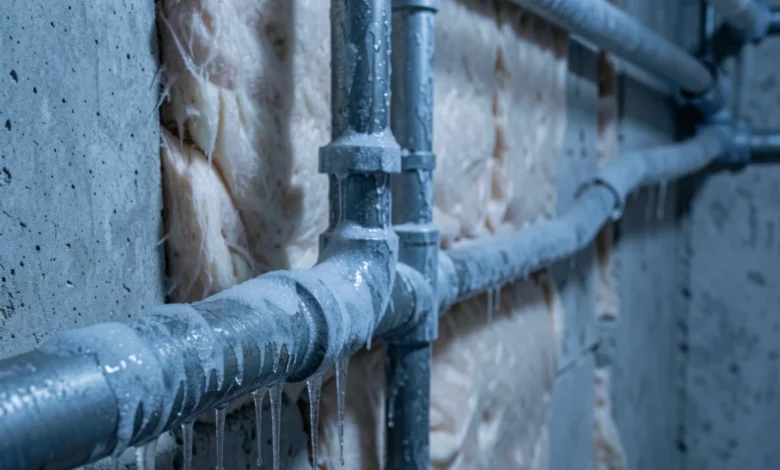
Water may look calm and harmless, but it changes when it freezes. As water turns to ice, it expands. This means it takes up more space than it did before. When water inside a pipe freezes, it pushes against the pipe walls.
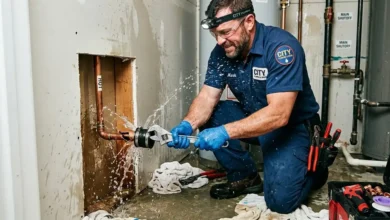
This pressure can grow very strong. If the pipe cannot handle it, it may crack or burst. When the ice melts, water can rush out of the break. This can flood walls, floors, and even ceilings.
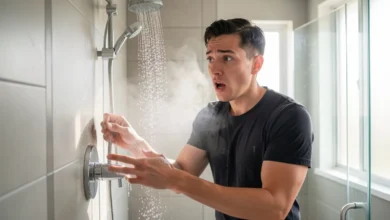
Frozen pipes can also block your water supply. You may turn on the tap and get only a slow drip, or nothing at all. This is often the first sign that water inside the line has frozen.
Why Plumbing Lines Are at Risk
Plumbing lines are often hidden in walls, attics, basements, and crawl spaces. These areas can get very cold in winter. Pipes near outside walls are at even higher risk because they have less protection from the cold air.
Warning Signs of Frozen Pipes
It is important to spot trouble early. If you open a faucet and only a small trickle comes out, the pipe may be frozen. Frost on visible pipes is another warning sign.
You might also hear strange sounds. Pipes can make banging or cracking noises when ice builds inside. In some cases, you may notice a bad smell from the drain if ice is blocking airflow.
Simple Ways to Lower the Risk
The good news is that you can take steps to reduce the danger. Insulate pipes in cold areas of your home. Foam pipe covers are low-cost and easy to install.
Keep cabinet doors open under sinks during very cold nights. This allows warm air to move around the pipes. Letting faucets drip slowly can also help. Moving water is less likely to freeze.
Seal cracks and gaps around windows and doors. This keeps cold air out and warm air in. Protect plumbing from winter freezing to avoid burst pipes, costly repairs, and unexpected water damage during cold weather.
When to Call a Professional
If a pipe bursts, turn off the main water supply right away. This will limit water damage. Then call a licensed plumber to inspect and repair the problem.
Even if you do not see a burst pipe, you may need help. A plumber can check for hidden damage behind walls. Early repair can save money and prevent mold growth.
Stay Ahead of the Freeze
Freezing weather can cause serious harm to your water supply and household plumbing lines. When water freezes, it expands and creates pressure that can break pipes. The damage can be sudden and costly.
The best defense is simple action. Insulate, seal gaps, and keep your home warm. Watch for early signs of freezing and respond quickly. By preparing now, you protect your home, your comfort, and your peace of mind all winter long. Expand your knowledge and check out more posts on our blog!