Emergency Plumbing Services: What to Expect
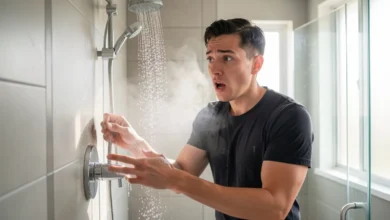
Plumbing emergencies can happen at any time, often without warning. Whether it’s a burst pipe, overflowing toilet, or a sudden loss of water, these situations require immediate attention to prevent serious damage to your home. Knowing what to expect when calling Emergency Plumbers can help you stay calm, act quickly, and minimize costly repairs.
One of the first things you can expect from emergency plumbing services is a fast response time. Unlike standard appointments, emergency plumbers are available 24/7 and prioritize urgent situations. When you call, they will typically ask a few questions about the issue to assess the severity and dispatch a technician as quickly as possible. This rapid response is crucial in preventing water damage, mold growth, and structural issues.
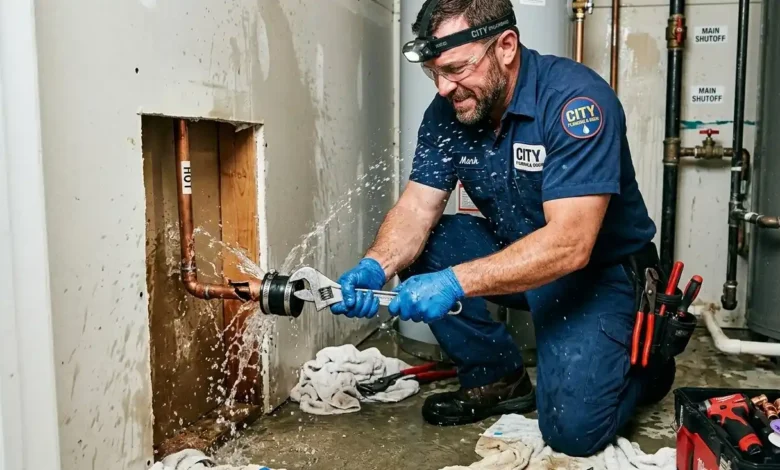
Once the plumber arrives, they will begin with a thorough inspection of the problem. Emergency plumbers are trained to quickly identify the source of the issue, whether it’s a hidden leak, a broken pipe, or a clogged sewer line. They use specialized tools and equipment to diagnose the problem accurately, ensuring the right solution is applied from the start.
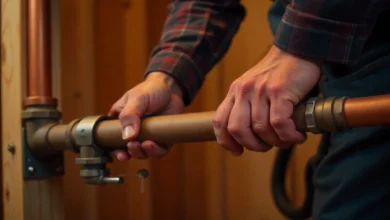
After identifying the issue, the next step is to stop the immediate damage. In many cases, this involves shutting off the water supply, repairing a broken component, or clearing a blockage. The primary goal during an emergency visit is to stabilize the situation and prevent further harm to your home. Temporary fixes may sometimes be used if a full repair requires additional parts or time.
Clear communication is another key part of emergency plumbing services. A professional plumber will explain the problem, the necessary repairs, and the expected costs before proceeding. While emergency services may come at a higher cost due to their urgency and availability, knowing what to expect upfront helps you make informed decisions.
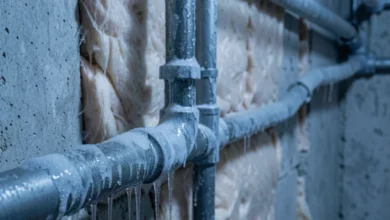
Common situations that require emergency plumbers include burst pipes, severe leaks, sewage backups, and water heater failures. These issues can escalate quickly and pose risks not only to your property but also to your health. For example, sewage backups can introduce harmful bacteria into your home, while water damage can weaken walls, floors, and ceilings.
In addition to addressing the immediate issue, emergency plumbers often provide recommendations for preventing future problems. This might include replacing old pipes, upgrading fixtures, or scheduling routine maintenance. Taking these proactive steps can help you avoid repeat emergencies and extend the lifespan of your plumbing system.
It’s also important to know what you can do before the plumber arrives. Shutting off your main water valve, turning off electrical power near affected areas, and containing leaks with towels or buckets can help reduce damage. While these steps don’t replace professional repairs, they can make a significant difference in limiting the impact of the emergency.
Ultimately, working with experienced Emergency Plumbers ensures that your plumbing issues are handled quickly, safely, and effectively. Their expertise, tools, and rapid response provide peace of mind during stressful situations. By understanding what to expect, you can be better prepared to handle plumbing emergencies and protect your home when it matters most.