Efflorescence on Brick – Causes, Diagnosis, and Long-Term Solutions for Toronto Buildings
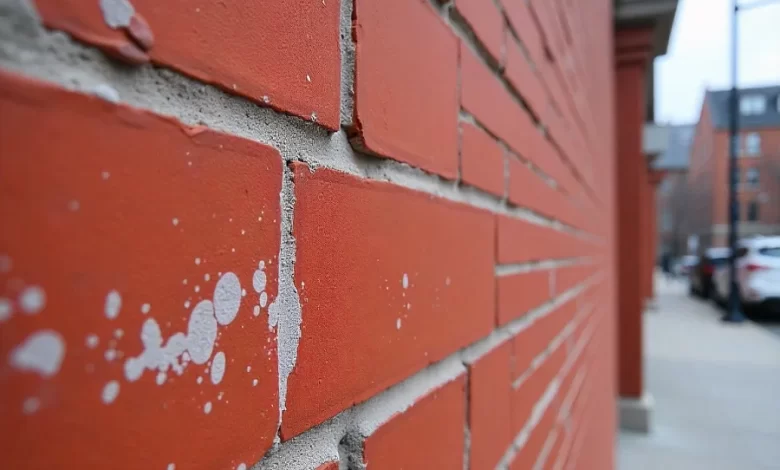
White, powdery staining on brick—known as efflorescence—is a visible sign that water is transporting salts to the surface of masonry. While often cosmetic at first, persistent efflorescence is a red flag for moisture movement within the wall assembly. Understanding why it appears, how to diagnose sources, and which interventions actually work is essential for preserving façades and chimney assemblies in Toronto’s freeze–thaw climate.
What Efflorescence Is (and Isn’t)
Efflorescence is salt crystallization at the surface as water migrates through brick, mortar, or backing materials and evaporates. The salt itself typically originates from the masonry or adjacent concrete, not from the air. Because evaporation happens at the surface, efflorescence indicates a water pathway behind the face—pointing to detailing or material issues rather than just a dirty wall. If left unaddressed, recurrent wetting can lead to deeper problems such as spalling faces, recessed joints, and thermal performance loss.
Primary Moisture Pathways
- Leaking details: Missing or compromised through-wall flashings at shelf angles, lintels, and parapets allow water to enter cavities and saturate the veneer.
- Open or recessed joints: Deteriorated mortar admits wind-driven rain, particularly at corners, sills, and south- or west-facing elevations.
- Blocked drainage: Clogged weeps or mortar droppings at the cavity base trap water, forcing it outward through the brick face.
- Capillary wicking: At grade, splashback and soils can saturate lower courses in the absence of capillary breaks or intact parging.
- Chimney exposure: Failed crowns, missing caps, or step/counter-flashing leaks concentrate wetting above the roofline.
Diagnosing Before Fixing
Successful remediation starts with mapping moisture movement rather than jumping to surface cleaning. A structured approach improves outcomes:
- Survey & document: Photograph efflorescence patterns by elevation and season; note concentration under copings, at shelf angles, or around openings.
- Detail inspection: Verify flashings, end dams, open weeps, and drip edges at sills and caps. Check sealants at penetrations and interfaces.
- Material checks: Probe mortar for depth and integrity; confirm brick absorption and match of past replacements. Identify hard cement patches on soft heritage brick.
- Water testing (where safe): Controlled hose testing can pinpoint leak paths at specific details when combined with interior monitoring.
When diagnostic scope spans multiple façades, heritage materials, or suspected cavity issues, coordination with a Toronto Masonry Contractor helps align testing, material selection, and phasing to local climate demands.
Remediation That Works
Because efflorescence is a symptom of moisture transport, durable solutions focus on water management and material compatibility:
- Restore water control layers: Rebuild through-wall flashings with end dams; reinstate weeps at appropriate spacing; provide true drip edges on copings and sills.
- Repoint with compatible mortar: Cut out deteriorated joints to sound depth and install mortar matched for permeability and strength so joints, not bricks, act as the sacrificial element.
- Selective unit replacement: Swap spalled or salt-damaged bricks for units matched in size and absorption; avoid mixing hard replacements into soft, historic fields.
- Drainage & grade corrections: Maintain positive slope, extend downspouts, and manage splashback at lower courses. Renew foundation parging where eroded.
- Breathable repellents (case-by-case): Specify silane/siloxane treatments only after water entry is addressed; avoid film-forming sealers that can trap moisture.
Chimneys: Highest Exposure, Highest Payoff
Efflorescence on chimney stacks often signals multiple failures: cracked or flat crowns without drip edges, missing or undersized caps, open joints, and compromised step/counter-flashing. Effective remediation treats the whole assembly—crown reconstruction with slope and drips, proper cap, repointing, selective brick replacement, and re-layered flashing tied into roofing. Scope and sequencing typical of Toronto chimney repair address both moisture exclusion and venting safety.
Cleaning Without Harm
After fixing water entry, remove surface salts with dry brushing first; introduce water sparingly to avoid drawing more salts outward. Where needed, use manufacturer-approved, masonry-safe cleaners, followed by a gentle rinse. Avoid high-pressure washing that can erode soft joints or drive water deeper into the wall.
Seasonal Strategy for Toronto
Spring: Inspect after freeze–thaw; document new salt patterns; schedule repointing and detail repairs while weather stabilizes.
Summer: Execute masonry repairs for optimal curing; rebuild crowns/flashings; reopen weeps; complete selective brick replacement.
Fall: Confirm gutters/downspouts, sealant continuity, and cap/mesh integrity ahead of winter wetting; consider breathable repellents where specified.
Winter: Plan diagnostics and mockups; avoid aggressive exterior cleaning; monitor interiors for moisture cues during thaws.
Key Takeaways
- Efflorescence is a diagnostic of moisture movement, not merely a stain.
- Durable fixes prioritize flashings, drainage, and compatible repointing over cosmetic cleaning alone.
- Chimneys merit early attention due to extreme exposure and safety implications.
- Documentation—photos, mortar recipes, product data—streamlines future matching and maintenance cycles.