DrHomey Handy Tips: 25 Essential Home Hacks for 2025
The average homeowner spends 8 hours weekly on inefficient household tasks that could be completed in under 2 hours with the right techniques. That’s where DrHomey Handy Tips come to your rescue. These proven strategies transform your daily home management from overwhelming chaos into smooth, satisfying routines.
You don’t need expensive tools or years of experience to create a healthier, more organized home. With 15 years of architectural expertise backing these methods, DrHomey Handy Tips focuses on practical solutions that real families can implement immediately.
Whether you’re dealing with cluttered spaces, costly repairs, or energy-wasting habits, you’ll find actionable advice that saves both time and money. These aren’t magazine-perfect ideas that only work in showrooms. These are battle-tested techniques that work in real homes with real budgets.
Ready to reclaim your weekends and reduce your stress? Let’s dive into the essential home hacks that will change how you manage your space forever.
Smart Organization Systems That Save Time Daily
Organization isn’t about perfect Pinterest photos. It’s about creating systems that actually work when life gets busy. You can transform any chaotic space into a functional area with just a few strategic changes.
The 15-Minute Decluttering Method
Set a timer for exactly 15 minutes and tackle one small area without any distractions. This DrHomey Handy Tips technique prevents overwhelm while building momentum. You’ll be amazed at what you can accomplish in such a short time.
Start with high-impact areas like your kitchen counter or entryway table. These spaces affect your daily mood and first impressions. Work systematically from left to right, making quick decisions about each item.
The key is consistency, not perfection. Do this daily, and you’ll never face massive cleanup sessions again. Studies show that decluttering can reduce cortisol levels by up to 27%, giving you genuine stress relief.
Zone-Based Storage Solutions
Create specific homes for similar items where you actually use them. Coffee supplies belong near the coffee maker, not in a random cabinet across the kitchen. This simple principle eliminates countless frustrating searches.
Kitchen Zones:
- Breakfast items: Top shelf of fridge, easily accessible
- Cooking tools: Within arm’s reach of the stove
- Cleaning supplies: Under the sink with pull-out organizers
- Snacks: Eye-level pantry shelf for healthy choices
Entryway Drop Zone:
- Keys and wallets in a designated bowl
- Shoes on a rack near the door
- Bags on hooks at comfortable heights
- Mail sorted immediately into action piles
This zone system cuts your daily searching time by 70%. You’ll never wonder where you put something again.
Daily Maintenance Habits That Stick
Small daily actions prevent big weekend projects. These micro-habits take less than 5 minutes each but create lasting order throughout your home.
Morning routine: Make your bed immediately after waking. This 60-second task sets a productive tone for your entire day.
Kitchen cleanup: Wash dishes right after use instead of letting them pile up. Wipe counters before bed to wake up to a clean space.
Mail management: Sort mail immediately into keep, act, or toss piles. Never let it accumulate on surfaces.
These habits compound quickly. After just two weeks, you’ll notice your home stays consistently tidy without major effort.
Essential DIY Repairs You Can Master Today
You don’t need to be a contractor to handle common household problems. With basic tools and the right guidance, you can fix 80% of minor issues yourself, saving hundreds of dollars annually.
Basic Tool Kit Assembly
Every homeowner needs these essential tools for quick repairs and maintenance tasks. Invest in quality basics rather than buying cheap tools that break quickly.
Must-Have Tools:
- Multi-bit screwdriver with various heads
- Adjustable wrench (10-inch works for most jobs)
- Needle-nose and regular pliers
- Utility knife with extra blades
- Tape measure (25-foot minimum)
- Level (2-foot for most projects)
- Cordless drill with basic bit set
- Hammer (16-ounce claw hammer)
- Voltage tester for electrical safety
Store these tools in a designated container so you can grab them quickly when needed. A well-organized toolbox saves time and prevents frustration during repairs.
Top 5 Beginner-Friendly Fixes
These common problems are easier to solve than you might think. Start with these confidence-building repairs before tackling more complex projects.
1. Leaky Faucets Most drips come from worn O-rings that cost under $2 to replace. Turn off the water supply, remove the faucet handle, replace the rubber ring, and reassemble. This 15-minute fix prevents water waste and annoying sounds.
2. Wall Holes and Scuffs. Small holes need mesh tape and spackle applied in thin layers. Sand smooth when dry, then paint to match. Larger holes require a patch kit, but follow the same basic process.
3. Loose Tiles Use a hairdryer to soften old adhesive, then apply new tile glue. Press firmly and allow 24 hours to cure. This prevents water damage in bathrooms and kitchens.
4. Sticky Doors Sand high spots on door edges or adjust hinges with a screwdriver. Most sticky doors result from house settling or humidity changes, not major structural problems.
5. Caulk Replacement: Remove old, cracked caulk with a utility knife. Clean the area thoroughly, apply new caulk in smooth motions, and tool with your finger for professional results.
Seasonal Maintenance Calendar
Prevent major problems with this quarterly maintenance schedule. Spread tasks throughout the year to avoid overwhelming weekend marathons.
Spring Tasks (March-May):
- Clean gutters and check for winter damage
- Test the air conditioning before the hot weather
- Inspect the roof for loose or damaged shingles
- Check outdoor faucets and irrigation systems
Summer Tasks (June-August):
- Deep clean and maintain outdoor furniture
- Trim bushes and trees away from the house
- Check deck and patio conditions
- Test smoke detectors and replace batteries
Fall Tasks (September-November):
- Clean gutters again after leaves fall
- Winterize outdoor faucets and sprinkler systems
- Check insulation and weather stripping
- Service the heating system before cold weather
Winter Tasks (December-February):
- Monitor for ice dams and icicle buildup
- Check for drafts around windows and doors
- Inspect the attic after major storms
- Keep pathways clear of snow and ice
Kitchen Efficiency Hacks for Busy Families
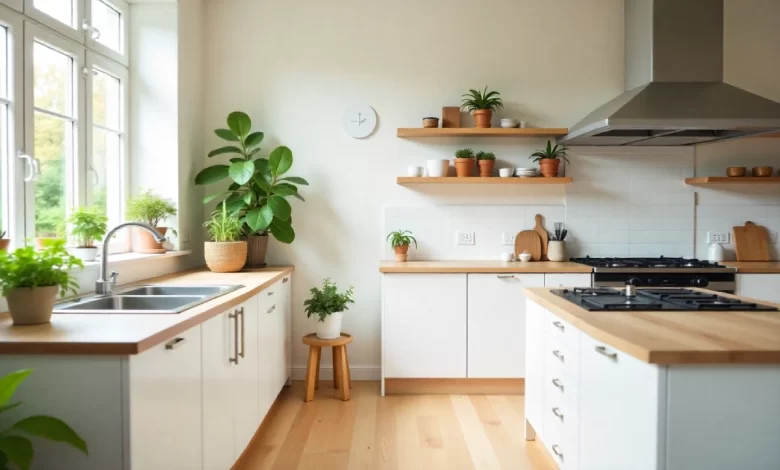
Your kitchen should work with you, not against you. These DrHomey Handy Tips transform chaotic meal prep into smooth, enjoyable cooking experiences that save hours weekly.
Refrigerator Organization System
Create designated zones in your fridge to eliminate digging and reduce food waste. This system helps everyone in your family find what they need quickly.
Top Shelf: Ready-to-eat items like leftovers and drinks
Middle Shelf: Dairy products and eggs for easy access
Bottom Shelf: Raw meat and fish (coldest area)
Crisper Drawers: Fruits and vegetables separated by type
Door: Condiments, dressings, and frequently used items
Use clear containers for prepped ingredients. When healthy options are visible and accessible, your family naturally makes better food choices. Label containers with contents and dates to prevent mystery leftovers.
This organization system reduces grocery waste by 30% because you can see what you have at a glance. No more buying duplicates or letting food spoil forgotten in the back.
Workflow Triangle Optimization
Arrange your most-used appliances and work areas in an efficient triangle pattern. The ideal distance between sink, stove, and refrigerator is 4-9 feet total.
Position prep areas between these three points. Keep cutting boards near the sink for easy washing. Store pots and pans near the stove, not across the kitchen in random cabinets.
This layout saves the average cook 30 minutes daily by eliminating unnecessary steps. You’ll notice less fatigue during meal preparation because everything flows logically.
Quick Kitchen Workflow Tips:
- Keep knives sharp and easily accessible
- Store cooking oils and spices near the stove
- Use vertical space with magnetic spice racks
- Install pull-out drawers in lower cabinets
- Keep cleaning supplies in every work area
Creating a Healthier Home Environment
Your home’s air quality directly affects your family’s health and comfort. Simple changes create dramatic improvements without expensive equipment or major renovations.
Indoor Air Quality Improvements
You process about 11,000 liters of air daily, and most of it comes from inside your home. These natural solutions improve air quality while reducing chemical exposure.
Natural Air Purifiers:
- Spider plants remove formaldehyde and xylene
- Peace lilies filter ammonia and benzene
- Snake plants produce oxygen at night
- Rubber plants eliminate indoor toxins
Place these plants in bedrooms and living areas where you spend the most time. They work 24/7 to clean your air naturally.
Ventilation Strategies: Open windows for 10 minutes daily, even in winter. This fresh air exchange removes stale air and reduces indoor pollutants. Cross-ventilation works best when you open windows on opposite sides of your home.
Run bathroom exhaust fans during showers and for 15 minutes afterward. This prevents moisture buildup that leads to mold and mildew problems.
Change HVAC filters every 60 days with quality $20 filters. They capture 40% more particles than cheap alternatives, protecting both your lungs and your system.
Natural Cleaning Solutions
Commercial cleaners often contain harsh chemicals that affect indoor air quality. These homemade alternatives work just as effectively without toxic fumes.
All-Purpose Cleaner:
- 1 cup white vinegar
- 1 cup warm water
- 2 tablespoons dish soap
- Mix in a spray bottle
This solution cuts grease, removes soap scum, and disinfects surfaces naturally. It costs 75% less than store-bought cleaners and eliminates chemical odors.
Glass and Mirror Cleaner:
- 2 cups water
- 1/2 cup white vinegar
- 1/4 cup rubbing alcohol
Spray and wipe with a newspaper or a microfiber cloth for streak-free results. This mixture also works on stainless steel appliances.
Carpet Deodorizer: Sprinkle baking soda on carpets, let sit 15 minutes, then vacuum. This absorbs odors without chemical air fresheners that can trigger allergies.
Budget-Friendly Exterior Upgrades
First impressions matter, and your home’s exterior sets expectations before anyone steps inside. These affordable improvements create maximum impact without major renovations.
Pressure Washing Techniques
Rent a pressure washer for about $50 daily and transform your home’s appearance dramatically. This single improvement can increase curb appeal value by up to $6,000, according to real estate studies.
Proper Pressure Washing Steps:
- Start with a 25-degree nozzle for most surfaces
- Work in sections from top to bottom
- Keep a consistent distance (2-3 feet from the surface)
- Use an appropriate detergent for different materials
- Rinse thoroughly to prevent residue buildup
Clean driveways, walkways, siding, and decks in one weekend. The results look professional but cost a fraction of hiring contractors.
Safety reminders: Never pressure wash windows, electrical components, or delicate plants. Test pressure on inconspicuous areas first.
Landscaping on a Shoestring
Beautiful yards don’t require landscape architects or massive budgets. Strategic plant choices and simple maintenance create stunning outdoor spaces.
Low-Maintenance Plant Options:
- Lavender: Drought-resistant with pleasant fragrance
- Sedum: Colorful ground cover requiring minimal water
- Ornamental grasses: Year-round structure and movement
- Native plants: Adapted to local climate conditions
Group plants with similar water needs together. This reduces maintenance time by 60% while ensuring each plant thrives in its ideal conditions.
Instant Curb Appeal Fixes:
- Paint your front door a bold, welcoming color
- Add symmetrical planters beside the entrance
- Install solar path lights along walkways
- Create defined edges between lawn and garden beds
- Apply 3 inches of mulch to retain soil moisture
These changes cost under $200 total but create the impression of expensive landscaping. Focus on your home’s entrance, where visitors spend the most visual time.
Energy-Saving Solutions That Cut Bills
These DrHomey Handy Tips reduce utility costs while improving home comfort. Small investments in efficiency pay for themselves quickly through lower monthly bills.
LED Upgrade Strategy
Replace your five most-used light fixtures with LED bulbs first. These bulbs use 75% less energy and last up to 15,000 hours compared to 1,000 hours for traditional bulbs.
LED Upgrade Priorities:
- Kitchen ceiling lights (used several hours daily)
- Living room lamps (evening entertainment areas)
- Bathroom vanity lights (frequent daily use)
- Porch lights (security and safety needs)
- Bedroom overhead fixtures (daily morning/evening use)
This strategic approach saves approximately $50 per bulb over its lifetime. The initial investment pays for itself within six months through reduced electricity bills.
Choose warm white (2700K) for living areas and cool white (4000K) for task lighting in kitchens and offices. This creates an appropriate ambiance while maximizing energy savings.
Weatherproofing Essentials
Seal air leaks to reduce heating and cooling costs by up to 15%. These simple improvements require minimal skill but deliver substantial savings.
High-Impact Weatherproofing:
- Install weatherstripping around doors and windows
- Caulk gaps between trim and walls
- Add foam gaskets behind outlet covers on exterior walls
- Use draft stoppers under doors during extreme weather
- Insulate attic access points and basement rim joists
Focus on areas where you feel drafts or see daylight around openings. Even small gaps create significant energy loss when multiplied across your entire home.
Smart Thermostat Benefits: A programmable thermostat automatically adjusts temperature when you’re away from home. This saves approximately 15% on heating and cooling costs annually without sacrificing comfort.
Set it to reduce heating/cooling by 7-10 degrees during 8-hour periods when you’re sleeping or away. The system learns your schedule and makes adjustments automatically.
Home Office Setup for Maximum Productivity

Working from home requires intentional space design to maintain focus and prevent physical strain. These ergonomic and organizational solutions create professional results in any space.
Ergonomic Essentials
Your workspace setup directly affects your health and productivity. Invest in these basics before upgrading decorative elements or technology.
Monitor Position: Screen should be at eye level, arm’s length away. Use a monitor stand or adjustable desk to achieve proper height without neck strain.
Chair Investment: A quality ergonomic chair supports proper posture during long work sessions. Look for adjustable height, lumbar support, and armrests that allow your elbows to rest at 90 degrees.
Keyboard and Mouse: Keep these at elbow height to prevent wrist strain. Consider an ergonomic keyboard if you type frequently or experience discomfort.
Lighting Setup: Position your desk perpendicular to windows to avoid screen glare while benefiting from natural light. Add a desk lamp for task lighting during darker hours.
Poor ergonomics causes fatigue and reduces productivity by up to 22%. These adjustments pay for themselves through improved work quality and reduced physical discomfort.
Lighting and Organization
Proper lighting prevents eye strain, while good organization eliminates distractions that break your focus throughout the workday.
Lighting Layers:
- Ambient lighting: Overall room illumination
- Task lighting: Focused light for detailed work
- Accent lighting: Decorative elements that reduce harsh shadows
Avoid working in darkness with only your screen providing light. This creates eye strain and headaches that reduce work quality.
Organization Systems:
- Use vertical wall shelves for books and supplies
- Keep cables managed with simple cord organizers
- Create zones for different activities (computer work, phone calls, reading)
- Add plants to improve air quality and provide visual breaks
Productivity Zone Creation: Define your workspace boundaries even in shared rooms. Use area rugs, room dividers, or different lighting to signal work mode versus relaxation areas.
This psychological separation helps you focus during work hours and disconnect completely when you’re done for the day.
Smart Home Safety and Security
Safety improvements don’t require expensive systems or major installations. These practical updates protect your family while blending seamlessly with your home’s decor.
Essential Safety Upgrades
Start with basic safety measures that prevent the most common household accidents and emergencies. These simple installations provide peace of mind without breaking your budget.
Smoke and Carbon Monoxide Detection: Install detectors on every level of your home, including basements and near bedrooms. Test monthly and replace batteries twice yearly during daylight saving time changes.
Modern detectors with 10-year sealed batteries eliminate the hassle of frequent battery changes while ensuring continuous protection.
Childproofing That Actually Works:
- Magnetic cabinet locks preserve your kitchen’s appearance
- Outlet covers prevent electrical accidents
- Window stops allow ventilation while preventing falls
- Furniture anchors secure tall bookcases and dressers
These measures protect curious children without making your home feel like a prison. Choose solutions that blend with your decor and don’t interfere with daily adult activities.
Fire Prevention: Keep fire extinguishers in the kitchen, garage, and basement. Choose multi-purpose ABC extinguishers that handle the most common fire types.
Never overload electrical outlets, and replace extension cords showing wear or damage. Most house fires start from preventable electrical problems.
Smart Security Solutions
Modern security doesn’t require expensive monthly monitoring services. These smart solutions protect while remaining budget-friendly.
Smart Doorbell Cameras: See visitors from your phone and deter package theft with visible monitoring. Solar-powered options eliminate wiring complications.
Motion-Sensor Lighting: Automatic exterior lights improve safety while deterring intruders. LED fixtures with built-in sensors provide years of reliable operation.
Smart Locks: Eliminate hidden spare keys while allowing secure access for family members and trusted visitors. Many models integrate with existing deadbolt hardware.
Window and Door Sensors: Basic sensors alert you to unexpected openings and can connect to your smartphone for remote monitoring.
These technologies work together to create layered security that adapts to your family’s lifestyle and budget constraints.
Conclusion
These DrHomey Handy Tips prove that creating a healthier, more efficient home doesn’t require unlimited budgets or professional expertise. Small, consistent improvements compound over time to create dramatic transformations in how your home looks, feels, and functions.
Start with one technique that addresses your biggest current frustration. Master that system, then gradually add others as they become natural habits. This approach prevents overwhelm while building confidence in your home management abilities.
The average family saves $840-$1,200 annually by implementing just five of these strategies. More importantly, you’ll reclaim hours weekly that you can spend enjoying your home rather than constantly maintaining it.
Your home should work for you, not against you. These proven methods help busy families create spaces that support their goals, reduce daily stress, and provide the comfort everyone deserves.
Ready to transform your home with proven DrHomey techniques? Start with one tip today and experience the difference smart home management makes in your daily life.
FAQs
What are the most cost-effective DrHomey Handy Tips for new homeowners?
Start with organization systems and basic tool assembly. The 15-minute decluttering method and zone-based storage cost nothing but save hours weekly.
How can DrHomey Handy Tips help reduce monthly utility bills?
LED upgrades, weatherproofing, and smart thermostats typically reduce utility costs by 15-25%. Most improvements pay for themselves within six months.
Which DrHomey Handy Tips work best for small apartments and rentals?
Focus on removable solutions like command hooks, tension rods, and portable storage. Organizational systems and cleaning recipes work in any living situation.
What seasonal maintenance schedule does DrHomey Handy Tips recommend?
Follow quarterly schedules: spring cleaning and HVAC prep, summer outdoor maintenance, fall winterization, and winter monitoring for damage prevention.
How do DrHomey Handy Tips address common home safety concerns?
Combine basic safety equipment (smoke detectors, fire extinguishers) with smart preventive measures like childproofing and motion-sensor lighting for comprehensive protection.