The Definitive Guide to Safe and Effective DIY Carpet Cleaning Solutions
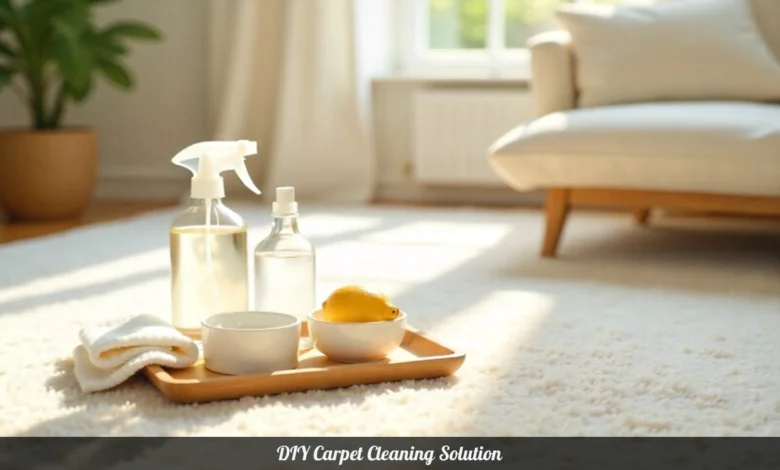
A safe, effective DIY carpet cleaning solution can be made using 1 cup of white vinegar, 1 cup of warm water, and 1 teaspoon of clear dish soap for general cleaning and odor neutralization. For tough stains, a paste of baking soda and water or a 3% hydrogen peroxide solution is highly effective. Always conduct a spot test in an inconspicuous area first, and never mix cleaning agents like vinegar and bleach, as they create toxic fumes.
Forget expensive, harsh-smelling store-bought formulas. You can create a professional-level clean for your carpets using simple, affordable ingredients you likely already have at home. This guide explains the science behind the most effective DIY solutions, offers targeted recipes for every type of stain, and provides crucial safety advice to protect your carpets and your home. You will learn how to clean deeply, remove stubborn spots, and maintain your carpets without relying on mystery chemicals.
Understanding Your Cleaning Arsenal: Core Ingredients Explained
Knowing what each common household cleaner does will help you choose the right tool for the job and use it safely.
White Vinegar (Acetic Acid) is a multi-purpose workhorse. Its mild acidity helps dissolve dirt, break down grease, and neutralize alkaline-based odors like pet urine and cooking smells. It also has mild antibacterial properties. A study highlighted by cleaning experts notes that vinegar-based solutions are excellent for routine cleaning and deodorizing, though they may not meet official disinfection standards that require eliminating 99.99% of germs.
Baking Soda (Sodium Bicarbonate) is a gentle abrasive and a powerful, natural deodorizer. It works by absorbing odors and moisture rather than just masking them. For a quick refresh, sprinkle baking soda over your carpet, let it sit for an hour, and then vacuum thoroughly.
Hydrogen Peroxide (3% Solution) is a bleaching and disinfecting agent. It works through oxidation, breaking down the molecules in organic stains like wine, coffee, and blood. Always test it on a hidden spot first, as it can lighten some colored fabrics.
Clear Dish Soap acts as a surfactant. It breaks the surface tension of water, allowing it to penetrate carpet fibers more easily and lift away grease and grime. Use it sparingly, as too much can leave a sticky residue that attracts more dirt.
Proven DIY Carpet Cleaning Recipes
These recipes use proven combinations of the ingredients above. Always prepare them fresh for maximum effectiveness and perform a spot test in a closet or corner before full application.
1. All-Purpose Vinegar Cleaner (Best for General Cleaning & Odors) This is your go-to solution for overall freshening and light soil.
- 1 cup white distilled vinegar
- 1 cup warm water
- 1 teaspoon clear, non-bleach dish soap
- Combine in a spray bottle. Shake gently before use. Spray lightly on the carpet, agitate with a brush, and blot dry.
2. Baking Soda Deep Deodorizer (Best for Eliminating Odors) Ideal for pet areas, kitchens, or any room that needs odor removal.
- 1 cup baking soda
- ½ cup cornstarch (helps with application)
- 10-15 drops of essential oil (optional, e.g., lavender or tea tree)
- Mix in a bowl. Sprinkle liberally over the entire dry carpet. Let it sit for several hours or overnight, then vacuum thoroughly.
3. Hydrogen Peroxide Spot Treatment (Best for Tough Organic Stains) Use this for fresh stains from wine, coffee, juice, or pet accidents.
- 2 cups 3% hydrogen peroxide
- 2 teaspoons clear dish soap
- 2 teaspoons baking soda
- Mix in a bowl. Apply only to the stained area. Let it bubble and sit for 5-10 minutes, then blot repeatedly with a clean, damp cloth until the solution is removed.
Critical Safety: What NOT to Mix
Chemical safety is paramount. Some common DIY combinations are dangerous and must be avoided. Cleaning professionals strongly warn against creating toxic fumes by mixing the wrong products.
- Vinegar + Bleach = Toxic Chlorine Gas. This combination creates a dangerous gas that can cause breathing problems and severe respiratory irritation.
- Vinegar + Hydrogen Peroxide = Peracetic Acid. Mixing these in a single container creates peracetic acid, which can release harmful fumes and irritate your eyes, skin, and respiratory system.
- Ammonia + Bleach = Toxic Chloramine Vapors. This mixture produces a gas that is particularly harmful to the lungs and airways.
A safe practice is to use one cleaning agent at a time. If you need a two-step process (e.g., vinegar for odor, then peroxide for a stain), rinse the area thoroughly with water and blot it dry between applications.
When to Call a Professional Cleaner
While DIY solutions are excellent for maintenance, there are times when professional equipment and expertise are necessary. Consider hiring a pro in these situations:
- After a major flood or water damage to prevent mold growth deep in the carpet and padding.
- For large, set-in, or unknown stains that do not respond to your treatments.
- For delicate, antique, or very expensive rugs, improper cleaning could cause damage.
- If you or a family member suffers from severe allergies or asthma, Pros use powerful HEPA filtration and truck-mounted extraction to remove deep allergens.
- For an annual deep clean to extend the life and appearance of your carpet beyond what home machines can achieve.
Final Thoughts
Taking care of your carpets with DIY solutions is a smart, sustainable, and economical choice. By understanding the simple chemistry of vinegar, baking soda, and hydrogen peroxide, you can tackle almost any spill or stain with confidence. The key to success lies in acting quickly on stains, using the right recipe for the job, and never mixing incompatible chemicals.
Remember that these homemade solutions are perfect for maintenance, but a periodic professional deep clean is invaluable for your carpet’s long-term health and appearance. With this knowledge, you’re equipped to keep your carpets fresh, clean, and welcoming for years to come.
FAQs
What is the safest DIY cleaner for homes with pets and children?
The vinegar and water solution is one of the safest. It leaves no harsh chemical residues behind. For stains, a paste of baking soda and water is very safe and effective for fresh messes. Always ensure the area is well-ventilated and completely dry before allowing pets or children back on the carpet.
Can I use DIY solutions in my rental carpet cleaning machine?
Yes, most DIY solutions are safe for home machines. The all-purpose vinegar cleaner or a simple mix of hot water and a tiny amount of dish soap works well. Crucial: Always check your machine’s warranty first. Some manufacturers may void the warranty if non-approved solutions are used. Never use solutions containing bleach or laundry detergent, as they can create excess suds and damage the machine’s pump.
How do I clean a natural fiber rug (like wool or jute) at home?
Extra caution is needed. Use a milder solution—try equal parts cool water and white vinegar. Always blot, never scrub, and avoid saturating the rug. Test on the smallest possible hidden area first, as natural fibers are more prone to color bleeding and texture changes. For valuable rugs, professional cleaning is often the wisest investment.
Why does my carpet look dirtier or get sticky after I clean it?
This is usually caused by over-wetting or using too much soap. Excess moisture can drive dirt deeper, and residual soap acts as a magnet for new soil. The fix is to use less cleaning solution, ensure your machine extracts as much moisture as possible, and do a final “rinse” pass over the carpet with plain water in your machine to remove any soap residue.
How can I make my DIY cleaned carpets dry faster?
Speed up drying to prevent mildew. Open windows and use fans or your home’s air conditioning to circulate air. Run a dehumidifier in the room if you have one. Avoid walking on the carpet until it is completely dry to the touch.