Why Your DIY AC Repair Could Land You in the ER (Or Worse)
Your air conditioner stops working on the hottest day of summer. You check YouTube, watch a few repair videos, and think, “I can fix this myself and save a few hundred bucks.” Before you grab your toolbox, you need to know what you’re actually risking.
DIY AC repair dangers go far beyond a broken unit. You could face electric shock, chemical exposure, voided warranties, and repair bills that dwarf what a professional would have charged. This article breaks down the real hazards of attempting repairs without proper training and why calling a licensed HVAC technician is the smarter choice.
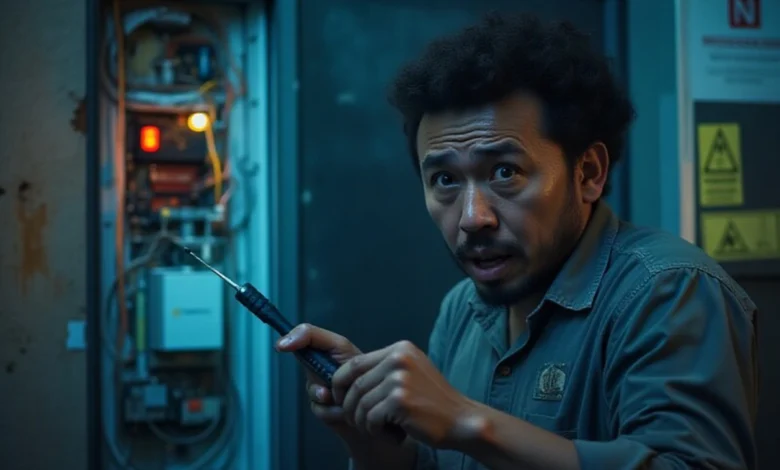
You’re Handling High-Voltage Electricity Without Protection
Air conditioning systems run on 240 volts. That’s twice the power of a standard outlet and enough to stop your heart.
HVAC units have multiple electrical components: the compressor, condenser fan motor, circuit breakers, and capacitors. Capacitors store electrical charge even after you shut off the power. Touch one without discharging it properly, and you’ll get shocked hard enough to cause burns, cardiac arrest, or death.
Professional technicians use voltage meters and insulated tools. They know how to safely discharge capacitors and verify circuits are dead before touching anything. You probably don’t own this equipment, and a single YouTube video won’t teach you years of electrical safety training.
A 2023 study from the Electrical Safety Foundation International found that improper electrical work causes over 4,000 home injuries annually. AC repairs account for a significant portion of these incidents. The risk isn’t worth the few hundred dollars you think you’ll save.
Refrigerant Exposure Can Cause Serious Health Problems
Modern air conditioners use refrigerants like R-410A, and older units still run on R-22. Both are chemical compounds that require EPA certification to handle legally.
Refrigerant leaks cause frostbite on contact with skin. Inhaling these chemicals leads to dizziness, irregular heartbeat, and respiratory damage. In poorly ventilated spaces like attics or basements, refrigerant displaces oxygen and can cause unconsciousness.
The EPA requires Section 608 certification to purchase, handle, or dispose of refrigerants. This isn’t a suggestion. It’s federal law under the Clean Air Act. Violating these regulations carries fines up to $44,539 per day per violation as of 2024.
Even if you somehow obtain refrigerant without certification, you need specialized tools to recover old refrigerant, evacuate lines, and recharge the system to exact specifications. Overcharging or undercharging damages the compressor, which costs $1,200 to $2,500 to replace. Undercharging also reduces cooling efficiency and drives up your electric bill.
Your Warranty Dies the Moment You Start
Most AC manufacturers void warranties if anyone other than a licensed contractor touches the system. This includes both parts and labor coverage.
A typical residential AC unit comes with a 5 to 10 year parts warranty and sometimes a separate compressor warranty. These warranties save you thousands if a major component fails. Manufacturers require proof of professional installation and maintenance to honor these warranties.
One homeowner in Florida tried replacing a failed capacitor himself. The repair worked temporarily, but six months later, his compressor died. The manufacturer denied his warranty claim because he couldn’t provide service records from a licensed technician. He paid $2,100 for a new compressor plus labor. A professional capacitor replacement would have cost $150.
Beyond manufacturer warranties, your homeowner’s insurance may deny claims for damage caused by unpermitted work or DIY repairs. If your amateur AC repair causes a fire or water damage, you could be stuck with the full bill.
You’ll Likely Misdiagnose the Problem
Air conditioning systems are complex. A unit that won’t cool could have dozens of potential causes: low refrigerant, a clogged filter, a frozen evaporator coil, a faulty thermostat, compressor failure, electrical issues, or a blocked condenser.
Professional HVAC technicians spend years learning diagnostic procedures. They use specialized equipment like manifold gauges, leak detectors, amp meters, and thermometers to pinpoint exact problems.
Most DIYers misdiagnose the issue and replace parts that aren’t broken. You might spend $200 on a new capacitor when the real problem is a $15 contactor. Or worse, you’ll mask a symptom without fixing the root cause, leading to bigger failures down the road.
A common mistake is adding refrigerant to a system that’s low. If the refrigerant is low, there’s a leak somewhere. Adding more refrigerant without finding and fixing the leak just kicks the problem down the road. Meanwhile, that leak could be releasing chemicals into your home and damaging the ozone layer.
The Tools and Parts Cost More Than You Think
Professional AC repair requires specialized tools that cost hundreds to thousands of dollars. You need manifold gauges, a vacuum pump, a refrigerant recovery machine, a leak detector, a multimeter, and various hand tools.
A quality vacuum pump alone costs $200 to $500. Refrigerant recovery equipment runs $800 to $2,000. Licensed technicians spread these costs across hundreds of service calls. You’ll use them once.
Then there’s the question of parts. OEM parts from the manufacturer ensure compatibility and longevity. Generic aftermarket parts may fit but often fail prematurely. Professional contractors have relationships with suppliers and can get genuine parts at wholesale prices. You’ll pay retail or risk buying counterfeit components online.
A homeowner in Texas ordered a “compatible” compressor from an online marketplace to save money. It failed after three months because it wasn’t matched to his system’s specifications. He ended up paying a professional to install the correct compressor, plus disposal fees for the failed unit. Total cost: $3,400. A professional repair from the start would have been $2,200.
You Could Make the Problem Worse
Simple mistakes during DIY AC repair create expensive complications. Overtightening fittings cracks refrigerant lines. Incorrect wiring burns out circuit boards. Poor soldering joints cause leaks that require complete line replacement.
Refrigerant lines must be brazed, not soldered, at temperatures above 840 degrees Fahrenheit. This requires an oxygen-acetylene torch and proper technique. Get it wrong, and you’ll create weak joints that leak refrigerant and contaminate the system with moisture.
Moisture is the enemy of AC systems. Even a tiny amount causes corrosion and ice buildup. Professional technicians use vacuum pumps to evacuate all air and moisture before charging systems. Without this step, you’re guaranteeing future problems.
One DIY attempt in Georgia resulted in a flooded basement. The homeowner disconnected the condensate drain line incorrectly and didn’t reconnect it properly. Water backed up and damaged flooring, drywall, and personal belongings. The insurance company denied the claim because the damage resulted from unpermitted work. Total loss: $8,500.
What You Can Safely Do Yourself
Not all AC maintenance requires professional help. You can and should handle these tasks:
Change your air filter every 30 to 90 days, depending on usage. A clogged filter reduces airflow and makes your system work harder. This simple task takes two minutes and costs $10 to $30 per filter.
Keep the outdoor condenser unit clear. Remove leaves, grass clippings, and debris. Trim plants at least two feet away from the unit. Good airflow around the condenser improves efficiency.
Clean the condensate drain line with a 50/50 mixture of water and white vinegar. Pour it down the drain opening to prevent algae buildup. Do this every three months to avoid clogs.
Check your thermostat batteries and settings. Dead batteries cause system failures that look serious but take 30 seconds to fix.
These basic maintenance tasks prevent many common problems and extend your system’s life. They’re also safe because they don’t involve electrical work or refrigerant handling.
When to Call a Professional
Contact a licensed HVAC technician for anything beyond basic maintenance. This includes any situation where you need to open the refrigerant system, work with electrical components, or replace major parts.
Look for contractors with proper licensing in your state, EPA Section 608 certification, and liability insurance. Good technicians diagnose problems systematically rather than guessing and replacing parts.
Ask about warranties on both parts and labor. Reputable contractors stand behind their work with at least a one-year labor warranty. Some offer service agreements that include annual maintenance and priority scheduling.
The average professional AC repair costs $150 to $600, depending on the problem. Annual maintenance runs $75 to $200. These costs are far less than emergency replacements, medical bills from injuries, or property damage from failed DIY repairs.
Your AC Deserves Better Than Guesswork
Air conditioning repair requires specialized knowledge, expensive equipment, legal certifications, and years of training. One mistake can injure you, destroy your warranty, damage your system, or create hazardous conditions in your home.
The money you save doing it yourself evaporates the moment something goes wrong. Professional HVAC technicians exist for a reason. They protect you from dangers you probably didn’t know existed and ensure your system runs safely and efficiently.
Next time your AC acts up, skip the YouTube tutorials. Call someone who knows what they’re doing. Your wallet, your safety, and your peace of mind will thank you.