How to Decorate a Living Room: Complete Guide for 2025
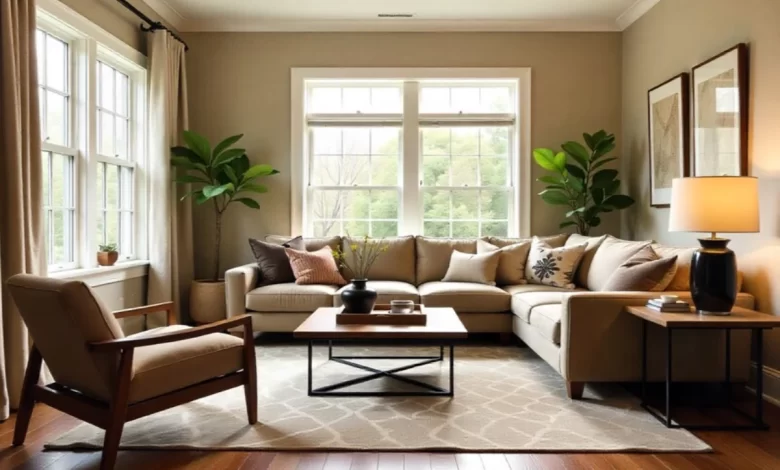
Decorating a living room starts with choosing the right rug size (front furniture legs should rest on it), adding conversation-friendly seating, and incorporating layered lighting. Balance your space with varied heights, textures, and a mix of old and new pieces to create an inviting atmosphere that reflects your personal style.
You stare at your living room, and something feels off. The furniture looked perfect in the store, but now it seems disconnected. The space lacks warmth despite your best efforts.
This happens because decorating a living room requires more than buying nice furniture. You need to understand scale, balance, and how different elements work together. This guide walks you through the essential steps to create a living room that looks professionally designed while reflecting your unique style.
Start With the Right Rug Size
Your rug anchors the entire room. Too small, and your space looks disjointed. Too large, and it overwhelms everything else.
The basic rule: your rug should extend at least 6 to 8 inches beyond your sofa on each side. All front legs of your seating furniture should rest on the rug. For most living rooms, this means you need a 9×12 or larger rug.
If you can’t afford a large rug right away, layer a smaller patterned rug over an inexpensive jute or sisal base. This creates visual interest while solving the size problem on a budget.
Create Conversation-Friendly Seating
Your living room exists for people to gather and talk. A single sofa facing a TV won’t cut it.
Add at least one accent chair positioned to face or angle toward your main seating. If space allows, place two chairs across from your sofa. This creates a natural conversation zone where guests don’t need to twist their bodies to engage.
Designers note that homeowners are shifting away from media-centered layouts toward conversational spaces. Your seating arrangement should encourage interaction, not just passive viewing.
For smaller spaces, position chairs at slight angles on either side of your sofa. This maintains the conversational flow without requiring a large footprint.
Choose the Right Coffee Table
Your coffee table should be approximately half the length of your sofa. The height should fall within 4 inches of your seat cushions, either higher or lower.
Consider the shapes already in your room. If you have straight lines everywhere, a round or oval coffee table breaks up the rigidity. If your space features curves, a rectangular table provides balance.
Skip the coffee table entirely if you have young children who need floor space for play. You can always add one later when your needs change.
Add Multiple Light Sources
Overhead lighting alone creates harsh shadows and an uninviting atmosphere. You need layers.
Place at least one table lamp and one floor lamp in your living room. This creates different height levels and allows you to control the mood. The bottom of your lampshade should sit at eye level when you’re seated, preventing glare.
Statement fixtures and layered lighting through sconces, chandeliers, and sculptural floor lamps are becoming standard in 2025. Mix ambient, task, and accent lighting to add dimension.
Turn off overhead lights in the evening. Multiple lamps create a warmer, more relaxing environment that helps you wind down.
Incorporate Black Accents Throughout
Black adds visual weight and contrast to any color scheme. You don’t need much, just strategic touches.
Spread black elements around the room in small doses: picture frames, vases, lamp bases, or furniture accents. This creates visual anchors that help your eye move through the space naturally.
Even in light, neutral rooms, delicate black pieces won’t feel heavy. They ground the design and add sophistication without overwhelming.
Style Your Throw Blankets Properly
A throw blanket draped across your sofa adds texture and warmth. How you style it matters.
For a casual look, fold your blanket lengthwise, then in half, and drape it over one arm or the back corner of your sofa. Make sure the folds aren’t perfectly aligned for a natural appearance.
If you prefer something more organic, grab the blanket slightly off-center and gently toss it onto the seat. You might need several attempts to get that effortless look.
Store extra blankets in a large basket near your seating. This keeps them accessible while maintaining a tidy appearance.
Use Trays to Corral Coffee Table Items
A tray transforms random objects into an intentional display. It also protects your table surface.
Choose a tray shape that contrasts with your coffee table. A rectangular wood tray works beautifully on a round table. A circular tray adds interest to a square surface.
Place your remote controls, a small plant, coasters, and a decorative object on the tray. This creates a cohesive vignette while keeping essentials within reach.
Mix Furniture Styles and Materials
Matching furniture sets look dated and impersonal. Your living room should tell a story.
Combine different wood tones, mixing warm and cool finishes throughout the space. Balance them by distributing similar tones to opposite sides of the room.
Pair modern pieces with vintage finds. A contemporary sofa gains character when flanked by antique side tables. Antiques are making a strong comeback in 2025, with designers mixing them alongside modern pieces to create spaces that tell a story.
Vary your materials too: leather, velvet, linen, metal, and wood all belong in the same room. The variety adds depth and prevents monotony.
Add Side Tables for Function
Don’t overlook side tables. They provide essential surface space for drinks, books, and lamps.
Your side table should be the same height as your sofa arm or slightly lower. It shouldn’t be deeper than your sofa depth, or it will protrude awkwardly into the room.
If your sofa floats in the middle of the room, add a console table behind it. This hides the sofa back while creating display space. Keep the console height equal to or a few inches shorter than the sofa back, leaving about 6 inches of space on each side.
Declutter and Use Hidden Storage
Too many decorative items create visual chaos. Your eye needs places to rest.
Display only pieces you genuinely love. Everything else belongs in hidden storage: cabinets, built-ins, ottomans with interior space, or a large media console.
This doesn’t mean your room should look sparse. It means each item on display should earn its place. Quality over quantity creates a more sophisticated appearance.
How to Decorate a Living Room With Proper Scale
Scale mistakes make rooms feel off, even when you can’t pinpoint why.
Artwork above your sofa should span two-thirds to three-quarters of the sofa’s width. Anything smaller looks like an afterthought. Group smaller pieces together to create one large visual unit if needed.
Pillows should vary in size. Use 20-inch to 24-inch pillows on standard sofas. Mix in 18-inch pillows for variety, but avoid anything smaller unless you have a small loveseat.
Select a Cohesive Color Palette
You don’t need to match everything, but you do need a common thread.
Choose 2 to 3 main colors and repeat them throughout the room in different ways. One might appear in pillows, another in artwork, the third in a throw blanket. This creates visual harmony without being matchy.
Earthy tones continue to dominate 2025 color palettes, with maximalism embracing vibrant jewel tones like deep greens, purples, and golds. Moodier plums, greens, and mustards are replacing the bright whites that dominated previous years.
Natural materials in warm browns, rust, and muted greens create an inviting atmosphere. These hues work particularly well when you want a calming environment.
Create Distinct Zones in Open Spaces
If your living room flows into other areas, define separate zones without walls.

Use your rug to establish the living room boundary. Add furniture placement that creates natural pathways around the space rather than through it.
Different lighting in each zone reinforces the separation. The living area might have table lamps, while the dining space uses pendant lights.
Add Living Elements
Plants breathe life into any room. They soften hard edges and improve air quality.
Choose low-maintenance options if you’re not an experienced plant parent: pothos, snake plants, or ZZ plants all tolerate neglect. Place larger plants in corners to fill empty vertical space.
Fresh flowers on your coffee table or console add color and natural fragrance. Even dried arrangements or branches bring organic texture without maintenance.
Update Your Throw Pillows
Those matching pillows that came with your sofa need to go. They signal that you haven’t personalized your space.
Mix patterns, textures, and sizes. Start with one patterned pillow, add a solid velvet or linen, then include a textured option like cable knit or faux fur. Make sure your colors connect to other elements in the room.
Use 4 to 6 pillows on a standard sofa, 3 to 4 on a loveseat. Odd numbers often look more natural than even arrangements.
Leave Breathing Room
Furniture pushed against every wall creates tension, not space. Your room needs air.
Leave 16 to 18 inches between your coffee table and sofa for comfortable movement. Maintain clear pathways at least 30 inches wide throughout the room.
Float your sofa away from the wall by 6 to 12 inches if possible. This simple change makes your space feel more intentional and less like a waiting room.
FAQs
How much should I spend on a living room sofa?
Spend on quality for pieces you use daily. Your sofa should be comfortable and durable since you’ll sit on it for years. Budget pieces work fine for accent chairs and decorative items you can easily replace.
What size art should hang above my sofa?
Your artwork should span two-thirds to three-quarters of your sofa’s width. For an 84-inch sofa, aim for art that measures 56 to 63 inches wide. Gallery walls work well if individual pieces are too small.
How do I make a small living room look bigger?
Use a large rug (counterintuitively, small rugs make spaces feel cramped), hang curtains at ceiling height, and add mirrors to reflect light. Keep furniture scaled appropriately and avoid cluttering surfaces.
Should all my wood furniture match?
No. Matching wood tones looks flat and uninspired. Mix warm and cool wood finishes throughout the room, distributing similar tones to create balance rather than matching everything exactly.
How many lamps do I need in a living room?
At a minimum, include one table lamp and one floor lamp. Larger rooms benefit from additional sources. The goal is to create pools of light at different heights rather than relying on a single overhead fixture.