What Does Contingent Mean in Real Estate? Complete 2026 Guide
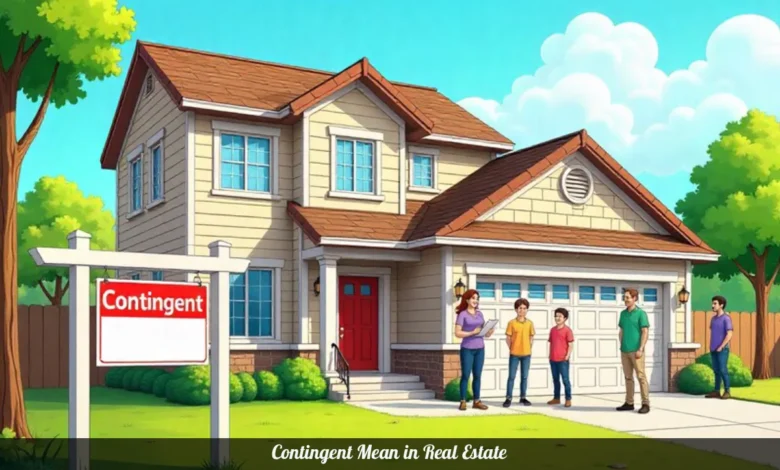
Contingent in real estate means the seller accepted an offer, but the sale depends on specific conditions being met first. Common contingencies include home inspections, financing approval, appraisals, and title searches. If these conditions fail, buyers can walk away without penalty. The home remains under contract but is not officially sold.
You spot your dream home online. The price fits your budget. The location checks every box. Then you notice the listing status: “Contingent.”
Does this mean the house is sold? Can you still make an offer? What exactly does contingent status tell you about a property’s availability?
This guide explains what contingent means in real estate, breaks down common contingency types, and shows you when a contingent home might still become yours.
Understanding Contingent Status in Real Estate
When a property shows a contingent status, the seller has accepted a buyer’s offer. The deal isn’t final yet. Specific conditions must be satisfied before the transaction can close.
Think of contingent as a conditional agreement. The seller said yes to the buyer’s terms, but that yes comes with requirements. If those requirements aren’t met, either party can cancel the contract without penalties.
According to data from the National Association of Realtors in June 2024, only 5% of all purchase contracts fell through in the previous three months. Your chances of closing remain high even with contingencies in place.
Real estate databases like the Multiple Listing Service (MLS) track these statuses. Agents and buyers check these systems to monitor where properties stand in the sales process.
Common Types of Real Estate Contingencies
Buyers typically include several standard contingencies in their offers. Each one protects them from specific risks during the purchase process.
Home Inspection Contingency
This gives buyers time to hire a licensed inspector who evaluates the property’s condition. Inspectors check foundations, roofs, plumbing, electrical systems, HVAC units, and structural integrity.
According to the 2024 Zillow Consumer Housing Trends Report, about two-thirds of buyers (66%) reported that their final offer was contingent on the property passing a home inspection.
If the inspector discovers major problems, buyers can:
- Request that the seller fix the issues
- Negotiate a lower purchase price
- Walk away from the deal completely
Minor issues rarely derail sales. Foundation cracks, failing HVAC systems, or extensive water damage might prompt renegotiation or cancellation.
Financing Contingency
According to NAR, 74% of recent buyers financed their home purchase in 2024, making financing contingencies extremely common. This clause protects buyers who need mortgage approval to complete the purchase.
If the lender denies the loan application or reduces the approved amount below the purchase price, the buyer can cancel without losing their earnest money deposit.
Purchase mortgages today are taking over 40 days to close on average. Lenders verify income, employment, credit scores, and debt-to-income ratios during this period. Any significant changes to a buyer’s financial situation can jeopardize loan approval.
Appraisal Contingency
About half of buyers (56%) said their offer was contingent on securing financing, while 52% included a contingency on the property appraising at a minimum amount.
Lenders require professional appraisals to confirm the home’s market value. They won’t loan more than a certain percentage of the appraised value. If the appraisal comes in below the agreed purchase price, several outcomes can occur:
- Buyers renegotiate for a lower price
- Buyers increase their down payment to cover the gap
- Sellers reduce the asking price
- The deal falls through
In competitive markets with rapid price increases, appraisal gaps happen frequently. Cash buyers avoid this contingency entirely since they don’t need lender approval.
Title Contingency
Title searches verify the seller legally owns the property and can transfer ownership without complications. Title companies investigate liens, unpaid property taxes, easements, ownership disputes, and legal claims against the property.
Common title issues include:
- Unpaid contractor liens
- Divorce settlements listing ex-spouses as co-owners
- Estate complications when deceased owners never transferred the deed
- Boundary disputes with neighbors
- Unpaid HOA fees
Sellers must resolve these issues before the sale can proceed. If they can’t clear the title, buyers can cancel the purchase.
Home Sale Contingency
Some buyers need to sell their current home before they can afford the new property. This contingency gives them time to complete that sale.
This creates the riskiest situation for sellers. Your home sale depends on your buyer’s buyer following through. You have no control over that third-party transaction.
In recent years, the percentage of all-cash sales has increased nationwide from about 15% to 26% in 2024 due to a combination of heightened market competition, low inventory, and high mortgage rates. Cash offers eliminate financing and home sale contingencies, making them more attractive to sellers.
Different Contingent Listing Statuses Explained
The contingent label comes with sub-statuses that tell you more about the seller’s openness to additional offers.
Continue to Show (CTS)
Properties marked “Contingent: Continue to Show” or “CCS” remain actively marketed. The seller’s agent continues scheduling showings and may accept backup offers.
This status signals uncertainty. The seller or their agent doubts whether the current buyer can satisfy all contingencies. They’re protecting themselves by keeping other options available.
You can view these homes and submit backup offers. If the first deal collapses, your offer moves to the front of the line.
No Show
“Contingent: No Show” means the seller stopped showing the property and won’t consider new offers. The seller feels confident that the current buyer will meet all contingencies successfully.
Your chances of buying this property are minimal unless something unexpected happens.
Kick-Out Clause
This contingency includes a deadline. If the buyer doesn’t satisfy all contingencies by that date, the seller can cancel the agreement and move to backup offers.
Kick-out clauses commonly appear with home sale contingencies. The seller might give the buyer 30 or 60 days to sell their current home. If that deadline passes without a sale, the contract terminates.
Active Under Contract
Some MLS systems use this status instead of contingent. It means the same thing: the property has an accepted offer with outstanding contingencies.
Contingent vs Pending: What’s the Difference?
People often confuse contingent and pending statuses. The distinction matters when you’re evaluating whether to pursue a property.
Contingent means conditions still need to be met. The buyer must complete inspections, secure financing, or satisfy other requirements before the sale can proceed.
Pending means that contingencies have been satisfied, and the deal is expected to close as planned. All major hurdles have been cleared. Both parties are moving toward closing.
Pending properties rarely return to the market. According to data compiled by the National Association of Realtors, it’s estimated that about 5% of pending offers fall through. Your odds of snagging a pending home are extremely low.
Pending Sub-Statuses
Pending listings also have variations:
Pending: Taking Backups – The seller will still consider backup offers despite being confident about closing.
Pending: Short Sale – The seller owes more on their mortgage than the home’s worth. They need lender approval to sell at a loss, which can take months.
Pending: No Show – The seller stopped all showings and won’t entertain additional offers.
Pending: More Than 4 Months – The transaction has been pending for an unusually long time, possibly due to delays or the agent forgetting to update the status.
Can You Make an Offer on a Contingent House?
Yes. You can submit offers on contingent properties anytime.
Your offer might get ignored if the seller feels confident about the current deal. But if the seller added a “Continue to Show” status, they’re actively seeking backup offers as insurance.
Real estate agents often advise interested buyers to tour contingent homes and prepare backup offers. According to sellers in a 2024 Zillow survey, the most common reason why an offer fell through was issues with money, mortgage, or financing (40%). Financing problems remain unpredictable until the very end.
Your backup offer should be strong. Get pre-approved for a mortgage. Make a substantial earnest money deposit. Minimize your own contingencies if possible. These actions show sellers you’re serious and capable of closing quickly if the first buyer fails.
Should You Wait for a Contingent Home?
This depends on your timeline, the local market conditions, and how perfectly the property fits your needs.
Consider waiting if:
- The home matches your criteria better than anything else available
- The listing shows “Continue to Show” status
- Your agent has insight suggesting the current deal might collapse
- You have time to explore other options while monitoring this property
Move on if:
- The status shows “No Show”
- Other comparable homes are available
- You need to close quickly
- The seller seems confident about the current buyer
Your agent can often gather intelligence about the current deal. How long has it been contingent? What contingencies remain unsatisfied? Is the buyer struggling with financing? This information helps you make informed decisions.
How Buyers Can Strengthen Their Contingent Offers
Making your offer stand out increases the chances a seller will accept it as a backup or choose it over a weaker primary offer.
Get Pre-Approved, Not Just Pre-Qualified – Pre-approval involves a thorough review of your finances by a lender. Pre-qualification is just an estimate. Sellers trust pre-approved buyers more.
Increase Your Earnest Money Deposit – Larger deposits demonstrate serious intent. If you back out for reasons outside the contingencies, you forfeit this money. Most buyers deposit 1-3% of the purchase price.
Shorten Contingency Periods – Instead of requesting 30 days for inspections, ask for 10-14 days. This shows you’ll move quickly and reduces the seller’s uncertainty.
Waive Minor Contingencies – If you’re confident about financing or willing to accept inspection results, waiving these contingencies makes your offer more appealing. This increases your risk but might be necessary in competitive markets.
Offer Flexibility on Closing Dates – Let the seller choose their preferred closing timeline. This accommodation costs you nothing but provides significant value to sellers with specific moving needs.
Write a Personal Letter – Some sellers care about who buys their home. A brief, genuine letter explaining why you love the property might tip the scales in your favor.
What Sellers Should Know About Accepting Contingent Offers
As of November 2024, only 6% of real estate contracts were terminated. Most contingent offers do close successfully.
Contingencies create some uncertainty. Buyers can cancel until they satisfy all conditions. You might lose weeks or months of marketing time if the deal falls through.
Evaluate each offer carefully:
Financing Contingency – Review the buyer’s pre-approval letter. Check the lender’s reputation. Verify the buyer’s down payment amount. Higher down payments mean less financing risk.
Inspection Contingency – Expect buyers to request repairs after inspections. Decide in advance what repairs you’re willing to make or what price reductions you’d accept.
Home Sale Contingency – Ask about the buyer’s current home. Is it listed? What’s the asking price? How long has it been on the market? These details reveal whether the buyer can likely sell their property quickly.
Appraisal Contingency – Properties in stable markets rarely have appraisal issues. If you’re in a hot market with rapidly rising prices, the risk increases.
Consider adding a kick-out clause to protect yourself. This lets you continue marketing and accept a better offer if the first buyer can’t meet contingencies within a specific timeframe.
Recent Market Trends Affecting Contingencies
The real estate market in 2025-2026 shows interesting patterns around contingencies.
Despite this, 22% of all buyers opted to waive the inspection contingency in November 2024. Competitive markets push some buyers to take risks they wouldn’t normally accept.
The least common contingency involved a mortgage rate buydown, with about a quarter of buyers (24%) securing this concession in their final offer. Rate buydowns help buyers qualify for larger loans when interest rates are high.
Cash buyers have gained market share because they eliminate financing contingencies. Sellers prefer certainty over higher offers with risky contingencies.
Inventory remains tight in many markets. Sellers receive multiple offers and can choose buyers with fewer contingencies. This gives sellers significant negotiating power.
Final Thoughts
Contingent doesn’t mean sold. It means conditionally accepted. The difference creates opportunities for patient buyers and requires careful consideration from sellers.
Most contingent offers do close successfully. The conditions protect buyers from discovering expensive problems after purchase. They also give buyers exit routes if circumstances change.
If you find a contingent home you love, ask your agent about the situation. Tour the property. Prepare a backup offer if the seller’s accepting them. Watch the listing status for changes.
As a seller, understand that contingencies are normal parts of most transactions. They don’t necessarily mean the deal will fail. Evaluate each buyer’s financial strength and contingency timeline before accepting or rejecting offers.
Working with an experienced real estate agent helps you navigate contingent situations strategically, whether you’re buying or selling.
FAQs
How long do contingency periods typically last?
Contingency periods usually range from 7 to 21 days, depending on what’s negotiated. Inspection contingencies often get 10-14 days. Financing contingencies might extend 30-45 days since mortgage approval takes time. Home sale contingencies can last 30-90 days.
Can sellers back out of accepted contingent offers?
Sellers can back out only if the buyer fails to meet contingency deadlines or if the contract includes a kick-out clause allowing the seller to accept better offers. Sellers can’t simply change their minds without legal grounds specified in the contract.
What happens to earnest money if contingencies aren’t met?
Buyers who cancel within contingency periods get their earnest money back. If buyers cancel outside contingency periods or for reasons not covered by contingencies, they forfeit their earnest money to the seller.
Should buyers waive contingencies to compete in hot markets?
Waiving contingencies carries significant risk. You might buy a home with expensive hidden problems or pay more than it’s worth. Only waive contingencies if you can afford worst-case scenarios. Cash reserves for unexpected repairs or appraisal gaps protect you.
What’s the difference between contingent and under contract?
Under contract is a broader term meaning the seller accepted an offer and both parties signed a purchase agreement. Contingent is a specific type of under-contract status where conditions must still be satisfied before closing.