Contemporary Home Design: What It Is and How to Get It Right
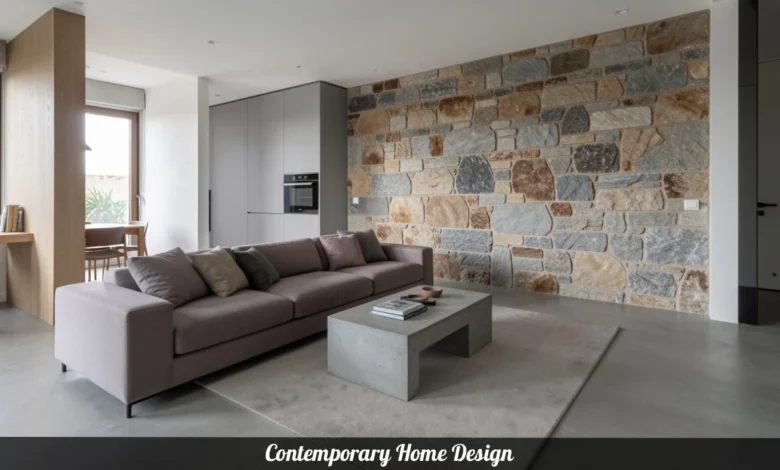
Contemporary home design refers to the style of the present day. It is defined by clean lines, open layouts, natural light, and a mix of organic materials like wood, stone, and steel. Unlike modern design, which is fixed to a specific era, contemporary style keeps changing to reflect current tastes. In 2026, it also weaves in smart technology, sustainability, and personalized touches that go well beyond minimal white walls.
What Contemporary Home Design Actually Means
Most people use “modern” and “contemporary” as if they mean the same thing. In home design, they don’t.
Modern design refers to a fixed period, roughly the early to mid-20th century. Think Bauhaus, midcentury furniture, and the work of architects like Le Corbusier. Contemporary design, by contrast, has no fixed anchor in time. It simply describes what is current right now.
That distinction matters if you’re planning a renovation or building from scratch. A contemporary home in 2026 looks very different from a contemporary home in 2005, because the style evolves with the times. It reflects current values: sustainability, flexibility, technology, and personal expression.
Interior designer Erin Sander, founder of Erin Sander Design, puts it plainly: contemporary design emerged after the mid-century modern movement and has since developed its own clear identity. Where modern design is formal and structured, contemporary design is more fluid and willing to mix.
How Contemporary Differs from Modern Design
The confusion between the two styles is common. Both use clean lines and open plans. Both favor natural light and minimal clutter. But the differences show up in the details.
Modern homes tend to use warm, natural materials, wood, leather, and stone, often paired with materials that were groundbreaking at the time, like chrome and molded plastic. The palette leans earthy: rust, olive, warm brown.
Contemporary homes take a fresher approach. Polished wood sits next to steel, concrete, and travertine. The color palette reaches for cooler, cleaner tones: crisp whites, soft grays, and stark black-and-white contrasts. Jewel tones or highly saturated accent colors sometimes highlight architectural details.
Architecturally, modern design is rigid and formal. Contemporary design loosens that structure. You’ll find asymmetrical facades, curves, and irregular shapes, elements that would feel out of place in a strict modern build.
Core Features of Contemporary Home Design
Whether you’re building new or updating an existing space, these are the defining features of contemporary design:
- Open floor plans. Walls between living, dining, and kitchen areas are removed or reduced. The space flows, which makes it feel larger and encourages connection between rooms.
- Large windows and glass elements. Oversized windows, glass doors, and skylights bring natural light deep into the home. This reduces the need for artificial lighting during the day and creates a strong visual link between inside and outside.
- Natural and mixed materials. Contemporary homes combine organic textures, wood, stone, and concrete with sleek finishes. Exposed brick or raw concrete can appear indoors as both structure and style.
- Neutral base with bold accents. Walls and floors tend to stay clean and quiet. Statement pieces, a sculptural pendant light, and a single-color sofa in a rich jewel tone carry the visual interest.
- Smart home integration. Hidden charging stations, connected lighting, and smart climate systems are built in rather than added on. According to Thumbtack’s 2026 Home Trend Predictions Report, tech-integrated homes are among the top renovation priorities for homeowners this year.
- Indoor-outdoor connection. Sliding glass doors, covered patios, and landscaping that mirrors the interior palette help blur the line between inside and outside.
Contemporary Home Design Trends in 2026
Contemporary design is always moving. Right now, several clear directions are shaping what this style looks like in homes being built and renovated today.
Sustainability is no longer optional. Architects and homeowners increasingly treat passive design, material honesty, and energy efficiency as standard rather than special features. According to research from Homestyler, which analyzed over 18 million user projects worldwide, contemporary style remains one of the top three most popular design categories globally in 2026, alongside modern and luxury. That popularity is being reinforced by a growing preference for eco-conscious materials and low-impact construction.
Flexible, right-sized layouts are in demand. Data from Houseplans.com shows that in 2025, half of all house plans sold were between 1,000 and 1,999 square feet, up from 48% the year before. Homeowners are choosing quality over quantity, prioritizing thoughtful storage and layouts that work harder for everyday life.
Warmth is replacing stark minimalism. The all-white contemporary interior is fading. London architect Mike McMahon notes that ornamentation is making a return, with sculpted surfaces and tactile finishes bringing more character to facades and interiors. Inside, earthy yellows, warm stone tones, and layered palettes are replacing the cool, stark whites that defined contemporary design for years.
Biophilic elements are standard. Green walls, indoor gardens, natural wood, and stone textures are now expected rather than exceptional. Thumbtack’s 2026 survey of over 100 design and construction professionals found that indoor-outdoor harmony and natural design are among the top renovation trends homeowners are pursuing this year.
Tech that stays hidden. Smart systems are increasingly built into walls and furniture rather than mounted on surfaces. The goal is a home that functions intelligently without drawing attention to its tech.
How to Bring Contemporary Style to Your Home
You don’t need to rebuild from the ground up to get a contemporary look. Interior designer Brad Ramsey, of Brad Ramsey Interiors, recommends starting by simplifying. “The core of contemporary design is rooted in modernism, avoiding excess or clutter,” he says. “Simplifying your space to create a clean, uncluttered canvas and then strategically choosing your focal points is a great idea.”
Here is a practical approach to shifting your space toward contemporary design:
- Declutter first. Remove anything that doesn’t serve a clear purpose or hold strong visual weight. Contemporary rooms carry impact through a few deliberate choices, not many small ones.
- Choose a neutral base. Paint walls in soft whites, warm grays, or muted earthy tones. Let the backdrop stay quiet so your key pieces stand out.
- Invest in one or two statement pieces. A sculptural chandelier, a concrete coffee table, or a single large piece of art can anchor a room without overwhelming it.
- Update your materials. Swap out heavy, ornate hardware for clean metal finishes. Consider adding a wood shelf, stone countertop, or textured rug to bring in natural elements.
- Address your windows. If your windows are small, explore whether enlarging them is feasible. If not, keep window treatments simple; linen or sheer panels work well to let in as much light as possible.
- Add smart lighting. Dimmable fixtures and layered lighting (ambient, task, and accent) give you control over the mood of a room without changing the structure.
For those planning a full renovation or new build, prioritizing the open plan layout and indoor-outdoor connection early in the design process will have the most impact on how the finished home feels.
FAQs
What is the difference between contemporary and modern home design?
Modern design refers to a historical period, roughly the 1920s to 1960s, and has a fixed aesthetic. Contemporary design means “of right now” and shifts with current trends. Both use clean lines and open plans, but contemporary design is more flexible in form and material choices.
Is contemporary home design more expensive?
It can be, depending on the materials and technology you choose. Sustainable materials, smart home systems, and large-format windows carry higher upfront costs. However, energy-efficient features often reduce long-term utility costs, and the clean, minimal nature of contemporary design can actually simplify finishes and reduce overall decoration budgets.
Does contemporary design work in older or smaller homes?
Yes. Contemporary design principles, decluttering, natural light, neutral palettes, and a few strong focal points work in any size or age of home. You don’t need high ceilings or large square footage. The style is about how a space functions and feels, not just how it looks.
What colors define contemporary home design in 2026?
The 2026 palette has shifted away from stark white toward warmer, softer tones. Pantone’s 2026 Color of the Year is Cloud Dancer, a calm, serene white. Alongside it, designers are using warm stone, ocher, muted wood tones, and jewel-tone accents like deep emerald and rich charcoal.
How does contemporary design affect resale value?
Homes with clean layouts, updated kitchens, smart technology, and strong indoor-outdoor connections are consistently among the highest-performing properties at resale. According to Thumbtack’s 2026 report, hidden tech upgrades and smart lighting are specifically expected to drive resale value in the year ahead.