Contemporary Comfort Mipimprov: Transform Your Space Into a Modern Haven
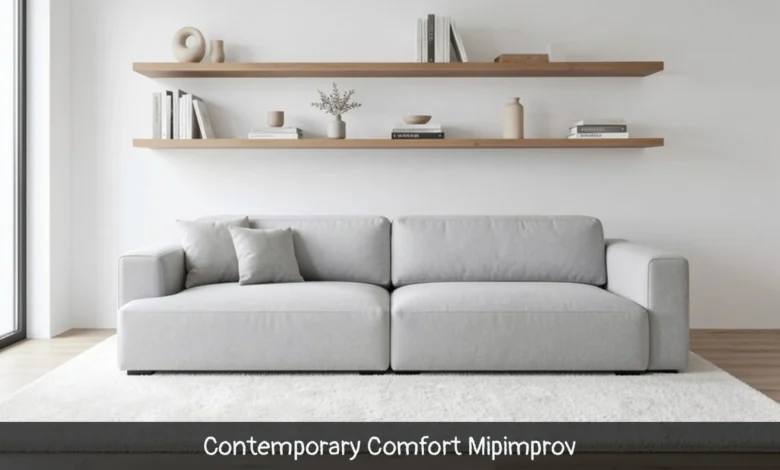
Contemporary Comfort Mipimprov blends minimalist design with improvised comfort to create adaptable living spaces. This modern lifestyle approach combines clean aesthetics, smart technology, eco-friendly materials, and flexible functionality to turn your home into a personalized sanctuary that evolves with your changing needs.
Your home should work for you, not against you. Remote work, smaller living spaces, and multi-functional rooms have changed what we expect from our homes.
Contemporary Comfort Mipimprov addresses these changes directly. This design philosophy merges modern aesthetics with practical improvisation, creating spaces that adapt to your life while maintaining style and comfort.
What Makes Contemporary Comfort Mipimprov Different
The term “Mipimprov” combines three core concepts: minimal, improvised, and improved. You’re not following strict rules or copying showroom setups. Instead, you create spaces that respond to how you actually live.
Your living room transforms from workspace to relaxation zone within minutes. Your bedroom provides both restful sleep and productive mornings. Every room serves multiple purposes without feeling cluttered or chaotic.
This approach prioritizes adaptation over perfection. Your space evolves as your needs change, requiring small tweaks rather than complete overhauls.
Core Elements That Define the Style
Clean Lines Meet Cozy Textures
Modern design often feels cold. Contemporary Comfort Mipimprov solves this by layering warmth onto minimal foundations. Start with neutral palettes and uncluttered layouts, then add texture through materials.
Plush wool rugs soften hard floors. Velvet cushions make sleek sofas comfortable. Natural wood accents break up sterile white walls. The result feels both sophisticated and welcoming.
Your furniture serves dual purposes. An ottoman with hidden storage holds blankets while providing extra seating. A coffee table with shelving displays books and keeps remote controls organized.
Smart Technology That Actually Helps
Technology enhances daily life without overwhelming it. You don’t need every gadget. Focus on tools that solve real problems.
Smart thermostats adjust temperature based on your schedule, cutting energy bills by 10-23% according to EPA research. Voice-activated lighting lets you set the mood without leaving your seat. Automated blinds wake you gently with natural light.
Security systems provide peace of mind. Energy monitors show exactly where you waste electricity. The technology stays invisible until you need it.
Eco-Friendly Choices That Last
Sustainability drives material selection. Choose durable items that reduce replacement cycles rather than disposable, trendy pieces.
Bamboo flooring grows faster than hardwood and looks equally elegant. Recycled metal furniture frames last for decades while reducing waste. Low-VOC paints improve indoor air quality without sacrificing color options.
LED bulbs use 75% less energy than incandescent alternatives and last 25 times longer. Solar panels offset electricity costs over time.
Room-by-Room Implementation Guide
Living Room: Flexibility First
Your living room handles work meetings, family movie nights, and solo reading time. It needs to adapt quickly.
Modular sofas rearrange for different group sizes. Individual sections move around the room or stack for storage. You’re never locked into one configuration.
Layered lighting proves essential. Overhead fixtures provide bright task lighting. Floor lamps create a soft ambiance. Dimmable switches adjust intensity based on activity.
Floating shelves display decorative items without taking up floor space. Benches with lift-top seats hold games and blankets out of sight.
Bedroom: Restorative Sanctuary
Your bedroom influences sleep quality and morning productivity. Create spaces that support both rest and readiness.
Ergonomic mattresses align your spine while feeling plush. Blackout curtains block disruptive light. Smart alarm clocks simulate sunrise for gentler waking.
Soft blues and greens reduce cortisol levels and promote relaxation. Muted earth tones ground the space without feeling heavy. Keep surfaces clear—nightstands hold only essentials.
Kitchen: Efficient Functionality
Modern kitchens balance cooking efficiency with social gathering. You need a workspace that handles meal prep without feeling commercial.
Energy-efficient appliances save money long-term. ENERGY STAR-certified refrigerators use 15% less energy than standard models. Induction cooktops heat faster while using less electricity.
Open shelving displays attractive dishware. Closed cabinets hide less photogenic necessities. Stone countertops withstand daily use while looking elegant. Wooden bar stools invite conversation.
Home Office: Productive Comfort
Remote work demands a dedicated workspace that doesn’t sacrifice comfort for productivity.
Adjustable desks let you alternate between sitting and standing. Studies show this reduces back pain by 54% and improves focus. Position your desk near windows when possible.
Indoor plants improve air quality while reducing stress. NASA research found certain plants remove up to 87% of air toxins in 24 hours. Choose low-maintenance options like pothos or snake plants.
Bathroom: Daily Luxury
Small upgrades create spa-like experiences without major renovation.
Rain showerheads transform routine washing into relaxation. Heated floors eliminate cold tile on winter mornings. Smart mirrors with built-in lighting ensure perfect grooming.
Sustainable tiles use recycled glass or reclaimed materials. Bamboo bath mats resist mold better than cotton. Store backup toiletries in cabinets to reduce visual clutter.
Common Mistakes to Avoid
Over-Minimizing Comfort
Some people create showrooms instead of homes. Your space needs personality and warmth. Keep items that bring joy or serve clear purposes.
Furniture must support your body properly. A beautiful chair that hurts your back after 20 minutes fails the comfort test. Test seating for at least 10 minutes before buying.
Technology Overload
Choose technology based on actual problems you face. If you forget to lock doors, smart locks help. If temperature changes don’t bother you, skip the expensive thermostat.
Keep user interfaces simple. Complexity creates frustration rather than convenience.
Ignoring Personal Style
Your space should reflect who you are, not what design blogs say you should like. The improvisation aspect means adapting principles to your preferences.
Love bold colors? Use them as accent walls. Prefer maximalist decoration? Group collections together for impact. Modern doesn’t require monochrome.
Maintenance Strategies for Long-Term Success
Regular Decluttering Rhythms
Use the “one in, one out” rule. When something new enters your home, something old leaves. This maintains balance without constant purging.
Schedule seasonal reviews. Every three months, remove items you haven’t used. Donate, sell, or discard as appropriate.
Flexible Systems That Adapt
Your needs change over time. Design systems that accommodate these transitions.
Invest in modular storage that reconfigures easily. Shelf heights adjust for different item sizes. Choose neutral base colors for major elements. Refresh your space with new throw pillows instead of repainting.
Cleaning Routines That Work
Daily five-minute resets prevent overwhelming messes. Put items back, wipe counters, straighten cushions. Small, consistent actions beat marathon cleaning sessions.
Weekly deep cleans target specific areas. Breaking tasks into focused sessions makes them manageable.
Budget-Friendly Starting Points
You don’t need thousands to implement Contemporary Comfort Mipimprov.
Rearrange existing furniture to improve flow. Free changes often create the biggest impact. Add plants for instant life and color. A $15 pothos vine grows quickly and purifies the air.
Update lighting with new bulbs. Switch to warm-white LEDs in living spaces and bright-white in work areas. Bulbs cost $5-10 but dramatically shift the room’s mood.
Paint one accent wall. A single gallon runs $30-50 and takes one afternoon. Shop secondhand for quality pieces. Vintage furniture often surpasses new budget options.
How This Approach Affects Daily Life
Mental Health Benefits
Organized, attractive spaces reduce stress hormones by 8-11% according to UCLA research. Personalized environments boost happiness and create a sense of accomplishment.
Natural light and plants improve mood measurably. Studies show daylight exposure reduces depression symptoms by 30%. Indoor greenery lowers anxiety and increases focus.
Productivity Improvements
Ergonomic workspaces reduce physical discomfort that breaks concentration. Designated zones for different activities create mental associations that make task switching easier.
Reduced visual clutter decreases cognitive load. Your mind processes fewer distractions, leaving more energy for important work.
Environmental Impact
Energy-efficient choices cut carbon footprints by 20-30% in typical homes. Durable furniture prevents landfill waste. Americans discard 12 million tons of furniture annually.
Sustainable materials support responsible manufacturing. Bamboo regenerates in 3-5 years versus 20-30 years for hardwood.
Final Thoughts
Contemporary Comfort Mipimprov offers a practical blueprint for modern living. You create spaces that balance aesthetics with functionality, style with comfort, and permanence with flexibility.
The approach respects how you actually live rather than forcing you into predetermined design boxes. Your space evolves as you evolve. Small, consistent improvements compound into meaningful transformation.
Start where you are with what you have. Choose one room, make one change, and build from there. Your home becomes a genuine reflection of who you are and how you want to live.
FAQs
What does Mipimprov actually mean?
Mipimprov combines minimal, improvised, and improved. You create clean spaces that adapt to changing needs through continuous small adjustments rather than rigid design rules.
Can renters implement this approach?
Absolutely. Focus on removable wallpaper, freestanding furniture, and portable smart devices. You can transform rented spaces without permanent modifications.
How much should I budget for transformation?
A single room refresh might cost $500-2000. Whole-home updates range from $3000-15000. Start with one space and expand as the budget allows.
Does this work for small apartments?
Small spaces benefit most. Multi-functional furniture and smart storage maximize every square foot. The flexibility helps compact homes serve multiple purposes efficiently.
How long does implementation take?
You’ll see changes in days with simple updates like decluttering. Complete transformations take 3-6 months as you acquire pieces and establish new habits.