Complete Guide to Concrete Wall Retaining: Costs, Methods, and Expert Tips for 2025
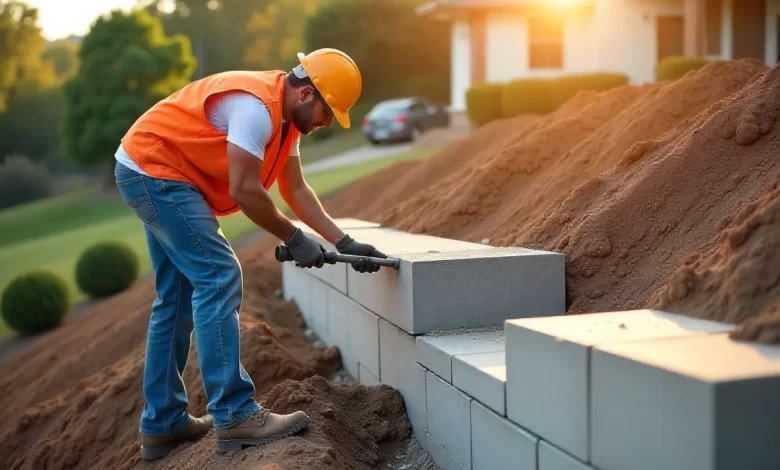
Concrete wall retaining structures cost $20-50 per square foot, with poured concrete offering superior durability and concrete blocks providing design flexibility. Both methods prevent soil erosion and create level landscaping areas, with poured walls lasting 50-100 years and requiring professional installation.
Your sloped yard challenges your landscaping dreams. Concrete wall retaining transforms unstable slopes into stable, usable outdoor spaces while preventing costly soil erosion damage.
You’ll discover the real costs, construction methods, and practical tips for choosing between poured concrete and block systems. This guide covers everything from permits to maintenance, helping you make the right investment for your property.
Concrete Wall Retaining Costs for 2025
Installing a concrete retaining wall costs $20 to $50 per square foot on average, with a typical 50-foot wall costing $4,000 to $10,000. Your final price depends on wall height, soil conditions, and construction method.
Detailed Cost Breakdown
Poured Concrete Walls:
- Materials: $8-15 per square foot
- Labor: $10-25 per square foot
- Total: $25-45 per square foot
Concrete Block Walls:
- Materials: $6-12 per square foot
- Labor: $8-18 per square foot
- Total: $20-35 per square foot
Additional Expenses You Must Consider
Permits cost $40-200 for walls taller than 4 feet in most areas. Site preparation adds $5-10 per square foot for excavation and grading. Drainage systems require another $8-15 per linear foot but prevent future water damage.
Professional soil testing costs $300-800 but identifies potential foundation issues before construction begins. Rebar reinforcement adds $1.50-2.50 per square foot for structural integrity.
Poured Concrete Wall Retaining Systems
Poured concrete creates monolithic walls with superior strength and waterproofing capabilities. This method works best for tall walls and areas with high water pressure.
Construction Process
The installation begins with excavating a foundation trench 24-36 inches deep. Workers place rebar grids and pour concrete footings to create the foundation. Next, they build wooden forms and pour concrete around steel reinforcement to form the wall structure.
“Making a poured concrete retaining wall is effective and comes with several advantages… A concrete footing has to be made to stabilize the wall, and concrete is poured over rebar and mesh within a framed mold to create a strong, durable structure,” according to concrete construction professionals.
Advantages of Poured Concrete
Exceptional Durability: Concrete retaining walls last 50 to 100 years on average, making them a long-term investment. The monolithic structure resists cracking and shifting better than segmental walls.
Height Capabilities: Poured walls handle heights up to 20 feet without requiring complex engineering modifications. The continuous foundation distributes loads evenly across the entire structure.
Waterproofing Options: You can apply waterproof coatings and membranes during construction to prevent moisture infiltration completely.
Limitations to Consider
Poured concrete walls require “special labor” and involve “a risky process” where “a lot can go wrong in the installation process, such as cracks and bulges”. Design flexibility remains limited compared to block systems.
Weather delays construction since concrete cannot be poured in freezing temperatures or heavy rain. Mistakes during pouring often require complete reconstruction rather than simple repairs.
Concrete Block Wall Retaining Solutions
Concrete blocks offer design versatility and easier installation for most residential projects. These precast units interlock to create stable retaining structures.
Block Types and Applications
Standard Concrete Blocks: Gray blocks cost $2-4 each and work for basic retaining needs up to 4 feet high.
Interlocking Blocks: These engineered units cost $3-8 each but create stronger connections without mortar.
Decorative Blocks: Textured and colored options cost $5-12 each, providing architectural appeal.
Installation Advantages
Block installation is “simple, and the maintenance afterwards is minimal” compared to poured concrete systems. You can complete small projects as DIY installations with proper planning.
The modular design allows for curved walls and step configurations that follow natural landscape contours. Color and texture options create attractive finishes that complement existing hardscaping.
Repair and Maintenance Benefits
Block walls are “easier to repair” since “the wall can be disassembled and reinstalled with the existing materials being reused”. This reduces long-term maintenance costs significantly.
Individual blocks can be replaced without affecting the entire wall structure. Regular cleaning with pressure washing maintains appearance and prevents staining buildup.
Height and Engineering Requirements
Wall height determines engineering requirements and permit needs. Understanding these limits helps you plan appropriate retaining solutions.
Height Limitations by Type
Concrete Blocks: These walls “can only go as high as the height of the slopes they’re supporting, and walls above 4 feet need additional support behind them”.
Poured Concrete: Can exceed slope height due to continuous foundation design, handling walls up to 20 feet with proper engineering.
When Professional Engineering Becomes Necessary
Most areas require structural engineering for walls over 4 feet tall. The engineer calculates soil pressure loads and designs appropriate reinforcement systems.
Geotechnical analysis becomes critical for walls in clay soils or areas with high groundwater. Poor soil conditions may require deeper foundations or soil stabilization before construction.
Drainage and Waterproofing Strategies

Proper drainage prevents wall failure and extends service life. Water pressure behind retaining walls is the primary cause of structural problems.
Essential Drainage Components
Drain Pipes: Install 4-inch perforated pipes behind the wall at footing level. Slope pipes 1% toward daylight drainage points.
Filter Fabric: Wrap drainage aggregate in geotextile fabric to prevent soil infiltration and clogging.
Backfill Materials: Use clean gravel within 2 feet of the wall back, then transition to native soil.
Waterproofing Applications
Apply waterproof membranes to the soil-facing side of poured concrete walls. Use drainage mats between the membrane and backfill to channel water to drain pipes.
Block walls require different approaches since they allow controlled water passage through joints. Focus on foundation waterproofing and proper backfill drainage instead of trying to seal the entire wall face.
Permits and Code Compliance
Building codes regulate retaining wall construction to protect public safety. Understanding requirements prevents costly construction delays.
When Permits Are Required
Most areas require permits for walls taller than 4 feet, and some require them for 3-foot walls. Check local building departments before beginning any retaining wall project.
Commercial properties and walls near property lines face additional restrictions. Setback requirements may limit wall placement or require neighbor agreements.
Code Requirements Overview
Foundation Depth: Minimum foundation depth equals one-third of wall height below the finish grade.
Reinforcement: Steel reinforcement requirements increase with wall height and soil conditions.
Drainage: All retaining walls must include drainage systems to prevent hydrostatic pressure buildup.
Professional Installation vs DIY Approach
Project complexity determines whether you need professional installation or can complete the work yourself.
DIY-Friendly Projects
Concrete block walls under 3 feet tall on stable soil work well for DIY installation. You’ll need basic excavation tools, levels, and materials handling equipment.
Simple, straight walls without complex drainage requirements offer the best DIY success rates. Curved walls and stepped designs require more advanced layout skills.
When to Hire Professionals
Poured concrete walls require “experts like a landscaping architect or a structural engineer” due to construction complexity.
Walls over 4 feet tall, areas with poor drainage, and slopes with stability issues need professional assessment and installation. The cost of failure repairs far exceeds professional installation costs.
Material Selection and Quality Factors
Concrete quality affects wall performance and longevity. Understanding material specifications helps you make informed purchasing decisions.
Concrete Strength Requirements
Poured Walls: Use 3,000-4,000 PSI concrete with air entrainment for freeze-thaw resistance.
Block Selection: Choose blocks with a minimum of 1,900 PSI compressive strength for retaining applications.
Reinforcement Steel: Use Grade 60 rebar with proper concrete cover to prevent corrosion.
Quality Indicators to Check
Inspect blocks for cracks, chips, and consistent dimensions before installation. Reject units with visible defects that could compromise structural integrity.
For poured concrete, verify proper mix design and slump specifications. Temperature conditions during placement affect concrete strength development.
Long-term Maintenance and Repair
Regular maintenance extends retaining wall life and prevents costly emergency repairs.
Annual Inspection Checklist
- Check for cracks in concrete surfaces
- Verify that drainage systems function properly
- Remove vegetation growing against walls
- Inspect for signs of soil erosion behind walls
Common Repair Issues
Settlement Cracks: Small cracks can be sealed with concrete caulk or injection repair systems.
Drainage Problems: Clear blocked drain pipes and replace damaged filter fabric as needed.
Block Displacement: Individual blocks can be reset and relevelled without major reconstruction.
Addressing problems early prevents minor issues from becoming structural failures requiring complete wall replacement.
FAQs
How long do concrete retaining walls last?
Concrete retaining walls last 50 to 100 years on average, depending on construction quality and maintenance. Proper drainage and regular upkeep maximize service life.
Can I build a concrete retaining wall without permits?
Permits are required for walls taller than 4 feet in most areas, and some locations require permits for 3-foot walls. Check local building codes before starting construction.
Which costs less: poured concrete or concrete blocks?
Concrete blocks typically cost 15-25% less than poured concrete walls. Block walls average $20-35 per square foot versus $25-45 per square foot for poured concrete.
Do concrete retaining walls need drainage?
Yes, all concrete retaining walls require drainage systems to prevent water pressure buildup. Poor drainage causes most retaining wall failures.
How deep should retaining wall foundations be?
Foundation depth should be at least one-third of the wall height. Walls in areas with frost must extend below the frost line, typically 42-48 inches deep.