Competitive Bidding Opportunities for Agricultural Property
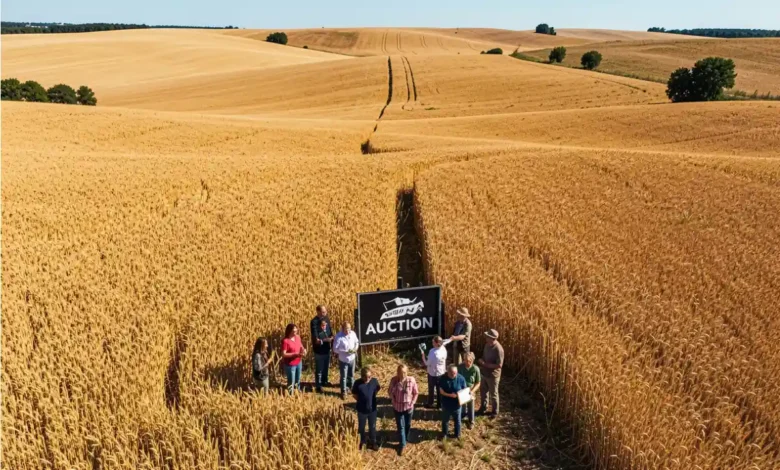
Have you ever wondered how people buy good farm land at a fair price?
One smart way is through land auctions or competitive bidding events. In these events, buyers place bids and the highest offer wins. The process is open, so everyone can see the price grow step by step.
This helps keep the sale fair and clear for all buyers. For people who want to invest in farm land, auctions can offer real chances to find good property. When you learn how bidding works, you can plan better and avoid big mistakes.
Ready to learn? Keep reading!
Understanding Competitive Bidding
Competitive bidding is a process where several buyers try to purchase the same property by offering different prices. Each person places a bid, and other buyers may raise the price if they want to compete.
This continues until no one wants to bid higher. The process is open, so everyone can see how the price changes during the event. Because of this, competitive bidding is often seen as fair and transparent.
It allows buyers to compete under the same rules. In many cases, the final price reflects what people in the market believe the land is worth. This system can help sellers receive a fair value for their property while giving buyers a clear chance to participate.
Benefits of Participating in Bidding Events
Taking part in bidding events for agricultural property can offer several benefits to buyers and sellers. First, the process gives all bidders the same opportunity to compete for the property.
This helps create a fair environment where no one buyer has an advantage. Second, competitive bidding often pushes the property price closer to its true market value. This can benefit sellers because the land may sell for a higher price.
Buyers can also gain useful knowledge during the event. Watching how others bid can reveal demand levels and market behavior. Over time, this experience helps buyers better understand land values, making them more confident and informed in future property auctions.
The Role of Midwest Land Management Auctions
Midwest Land Management auctions help bring buyers and sellers together in a clear and organized way. These auctions focus on farmland and other agricultural property. The company helps list properties, promote them, and run the bidding event.
This creates a competitive setting where buyers can place offers openly. Because the process is structured and transparent, both sides can feel more confident. Sellers may reach a good selling price, while buyers have a fair chance to win land that fits their needs.
How to Prepare for an Agricultural Property Auction
Preparing for a land auction is very important for buyers. Before the event, buyers should study the market to learn the usual price of land in the area. Visiting the property can also help them see its condition and farming potential.
Buyers should decide on a clear budget so they do not spend too much during the bidding. It is also wise to read the auction rules and terms carefully. Some people choose to work with a land expert or advisor to guide them during the process.
Understanding the Auction Process
Before attending an auction, it helps to know how the event works. The auction often starts with a description of the property. This may include the land size, location, and any special features that affect value.
The auctioneer explains the rules so every bidder understands the process. After the details are shared, bidders begin placing offers. Each new bid usually raises the price little by little.
The auctioneer will keep asking for higher bids until no one wants to continue. In most cases, the highest bidder at the end wins the property. Buyers must also follow payment rules and legal steps after the auction. Knowing these details early helps bidders feel more prepared and confident.
The Impact of Agriculture Trends on Bidding
Changes in agriculture can affect how people bid on farmland. For example, crop prices can raise or lower the demand for land. When crop prices are high, more farmers may want to buy land to grow their crops and increase production.
Land conservation programs and government policies can also change how land is used. These rules may encourage better land care or limit certain farming activities. Weather patterns and soil quality may also affect land demand.
Because of this, bidders should stay updated on agriculture trends. Understanding these trends helps buyers make smarter choices during auctions. Being informed allows bidders to see both risks and good opportunities before placing a bid.
Potential Risks and Challenges
Competitive bidding has benefits, but it also has risks that buyers should understand. When many people want the same property, a bidding war can happen. This situation may push the price much higher than the land’s real market value.
Some buyers may feel pressure during the auction and start bidding quickly without thinking carefully. Emotional decisions can lead to spending more money than planned.
Buyers may also overlook important details about the property while focusing only on winning the bid. To avoid these problems, bidders should stay calm and follow their set budget. Careful thinking and planning can help prevent costly mistakes during competitive auctions.
Post-Auction Considerations
After winning a land auction, buyers still have important steps to take. They should review the property carefully after the purchase. This helps them plan any repairs or improvements that may be needed.
Buyers should also learn about local rules that affect how the land can be used. Some areas may have limits on farming, building, or conservation practices. Planning ahead can help owners use the property wisely. A good plan can also improve the long-term value of the land.
Conclusion: Taking Advantage of Competitive Bidding
Competitive bidding can be a smart way to buy agricultural property. It allows many buyers to compete in a fair and open setting. Platforms like Midwest Land Management auctions help make the process clear and organized.
Buyers who prepare well often have a better chance of success. Learning the auction rules, studying land prices, and watching agriculture trends can help guide good decisions. With the right planning and knowledge, buyers can find strong investment opportunities in the agricultural land market.
Did you find this article helpful? You can visit our website for more great content like this.