Best Commercial Roofing Contractor Services: Complete Guide for Property Owners
Your building’s roof protects millions of dollars in assets. When a roof fails, downtime costs property owners an average of $4,000 per day in lost productivity, according to industry data.
Smart property managers recognize that proactive roof care prevents expensive disruptions. Commercial contractors remain optimistic about 2025, with 80% expecting annual sales volumes to increase compared to 2024. This growth reflects rising demand for professional roofing services as businesses prioritize building maintenance.
Types of Commercial Roof Systems
Professional contractors install and maintain several roof types. Each system offers distinct advantages based on building needs and budgets.
- Thermoplastic Olefin (TPO) Roofing TPO membranes provide excellent energy efficiency through heat reflection. The white surface reduces cooling costs by reflecting UV rays. Installation costs range from $3.50 to $5.00 per square foot. TPO systems typically last 15-20 years with proper maintenance.
- Ethylene Propylene Diene Monomer (EPDM) EPDM rubber roofing handles temperature extremes well. The material remains flexible in cold weather and resists cracking. Installation costs run $3.25 to $4.75 per square foot. EPDM roofs can last 20-25 years when professionally maintained.
- Metal Panel Systems Standing seam metal roofs offer durability and longevity. These systems resist fire, wind, and impact damage. Installation costs range from $7.00 to $12.00 per square foot. Metal roofs often last 40-50 years with minimal maintenance.
- Built-Up Roofing (BUR) BUR systems use multiple layers of felt and bitumen. This time-tested approach works well for low-slope applications. Installation costs run $2.50 to $4.00 per square foot. BUR systems typically provide 20-30 years of service.
Inspection and Preventive Maintenance
Regular inspections catch problems before they become costly repairs. Smart contractors now use technology to improve accuracy.
Professional inspections should occur twice yearly – spring and fall. Contractors examine seams, drains, penetrations, and flashings for signs of wear. They document findings with photos and detailed reports.
1. Smart Monitoring Technology
Modern contractors install IoT sensors that track moisture levels, temperature changes, and membrane movement. These systems send alerts when conditions indicate potential problems. Early detection saves property owners thousands in emergency repairs.
2. Maintenance Schedules
Contractors develop customized maintenance plans based on roof type, age, and local weather conditions. Regular tasks include:
- Drain cleaning and inspection
- Membrane patching and repair
- Sealant renewal around penetrations
- Removal of debris and vegetation
Property owners who follow maintenance schedules extend roof life by 40-60% compared to reactive approaches.
Repairs and Restoration
Professional contractors use advanced materials and techniques to restore aging roofs. Modern solutions often cost less than full replacement.
1. Leak Repair Process
Contractors first identify the leak source using thermal imaging or moisture meters. They remove damaged membrane sections and prepare the substrate. New membrane patches are welded or adhered using manufacturer-approved methods. Quality contractors test repairs before considering the job complete.
2. Coating Applications
Nanotech and polyurethane hybrid coatings extend roof life significantly. These products reflect UV rays and resist ponding water. Acrylic coatings work well for most climates, while silicone performs better in areas with standing water. Professional application ensures proper thickness and adhesion.
3. Restoration vs. Replacement
Restoration makes sense when the roof structure remains sound. Contractors clean the surface, repair damaged areas, and apply new coatings. This approach costs 50-70% less than full replacement while adding 10-15 years of service life.
Energy-Saving and Sustainable Options
Building owners increasingly seek roofing solutions that reduce operating costs and environmental impact.
Cool Roofing Systems
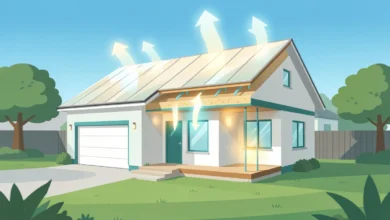
Cool roofs reflect more sunlight than traditional dark surfaces. White TPO and coated metal systems can reflect 70-80% of solar energy. Buildings with cool roofs reduce cooling costs by 10-15% in hot climates.
Green Roof Installation
Living roofs provide insulation, manage stormwater, and improve air quality. Extensive systems with shallow growing medium cost $15-25 per square foot. Intensive systems with deeper soil and larger plants cost $35-80 per square foot. Green roofs reduce heating and cooling costs by 20-30%.
Solar Integration
Contractors install photovoltaic systems that generate clean energy while protecting the roof membrane. Ballasted systems work well on flat roofs without penetrating the membrane. Attached systems require careful sealing around mounting points. Solar installations typically pay for themselves within 7-12 years through energy savings.
Safety and Compliance
Professional contractors prioritize worker safety and code compliance. These practices protect both crews and property owners from liability.
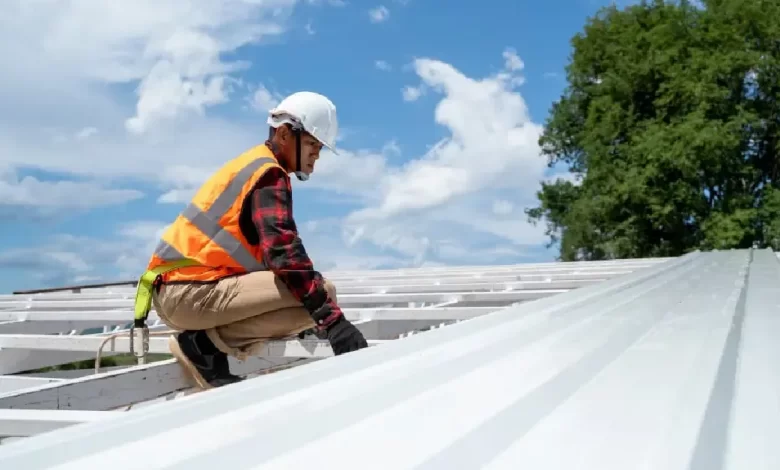
- Fall Protection Systems All crew members wear safety harnesses connected to secure anchor points. Contractors install guardrails around roof perimeters and openings. Safety equipment must meet OSHA standards and undergo regular inspection.
- Training Programs Leading contractors provide ongoing safety training for all employees. Programs cover fall protection, ladder safety, and hazard recognition. Crews receive training on proper lifting techniques and tool handling. Many contractors require safety certification before allowing workers on job sites.
- Code Compliance Professional contractors stay current with local building codes and manufacturer specifications. They obtain necessary permits before starting work. Installations must meet fire ratings, wind uplift requirements, and energy codes. Quality contractors provide documentation showing code compliance.
Emergency and Storm Response Services
Severe weather can damage roofs without warning. Professional contractors offer rapid response to minimize business disruption.
24/7 Emergency Hotlines
Top contractors maintain emergency phone lines staffed around the clock. When you call, trained dispatchers assess the situation and deploy crews immediately. Response times typically range from 2-4 hours for urgent situations.
Temporary Protection
Emergency crews install tarps or temporary membranes to stop active leaks. They secure loose materials and clear blocked drains to prevent further damage. Temporary repairs buy time for permanent solutions while protecting building contents.
Full Repair Process
After initial stabilization, contractors assess damage extent and develop repair plans. They work with insurance adjusters to document losses and approve repairs. Quality contractors complete permanent repairs quickly to restore full building protection.
Full Replacement and Disposal
When roofs reach the end of their service life, professional contractors manage complete replacement projects efficiently.
Roof Tear-Off Process Contractors remove old roofing materials systematically to avoid damaging the building structure. They protect landscaping and adjacent surfaces from debris. Crews work in sections to maintain building protection during replacement.
Material Recycling Professional contractors sort removed materials for recycling whenever possible. Metal components go to scrap dealers, while membrane materials may be recycled into new products. This approach reduces landfill waste and often lowers disposal costs.
New Installation Contractors inspect and repair the roof deck before installing new systems. They follow manufacturer specifications for insulation, membrane attachment, and seam welding. Quality control inspections occur at each phase to ensure proper installation.
Choosing the Right Contractor
The best contractors combine technical expertise with proven track records. Look for companies that offer comprehensive services from inspection through replacement.
Verify that contractors carry proper insurance and maintain manufacturer certifications. Check references from similar projects and review warranty terms carefully. Professional contractors provide detailed written estimates and clear project timelines.
Request information about the contractor’s safety record and employee training programs. Ask about their experience with your specific roof type and any special requirements your building may have.
Your roof represents a major investment in your property’s protection and value. Professional contractors help you maximize that investment through expert installation, maintenance, and repair services.
Contact a qualified commercial roofing contractor in your area to schedule a comprehensive roof inspection and discuss your building’s specific needs.