Choosing a Commercial Roof Replacement Company in the Twin Cities
Minnesota winters test every building material to its limit. Ice, snow, and temperature swings create a hostile environment for commercial roofs.
Your roof protects your business operations, inventory, and employees. When it fails, you face expensive repairs, disrupted operations, and potential liability issues.
This guide shows you how to select the right commercial roof replacement company in the Twin Cities area.
Twin Cities Commercial Roofing Market Overview
The Twin Cities commercial roofing market generates impressive numbers. Minnesota’s roofing contractors market is projected to reach about $1.2 billion by 2025, with over 2,100 firms operating across the state.
Commercial building construction in Minnesota is worth around $6.1 billion in 2025, creating sustained demand for roofing services.
One in six commercial roofs in the Twin Cities is completed by major contractors who specialize in large-scale projects. This concentration of expertise means property owners have access to experienced professionals who understand local climate challenges.
The market size reflects the reality that commercial buildings require specialized knowledge and equipment that residential contractors often lack.
Common Roofing Systems and Costs
Understanding your options helps you make informed decisions about materials and budget planning.
Single-Ply Membrane Systems
EPDM and TPO single-ply membranes represent about 60% of commercial installations. These systems work well on flat and low-slope roofs common in commercial construction.
EPDM (ethylene propylene diene monomer) offers proven durability and weather resistance. TPO (thermoplastic polyolefin) provides energy efficiency through reflective properties.
Metal Roofing
Metal roofs are growing in popularity, representing 7-15% of commercial installations. Metal systems offer longevity and can handle snow loads effectively.
Steel and aluminum options provide different cost points and performance characteristics.
Traditional Materials
Asphalt still represents about 70% of roofing materials due to lower upfront costs. Modified bitumen and built-up roofing systems remain viable for many applications.
Cost Considerations
Cost per square foot for commercial roof replacement ranges from $5-12, depending on materials and complexity. The cost of replacing your roof in the Twin Cities ranges from $3000 to $30,000 for typical projects.
Project size, material selection, and structural requirements drive final pricing. Getting multiple quotes helps you understand fair market pricing.
Local Twin Cities Roofing Companies
The Twin Cities area hosts several established commercial roofing specialists with proven track records.
Established Market Leaders
Minnesota Exteriors Commercial brings 70+ years of experience to large-scale projects. Midwest Roofing, Siding & Windows has over 50 years of commercial roofing experience across the Twin Cities metro area.
Rainville-Carlson, Legacy Construction, Allied Construction, and Kingdom Builders represent other major players with substantial project portfolios.
Central Roofing Company maintains a Top 1% National Record for Safety and emphasizes zero incident policies on every project.
Specialized Contractors
Prominent Construction Roofing focuses on commercial and multifamily flat roofing, while Best Choice Roofing emphasizes high-quality materials and exceptional craftsmanship.
Mint Roofing offers TopSite Preventative maintenance programs that help extend roof life and prevent emergency replacements.
Community-Recommended Options
Local property owners frequently recommend several contractors through online forums. Sela Roofing, Northrup Roofing, Incline Exteriors, Quarve Contracting, and Roof Company N.A. Inc. (family-owned) receives positive mentions from Twin Cities business owners.
These recommendations come from actual project experiences and provide valuable insight into contractor performance.
How to Choose a Reliable Contractor
Smart contractor selection protects your investment and prevents costly problems down the road.
Licensing and Insurance Verification
Verify that contractors hold current Minnesota licenses and carry adequate insurance coverage. Request certificates of insurance directly from their carrier.
Workers’ compensation and general liability coverage protect you from potential claims during the project.
Multiple Estimate Process
Get multiple quotes (3-5) and avoid the lowest bid without understanding why costs differ. Detailed written estimates help you compare materials, labor, and project scope.
Quality contractors provide comprehensive proposals that outline materials specifications, labor costs, and project timelines.
Reference and Review Checking
Research contractor reputations through multiple sources. Online reviews provide starting points, but direct references from recent commercial projects offer better insight.
Ask for references from projects similar to yours in size and complexity.
Warning Signs to Avoid
Storm-chaser companies often appear after severe weather events. These temporary operations may lack local presence for warranty support.
Door-to-door solicitation and high-pressure sales tactics indicate potential problems. Legitimate contractors typically work through referrals and established relationships.
Project Planning and Insurance
Proper planning prevents delays and cost overruns during roof replacement projects.
Inspection and Timing
Schedule inspections every 3-5 years to identify problems before they become emergencies. Professional assessments help you budget for future replacements.
Most commercial roofs last 15-25 years, but harsh Minnesota winters can shorten lifespans without proper maintenance.
Insurance Claims Process
Document roof damage promptly after storms. Professional inspections help support insurance claims and prevent disputes with carriers.
Work with contractors experienced in insurance claim processes to ensure proper documentation and fair settlements.
Scheduling Considerations
Minnesota’s short construction season creates scheduling challenges. Plan replacements during favorable weather periods when possible.
Emergency replacements may require temporary solutions while waiting for ideal installation conditions.
Benefits of Modern Roofing Technologies
Current roofing technologies offer significant advantages over older systems.
Energy Efficiency Improvements
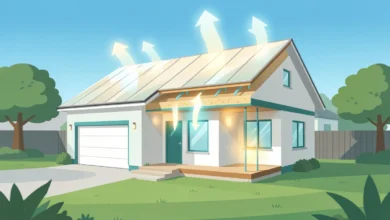
Cool/reflective roofing and energy-efficient installations can cut energy use 20-30%. These systems reduce cooling costs during summer months.
White and light-colored membranes reflect solar heat rather than absorbing it into the building.
Durability Enhancements
Modern materials resist UV degradation, thermal cycling, and weather damage better than older systems. Improved adhesion methods reduce wind uplift failures.
Advanced membrane formulations extend service life and reduce maintenance requirements.
Sustainable Options
Recycled content materials and energy-efficient designs support environmental goals. Some systems qualify for tax incentives and utility rebates.
Green roof options provide additional insulation and stormwater management benefits where applicable.
Real Feedback from Local Property Owners
Twin Cities business owners share valuable insights about their roofing experiences.
“Prominent Construction was able to bid out the cost of the work and schedule the roof replacement work within a very short period. The cost was reasonable and better than the competition.”
“Mint Roofing has been my ‘go-to’ company for many types of repairs and installations. Their customer service and reliability can’t” be matched by competitors.
Property managers emphasize the importance of responsive service and clear communication throughout projects. Successful contractors maintain regular contact and address concerns promptly.
Local business owners value contractors who understand Minnesota climate challenges and specify appropriate materials for local conditions.
Conclusion
Selecting the right commercial roof replacement company requires careful research and planning. Focus on licensed, insured contractors with local experience and strong reputations.
Compare multiple estimates while considering material quality, warranty terms, and project timelines. Avoid making decisions based solely on price.
Minnesota’s climate demands roofing systems designed for extreme weather conditions. Work with contractors who understand local challenges and specify appropriate materials.
Schedule a professional roof inspection to assess your current system’s condition. Document any problems and begin gathering contractor estimates before emergency replacements become necessary.
Plan for long-term building protection by selecting quality materials and experienced installation teams. Your roof investment should provide decades of reliable service when properly executed.