Commercial Property with Land for Sale: A Buyer’s Guide for 2026
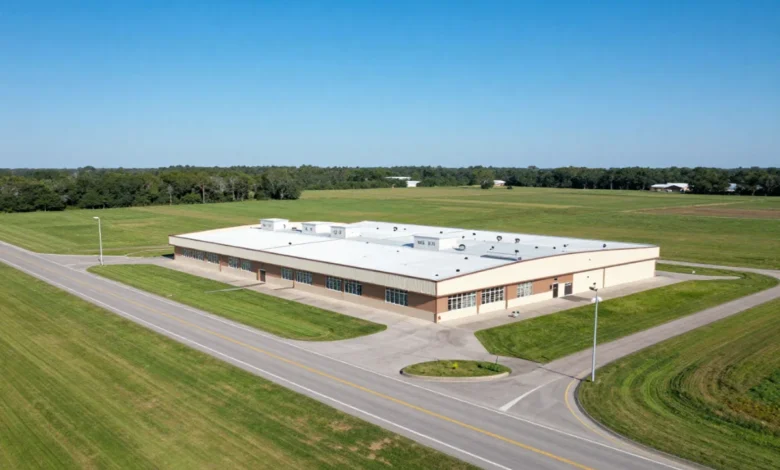
Commercial property with land for sale combines an existing structure — such as a retail building, warehouse, or office — with acreage attached. Buyers get both income potential from the building and long-term value from the surrounding land. As of 2026, over 39,900 commercial land listings are active in the U.S., with an average asking price of $1,114,265 and a per-acre cost of $66,126, according to LandSearch. This guide walks you through what to look for, where to find listings, how to evaluate them, and how to close with confidence.
Buying commercial property is not the same as buying commercial land. When a listing includes both — an operating structure plus raw or improved acreage — you are dealing with two distinct assets bundled into one transaction. That distinction matters for financing, zoning, valuation, and exit strategy. Knowing which type fits your goals before you sign can save you from expensive mistakes.
What “Commercial Property with Land” Actually Means
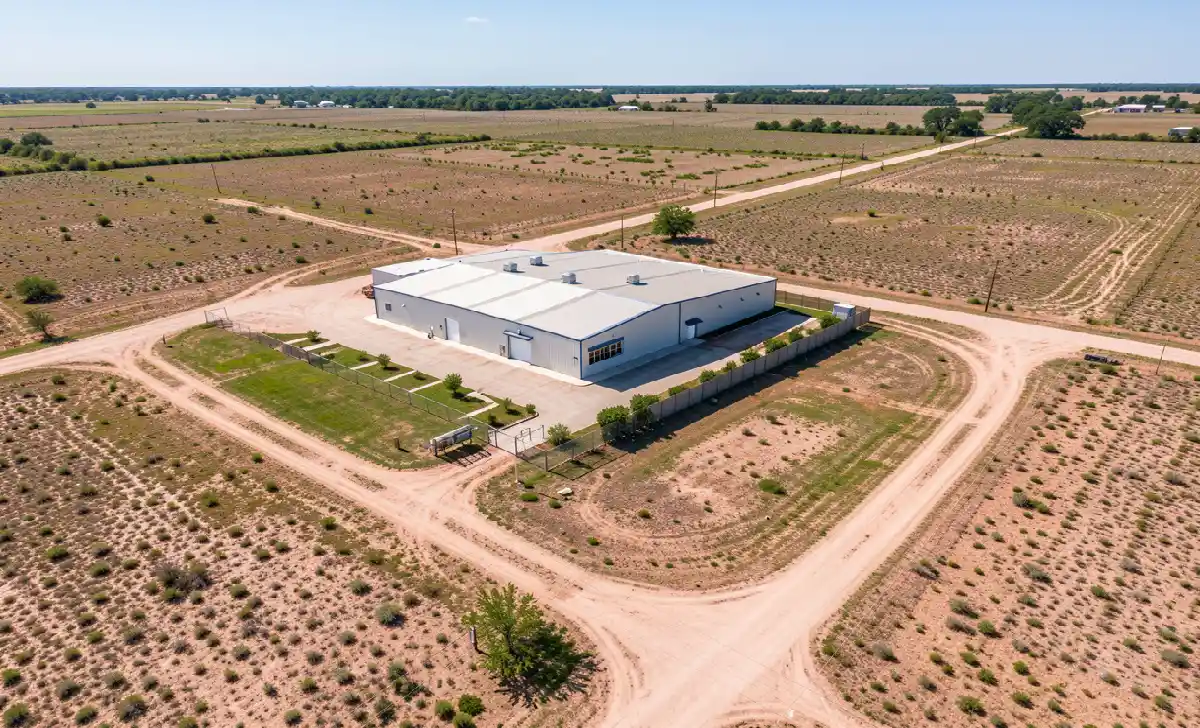
At its core, a commercial property with land listing includes an existing structure used for business purposes — retail, office, industrial, hospitality, or mixed-use — plus an adjacent or surrounding parcel of land included in the sale.
That land may be developed, partially developed, or completely raw. A gas station sitting on 5 acres along a highway corridor qualifies. So does a 200-acre Texas ranch with a working barn and an agricultural lease generating income.
The key difference from a standard commercial building sale is the land component. That land carries separate value, and buyers often underestimate it — or overpay for it — when they do not evaluate it independently.
Why Commercial Land Still Draws Buyers in 2026
The 2026 commercial real estate market is more active than most buyers expect. Total transaction volume was up approximately 19% in 2025, pricing has stabilized, and debt is becoming more available with higher loan-to-value ratios and more lenders entering the market, according to CBRE’s H2 2025 Cap Rate Survey.
CBRE forecasts commercial real estate investment activity to increase by 16% in 2026 to $562 billion, nearly matching the pre-pandemic annual average. More capital competing for quality assets means well-priced listings move fast.
Michelle Herrick, Head of Commercial Real Estate at J.P. Morgan, described the 2026 market as “strong from both a capital and fundamental standpoint” with expectations for more transactions throughout the year.
For buyers targeting properties with land, the opportunity is real — but so is the complexity. Land appreciation, zoning flexibility, and development potential add layers that a standard building purchase does not.
Types of Commercial Property with Land for Sale
Not every listing on LandWatch or Crexi describes the same thing. Before you start filtering searches, know which category you are shopping in.
Retail or highway commercial with acreage. These are the most common listings. A convenience store, auto repair shop, or strip center sitting on several acres along a high-traffic road. The land value often ties directly to visibility and traffic count.
Industrial or warehouse sites with expansion land. A functioning warehouse or distribution building with adjacent acreage gives buyers room to add capacity later. These listings appear frequently in secondary markets outside major metros.
Agricultural-commercial hybrid properties. Texas, Florida, and the Midwest commonly list properties where a commercial structure sits inside a working farm or ranch. Income comes from both the business and the land through crop leases, timber rights, or grazing agreements.
Development land with existing structures. Some listings include a building slated for demolition. The real value is in the acreage and its zoning. Buyers pay for the land and receive the structure as a bonus — or a liability, depending on demolition costs.
Mixed-use parcels. A property may carry both commercial and residential zoning across different sections of the same lot. This creates flexibility but adds complexity during financing and permitting.
How to Find Commercial Property with Land for Sale
Most buyers start with aggregator platforms. The most active options in 2026 include Land.com (strong for rural and semi-rural commercial land), LandWatch (broad national inventory with acreage and zoning filters), Crexi (best for income-producing properties filtered by cap rate or NOI), LoopNet (urban and suburban listings paired with broker search), and LandHub or LandSearch for smaller parcels and owner-direct listings.
Do not rely on one platform. The same listing often appears on multiple sites with different data. Pull any parcel on at least two platforms to cross-reference acreage, zoning, and price history.
A commercial broker who specializes in land transactions is worth the commission — especially for properties above $1 million or those with mixed zoning. A local specialist will know which parcels have infrastructure problems, title issues, or pending rezoning that no listing description will disclose.
What to Check Before You Make an Offer
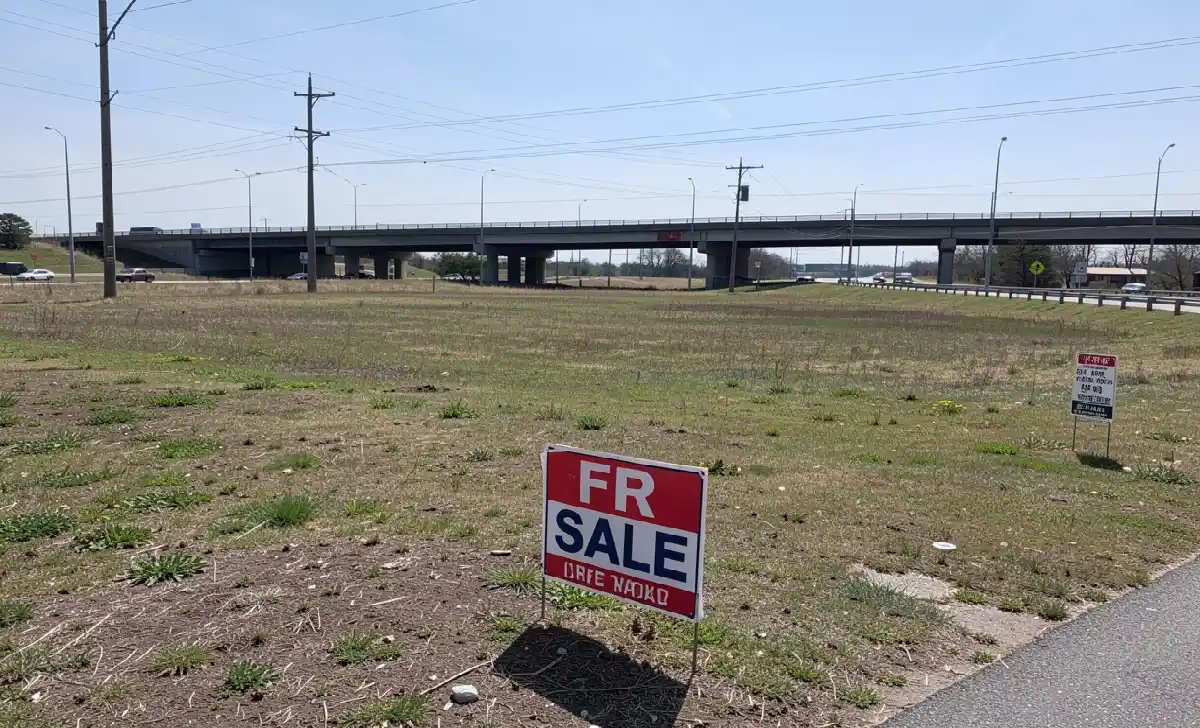
Most buyers focus on the building and undervalue due diligence on the land itself. That is where expensive surprises hide.
Zoning and permitted uses. Zoning tells you what you can legally do on the property. A parcel zoned C-1 allows different uses than one zoned C-3 or M-1 (light industrial). Verify the specific classification and what it permits at the county or municipal level. Never assume.
Access and road frontage. How many feet of frontage does the property have on a public road? Frontage directly affects visibility and traffic volume. A 50-acre parcel with only a narrow easement access sells for far less than one with 1,000 feet on a state highway.
Utilities and infrastructure. Water, sewer, electricity, and natural gas connections matter more when land is involved. Bringing utilities from a distant connection point can cost $50,000 to $300,000, depending on distance and terrain. Ask for utility maps before negotiating the price.
Environmental history. Request a Phase I Environmental Site Assessment before closing. Properties near industrial operations, former gas stations, or agricultural land with pesticide use may carry contamination liability.
Flood zone status. Check the FEMA flood map for every parcel. Land in a 100-year floodplain limits development, increases insurance costs, and may disqualify certain financing products.
Title and survey. Order a current survey and full title search. Easements, encroachments, and boundary disputes are common in rural commercial parcels and rarely appear in listing descriptions.
How to Finance Commercial Property with Land
Financing a property that includes both a building and raw land is more complex than financing a standard commercial building. Most loans cover improved property. Raw land portions often require a separate land loan or are financed at a lower loan-to-value ratio — sometimes as low as 50% to 60% of appraised land value.
As of December 2025, the federal funds rate stands at 3.64%, keeping financing costs elevated and forcing more disciplined underwriting. Your lender will scrutinize the income-producing portion of the property closely.
SBA 504 loans work well for owner-operators buying property for their own business. The program covers up to 40% of the project cost at a fixed rate, with a conventional lender covering another 50%. Land is eligible if it is part of an owner-occupied transaction.
Conventional commercial mortgages typically require 25% to 35% down with 5- to 20-year terms. If land represents a significant share of total value, expect a blended underwriting approach that reduces your maximum loan amount.
Seller financing appears more often in land-heavy commercial deals than in building-only transactions. Sellers who own the land outright sometimes prefer installment sales for tax reasons. If you find a motivated seller, asking directly costs nothing.
What the Market Looks Like Right Now
Cap rates for most commercial property types are expected to compress by 5 to 15 basis points in 2026, and leasing activity is forecast to continue recovering from its 2024 low. Capital will still be accessible, but lenders are being more selective — focusing on lower-risk deals with steady cash flows.
For buyers targeting retail properties with land, timing is constructive. CBRE reports the strongest valuations across active shopping centers in a decade, with limited new supply supporting pricing. Grocery-anchored and highway-facing retail with attached acreage holds value well in elevated-rate environments.
Industrial properties with expansion land in secondary markets offer a different angle. Industrial vacancy reached 7.3% in Q2 2025 as new supply outpaced demand, cooling pricing in some markets, and creating better entry points for buyers willing to hold for five or more years.
FAQs
What is the average price per acre for commercial land in the U.S.?
LandSearch puts the current national average at $66,126 per acre, with an average listing price of $1,114,265 across active commercial land listings. Prices vary widely by state, zoning, access, and proximity to population centers.
Can I get an SBA loan to buy commercial property with land?
Yes. SBA 504 loans cover owner-occupied commercial real estate that includes land, as long as you occupy at least 51% of the building. Land that is entirely undeveloped and not part of the operational property may require separate financing.
How do I verify zoning before making an offer?
Contact the county or city planning department directly. Most jurisdictions offer online GIS maps where you can look up any parcel by address or tax ID and view its zoning designation and permitted uses.
What is a Phase I Environmental Assessment?
A Phase I ESA reviews the history of a property for signs of contamination or environmental liability. Any commercial land purchase warrants one, especially for industrial sites or agricultural land with a history of chemical use. Costs typically range from $1,500 to $3,500.
Is commercial land a good investment in 2026?
J.P. Morgan and CBRE both project increased transaction volume and stabilizing prices for 2026. Commercial land tied to high-traffic corridors or growing secondary markets carries strong long-term appreciation potential. Raw land alone generates no cash flow until developed or leased, so account for that carry cost in your underwriting.