Cleaning Tips Agendacoverlife: Maintain Your Home Without the Stress
Effective home cleaning doesn’t require hours of daily effort. Focus on high-impact areas like kitchen counters, bathroom sinks, and main floor pathways first. A 15-minute daily reset combined with cleaning during existing activities—like wiping counters while coffee brews—prevents major buildup. Assign one room per day for deeper attention, spending just 20-30 minutes beyond basic maintenance.
This approach prioritizes function over perfection. Address spills immediately when they take 30 seconds instead of 10 minutes later. Keep cleaning supplies where you use them to eliminate barriers. Weekly tasks like bathroom deep cleans and sheet changes need specific time slots, while quarterly deep cleaning handles baseboards, windows, and appliances without overwhelming your schedule.
Most cleaning advice assumes you have unlimited time and energy. You don’t. Between work, family, and everything else demanding attention, maintaining a clean home feels like another job.
The solution isn’t working harder. You need a system that acknowledges your actual schedule and delivers visible results without consuming your evenings and weekends.
Start With What Actually Needs Cleaning
Not all surfaces deserve equal attention. Your kitchen counter affects daily function, so keep it clean and organized for better efficiency. That decorative shelf gathering dust doesn’t follow any cleaning strategies.
High-impact areas include:
- Kitchen counters and sink are essential areas for regular cleaning and decluttering.
- Bathroom sinks and toilets require regular cleaning to maintain hygiene and reduce germs.
- Floors in main pathways
- Dining table
- Frequently touched surfaces (light switches, door handles)
These living spaces make your home feel clean when maintained with effective cleaning tips. Clean them first, consistently. Everything else can wait.
A 2023 study by the American Cleaning Institute found that 68% of people feel stressed by cleaning tasks, but stress decreased significantly when they focused on visible, functional spaces rather than attempting comprehensive cleaning sessions.
Skip the perfection trap. You can dust your baseboards next month. Today, keep your kitchen functional and your bathroom sanitary. The visual impact of clean counters and clear floors creates a sense of order that motivates continued maintenance.
Think about your daily patterns. Which rooms do you use most? Which surfaces do you touch repeatedly? Start there with a simple agenda to tackle decluttering. A clean entryway where you drop keys and bags matters more than a spotless guest bedroom you enter twice a month.
Build a 15-Minute Daily Reset
Daily maintenance beats marathon cleaning sessions. Fifteen minutes prevents the buildup that requires hours to fix.
Morning routine (5-7 minutes):
- Make your bed
- Wipe the bathroom counter and sink
- Start one laundry load
- Clear the kitchen after breakfast
Evening routine (8-10 minutes): include disinfecting surfaces as one of the cleaning tips.
- Wipe kitchen surfaces with baking soda for an effective cleaning hack.
- Load dishwasher or wash dishes
- Pick up living room clutter
- Take out the trash from the main rooms
These tasks take less time than scrolling social media. The difference? Your home stays functional instead of deteriorating until you find a free Saturday.
Consistency matters more than intensity. A daily 15-minute reset accomplishes more over a month than sporadic three-hour cleaning binges, aligning with a cleaning schedule. You wake up to a made bed and a clean bathroom. You end the day without dishes piled in the sink, thanks to effective daily tasks. These small wins compound.
The key lies in timing. Morning resets happen before distractions multiply. Evening resets prevent overnight accumulation. Choose times that fit your schedule, not an ideal you saw online.
Clean While You Do Other Things

Waiting time is cleaning time. You already spend minutes standing in your kitchen or bathroom—add simple cleaning tasks, like wiping down doorknobs, to those moments to declutter.
Pair cleaning with existing activities:
- Wipe counters while coffee brews (2 minutes)
- Squeegee shower while water warms (1 minute)
- Clean the stove after cooking while pans soak (3 minutes)
- Wipe bathroom mirror while brushing teeth (30 seconds)
- Sweep kitchen floor while dinner cooks (4 minutes)
This eliminates the need to “find time” for cleaning and helps create a cleaning schedule. You’re already in the space, already waiting. The cleaning happens automatically.
A study from the University of Southern California found that people who attached new habits to existing routines had an 87% success rate compared to 34% for those trying to add standalone tasks.
The bathroom provides prime opportunities. You’re there every morning and evening. Wipe the sink while washing your face. Swipe the toilet bowl while waiting for the shower to heat. These micro-cleanings prevent the grime that eventually requires dedicated scrubbing sessions.
Kitchen cleaning follows the same principle, utilizing effective cleaning strategies. You’re already cooking, already moving around the space. Wipe spills immediately to maintain a tidy space. Clean as ingredients finish. Wash cutting boards between tasks. The meal prep time stays the same, but the cleanup disappears.
Keep Your Tools Where You Use Them
Climbing stairs to retrieve cleaning supplies kills momentum. If your all-purpose cleaner lives under the kitchen sink but you need it in the bathroom, you won’t clean the bathroom.
Strategic placement:
- All-purpose spray under each bathroom sink
- Microfiber cloths in the kitchen, bathrooms, and bedroom
- Vacuum on the main floor, not the basement storage
- A cleaning caddy that moves with you
Accessibility removes friction. When supplies sit within arm’s reach, wiping a counter becomes automatic instead of a project requiring preparation.
You need minimal supplies: one good all-purpose cleaner, microfiber cloths, a vacuum, a mop, and toilet bowl cleaner. Store duplicates in multiple locations rather than creating a single cleaning closet that requires trips every time you spot a mess.
Consider the bathroom example. If you keep a spray bottle and cloth under the sink, wiping toothpaste splatter takes 20 seconds. Without supplies present, that same task requires walking to another room, gathering materials, returning, cleaning, and then putting everything away, which disrupts your cleaning schedule. The task grows from 20 seconds to 5 minutes. You skip it.
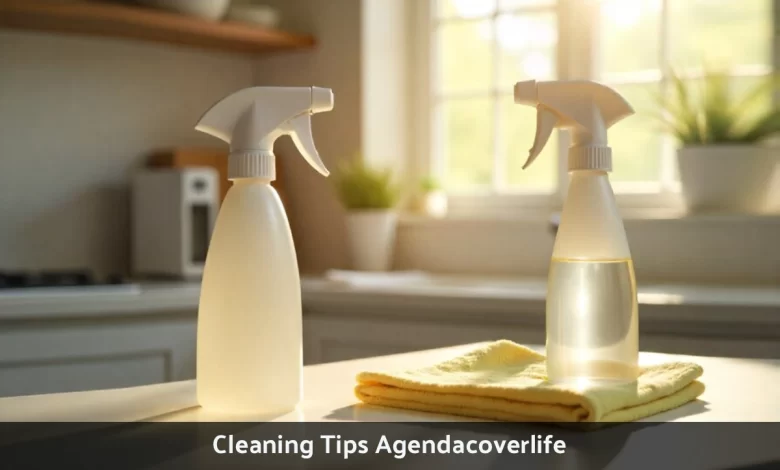
Invest in multiple spray bottles and fill them with the same eco-friendly cleaner for faster cleaning. Buy microfiber cloths in bulk and distribute them throughout your home. The upfront cost pays back in consistent cleaning behavior and using natural cleaning solutions.
Assign One Room Per Day
Daily resets maintain baseline cleanliness. Weekly rotation handles deeper attention without overwhelming single days, making cleaning more efficient.
Simple rotation:
- Monday: Kitchen (wipe cabinet fronts, clean appliance exteriors, organize counters)
- Tuesday: Bathrooms (scrub toilet, tub, floor) using vinegar and water for effective disinfecting.
- Wednesday: Bedrooms (dust surfaces, change linens, vacuum) as part of your cleaning agenda to keep living spaces tidy.
- Thursday: Living areas (vacuum thoroughly, dust shelves, wipe surfaces)
- Friday: Floors (mop hard surfaces, spot clean carpets)
Each room gets 20-30 minutes of focused cleaning beyond daily maintenance. This prevents the need for massive cleaning days that consume entire weekends.
Miss a day? Continue the rotation tomorrow. The system works because rooms get attention weekly, even when life interrupts, following these cleaning tips to make your life easier. Your bathroom gets cleaned every Tuesday or Wednesday. If Tuesday was chaotic, ensure regular cleaning habits. Either way, it never goes two weeks without proper attention.
This rotation handles tasks beyond quick wipes. You’re organizing shelves, moving furniture to vacuum underneath, and scrubbing grout between tiles. These deeper tasks need focus, but don’t need daily repetition.
The psychological benefit matches the practical one. You never face a to-do list that reads “clean entire house.” Instead, you see “clean bathrooms” on Tuesday. That’s manageable. That gets done.
Address Messes Immediately When Small
Fresh spills wipe clean in 30 seconds. Dried spills take 10 minutes of scrubbing.
Time comparison:
| Task | Immediate Action | Delayed Action |
|---|---|---|
| Spilled coffee | 30 seconds to wipe | 5-10 minutes scrubbing stain |
| Food crumbs | 1 minute to sweep | 3 minutes vacuuming ground-in mess |
| Shower water spots can be tackled using eco-friendly cleaning solutions. | 30 seconds squeegee | 15 minutes scrubbing soap scum |
| Stovetop splatters | 1 minute wipe while warm | 10 minutes scraping dried food |
You save time by acting immediately. The math favors a quick response every time.
This requires a mental shift from “I’ll do it later” to “I’m saving myself time right now.” Later always costs more effort.
Consider tomato sauce on your stovetop. Fresh, it wipes away with one pass of a damp cloth, a great tip for cleaning faster. Wait until tomorrow, and you’re scraping with a scrubber, applying degreaser, and scrubbing again. The same spill, dramatically different effort levels.
The same principle applies to bathroom moisture. Squeegee your shower after use, and soap scum never forms. Skip the squeegee for a week and you’re facing a scrubbing project. Daily prevention beats periodic intervention.
Lower Your Standards Strategically
Clean enough beats perfectly clean. Some areas need sanitation. Others need basic tidiness. Few require showroom condition.
Health and function priorities: regular cleaning and effective use of cleaning products.
- Toilets (bacterial concerns)
- Kitchen surfaces where you prepare food
- Floors where children play
- High-touch surfaces during illness
Can wait priorities:
- Baseboards can be easily cleaned with eco-friendly hacks to maintain a tidy home.
- Tops of cabinets
- Decorative items
- Behind furniture
Your bathroom needs regular disinfection. Your bookshelf doesn’t. Dust on decor you never touch won’t affect your daily life. Dust on your nightstand where you set your phone matters more.
Dr. Lisa Yakas, a microbiologist at NSF International, notes that focusing cleaning efforts on food preparation areas and bathrooms provides the most significant health benefits. Aesthetic cleaning in low-touch areas offers minimal functional value.
This distinction matters for mental health, too. Perfectionism around cleaning creates guilt and avoidance, but using eco-friendly hacks can help alleviate that pressure. You see the dusty baseboards, feel overwhelmed, and clean nothing. Lower standards for low-impact areas free energy for high-impact ones.
Your home should look lived-in, not staged for sale, but still follow these 10 cleaning tips for upkeep. Clean counters and vacuumed floors signal care, reflecting the importance of a tidy environment. Perfectly organized closets and dust-free ceiling fans signal either excess time or misplaced priorities.
Make Weekly Tasks Actually Happen
Some tasks can’t fold into daily routines. They need dedicated time slots.
Essential weekly tasks:
- Bathroom deep clean (toilet, tub, floor scrubbing)
- Mopping hard floors
- Changing bed linens
- Emptying all trash bins
- Cleaning inside the microwave
Anchor these to specific days and times. Sunday morning becomes a sheet-changing day with laundry. Saturday morning handles bathroom scrubbing as part of a weekly cleaning routine, ensuring your living spaces remain fresh. Linking tasks to calendar slots removes decision fatigue.
Keep your weekly list short to make cleaning more manageable, allowing you to focus on cleaning one room at a time. Six tasks maximum. Longer lists create avoidance and guilt.
The specific day matters less than consistency. Choose times when you typically have margin. Don’t schedule bathroom deep cleaning on your busiest morning. Put it on a weekend morning or a weeknight with fewer commitments.
Batching helps. Change all bed linens at once, not spread across days. Empty every trash bin during one walk through the house. Clean all bathrooms back-to-back. The setup time happens once, and you finish faster.