Can You Paint Pressure Treated Wood: Complete Guide
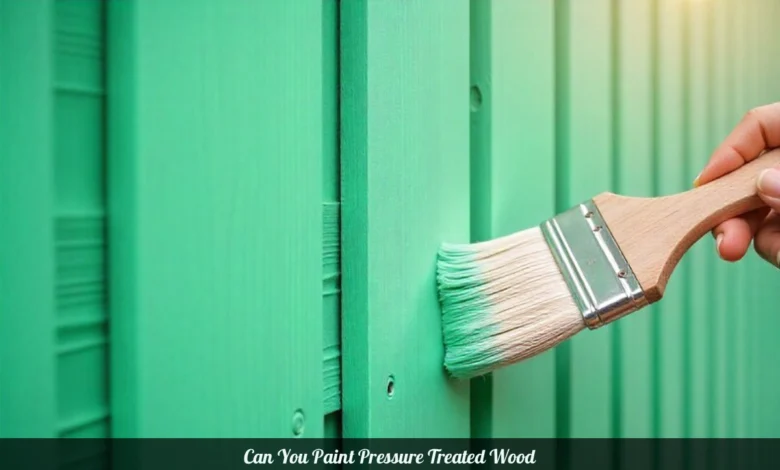
Yes, you can paint pressure-treated wood, but only after it dries completely. Fresh pressure-treated lumber arrives saturated with chemical preservatives and moisture. Wait 2-6 months before painting, depending on climate conditions. Test readiness by sprinkling water on the surface—if it absorbs instead of beading up, the wood is ready. Use exterior latex primer and paint for best results. Rushing this process causes peeling, blistering, and paint failure.
Pressure-treated lumber gives your deck or fence protection against rot and insects. But that greenish tint screams “brand new” and clashes with your home’s exterior. You want to paint it. You need to know when and how.
The short answer: yes, painting pressure-treated wood works. The catch: timing determines success or failure.
Why Pressure-Treated Wood Arrives Wet
Manufacturers force chemical preservatives deep into wood fibers under 160-200 psi pressure. This treatment uses water-based solutions containing copper compounds. The wood leaves the factory with 45-90% moisture content—far too wet for any paint to stick.
Your local lumber yard often stores boards in tight stacks without airflow. This prevents natural drying. Pick up a fresh 2×6, and you’ll feel the dampness immediately.
The Drying Timeline Explained
Standard pressure-treated wood needs 2-6 months to dry enough for paint. Several factors affect this timeline:
Climate conditions play the biggest role. Arizona desert heat dries lumber in 6-8 weeks. Florida humidity extends the wait to 6 months or longer. Cold climates slow the process considerably.
Wood thickness matters too. A 2×4 dries faster than a 6×6 post. Thicker boards trap moisture deeper in the core, requiring extra time for complete evaporation.
Treatment chemicals impact drying speed. Ground-contact lumber receives heavier preservative loads than above-ground rated wood. Marine-grade treatments contain even more chemicals and moisture.
Storage methods accelerate or delay drying. Stack boards with spacers between each piece. This creates airflow on all sides. Store in a covered location that blocks rain but allows air circulation. Direct sunlight speeds evaporation but can cause cracking.
Testing Wood Moisture Content
Don’t guess when your lumber is ready. Two reliable methods tell you the truth:
The water drop test costs nothing and takes 10 seconds. Sprinkle water drops on the wood surface. Watch what happens. Water beads sitting on top signal the wood is still too wet. Water soaking in means you’re ready to prime and paint.
Moisture meters give precise readings. Pin-type meters insert probes into the wood and measure internal moisture. Target 19% moisture or less for exterior paint jobs. Interior applications need 12-15% moisture content.
Test multiple spots on each board—ends, middle, and both faces. Moisture content varies across a single piece. The surface may feel dry while the core stays saturated.
What Happens When You Paint Too Soon
Painting wet pressure-treated wood creates expensive problems:
Poor adhesion occurs when moisture and chemicals prevent paint from bonding. The paint sits on the surface instead of gripping the wood. Within weeks, you see peeling and blistering.
Trapped moisture can’t escape through the paint layer. As the wood continues drying, internal pressure builds. This causes the paint to bubble and crack. The wood itself may warp or twist as moisture escapes unevenly.
An extended drying time becomes impossible once the paint seals the surface. Moisture stays locked inside for months or years. You’ll strip everything off and start over—wasting time and money.
Surface damage develops when the wood shrinks during delayed drying. Gaps appear between boards. Cracks form in the wood grain. Your finished project looks worse than when you started.
Kiln-Dried After Treatment (KDAT)
Specialty lumber suppliers offer KDAT pressure-treated wood. Manufacturers kiln-dry this lumber after chemical treatment, reducing moisture content to paint-ready levels.
KDAT costs 20-30% more than standard treated lumber. You pay extra for immediate painting capability. This makes sense for projects with tight deadlines or when you need to paint before installation.
Look for the KDAT stamp on the lumber end tag. Verify with your supplier that the wood is ready for paint. Even KDAT lumber benefits from 2-4 weeks of acclimation in your local climate before painting.
Preparing Pressure-Treated Wood for Paint
Proper preparation creates the foundation for lasting results. Skip these steps and watch your paint fail within a year.
Clean the surface thoroughly. Mix mild detergent with water. Scrub with a stiff-bristle brush to remove dirt, debris, and surface chemicals that seeped out during drying. Rinse completely with a garden hose.
Avoid pressure washers. The high-pressure water gouges the wood surface and reduces treatment effectiveness. A strong spray from a regular hose works fine.
Allow drying time after cleaning. Wait at least 48 hours—72 hours if humidity is high. The wood must be completely dry again before priming.
Sand rough spots lightly with 180-220 grit sandpaper. This smooths raised grain and removes splinters. Wear a respirator when sanding pressure-treated wood. The chemical preservatives become airborne dust particles that you don’t want to breathe.
Inspect for damage. Check for cracks, splits, or loose knots. Fill significant gaps with exterior wood filler. Let filler dry and sand smooth before priming.
Choosing the Right Primer
Primer determines how well your topcoat performs. Cheap primer leads to early paint failure. Quality primer extends your finish for years.
Exterior latex primer works best on pressure-treated wood. Look for products labeled specifically for treated lumber. These formulas contain bonding agents that grip the chemical-laden surface.
Tinted primer speeds the painting process. Have your primer tinted close to your final paint color. This improves coverage and reduces the number of topcoats needed. One tinted primer plus one topcoat often suffices.
Oil-based primer penetrates deeper than latex but requires mineral spirits for cleanup. Some professionals prefer oil-based primer for maximum adhesion. Check that your topcoat paint is compatible with oil-based primer.
Apply primer in thin, even coats. Thick application wastes product and increases drying time without improving performance. Cover all surfaces, including cut ends, which absorb more moisture.
Let primer dry 24 hours minimum before topcoating. Check the manufacturer’s specifications. High humidity extends drying time.
Selecting the Right Paint
Paint choice affects both appearance and longevity. The wrong product fails within 2-3 years. The right product lasts 5-7 years or more.
100% acrylic latex paint performs best on pressure-treated wood. Acrylic formulas offer excellent adhesion, flexibility, and weather resistance. They allow remaining moisture to escape through the paint film while blocking liquid water from entering.
Avoid oil-based paint on pressure-treated lumber. Oil formulas don’t bond well with chemical treatments. They also trap moisture more than latex, increasing the risk of wood damage.
Quality matters more than price. Premium exterior paint contains more acrylic resin and better pigments. This translates to superior coverage, color retention, and durability. You’ll use less paint and repaint less frequently.
Look for paint rated specifically for decks and fences if you’re painting horizontal surfaces. These formulas include extra mildewcides and UV protection.
Step-by-Step Painting Process
Follow this sequence for professional results:
Apply the first coat in thin, even layers. Brush, roll, or spray—each method works when done correctly. Brushing works best for detail work and hard-to-reach areas. Rollers cover large flat surfaces quickly. Sprayers provide the fastest application but require careful technique to avoid runs.
Work in sections. Paint 2-3 boards at a time. Maintain a wet edge where you’re working to prevent lap marks. For vertical surfaces like fences, start at the top and work downward. This prevents drips on finished areas.
Cut ends need extra attention. These end grains absorb moisture fastest and need a heavier paint application. Apply paint liberally on all cut edges.
Watch the weather. Paint when temperatures range between 50-85°F. Avoid direct sunlight, which dries paint too fast and prevents proper adhesion. Don’t paint if rain threatens within 24 hours.
Allow proper drying time between coats. Most latex paints dry to the touch in 1-3 hours. Wait 6-8 hours before applying a second coat. Full cure takes 2-4 weeks.
Apply a second coat for maximum protection and color depth. Lightly sand between coats with fine-grit sandpaper if you notice any roughness. Wipe away dust before applying the next layer.
Paint vs. Stain: Making the Choice
Both options protect pressure-treated wood. Your decision depends on aesthetic preferences and maintenance tolerance.
Paint advantages:
- Complete color coverage hides wood grain and imperfections
- Wider color selection matches any design scheme
- Solid protection creates a barrier against moisture and UV
- Lasts 5-7 years with quality products
- Hides the greenish tint completely
Paint disadvantages:
- Peels and chips over time, requiring scraping before repainting
- Shows damage more obviously than a stain
- Requires more surface preparation
- Takes longer to apply
- Sits on the surface rather than penetrating
Stain advantages:
- Penetrates wood fibers for better protection
- Won’t peel—just fades and needs recoating
- Enhances natural wood grain
- Easier to reapply without extensive prep work
- Semi-transparent options show wood character
Stain disadvantages:
- Won’t completely hide the green tint
- Needs reapplication every 2-3 years
- Limited color selection compared to paint
- Doesn’t cover blemishes or imperfections
- Less protection than solid paint
Choose paint for dramatic color changes, covering damaged wood, or matching existing painted surfaces. Choose a stain for natural appearance, easier maintenance, and enhanced wood grain.
Maintaining Painted Pressure-Treated Wood
Your painting work isn’t finished when the brush stops moving. Regular maintenance extends the life of your finish.
Inspect annually for paint damage. Check for peeling, cracking, or areas where moisture penetrates. Catch small problems before they spread.
Clean once yearly with mild detergent and a soft brush. Remove dirt, mildew, and organic debris that degrade paint. Rinse thoroughly and let dry completely.
Touch up damaged areas promptly. Clean the damaged spot, sand lightly, and apply primer if bare wood shows. Topcoat with matching paint. Small touch-ups prevent larger repair projects later.
Recoat every 5-7 years for horizontal surfaces like decks. Vertical surfaces like fences last longer—7-10 years between full repaints. Foot traffic and standing water accelerate paint wear.
Apply a clear sealer over the paint for extra protection. Water-repellent sealers add UV resistance and prevent moisture penetration. Reapply sealer every 2-3 years to extend your paint job.
Common Mistakes to Avoid
Learn from others’ errors instead of making them yourself:
Rushing the drying period causes the most paint failures. Those extra weeks of waiting prevent years of maintenance headaches. Patience saves money.
Skipping primer ranks second in common errors. Primer costs $30-40 per gallon but eliminates hundreds in future repairs. Never skip this step.
Using cheap paint seems economical initially. Budget paint requires more coats, looks worse, and fails sooner. Premium paint costs 50% more but lasts twice as long.
Painting in bad weather ruins otherwise perfect preparation. Check extended forecasts. Wait for the right conditions rather than forcing a bad timeline.
Ignoring wood prep leaves contaminants that prevent adhesion. Thirty minutes of cleaning saves hours of paint removal later.
Final Thoughts
Painting pressure-treated wood transforms your outdoor projects from raw lumber to finished beauty. The process requires patience—wait for proper drying—and attention to preparation details. Use quality primer and exterior latex paint designed for treated wood.
Test the moisture content with the water drop method or a moisture meter. Don’t rush. Two months of drying time prevents years of maintenance problems and premature paint failure.
Your painted pressure-treated deck, fence, or pergola will serve you well for 5-7 years or more when you follow these guidelines. The investment in proper technique pays dividends in durability and appearance that justify the extra time and quality materials.
FAQs
Can you paint pressure-treated wood immediately after purchase?
No. Fresh pressure-treated wood contains 45-90% moisture and must dry for 2-6 months before accepting paint. Only KDAT lumber is ready sooner.
What moisture content is safe for painting?
Target 19% moisture or less for exterior applications. Use a moisture meter for accurate readings. Interior projects need 12-15% moisture content.
Will painting protect pressure-treated wood better than leaving it bare?
Yes. Paint adds UV protection and a moisture barrier that extends wood life. Untreated pressure-treated wood fades to gray and eventually requires replacement sooner.
Can you paint over stained pressure-treated wood?
Yes, but surface preparation is critical. Clean thoroughly, sand to roughen the stain, and use a bonding primer. Proper prep ensures new paint adheres to the old stain.
Does pressure-treated wood need sealing after painting?
Adding a clear water-repellent sealer over paint provides extra protection. This step is optional but recommended for maximum longevity, especially on horizontal surfaces.