Bathroom Remodeling in the USA: Costs, Ideas & Hiring Contractors
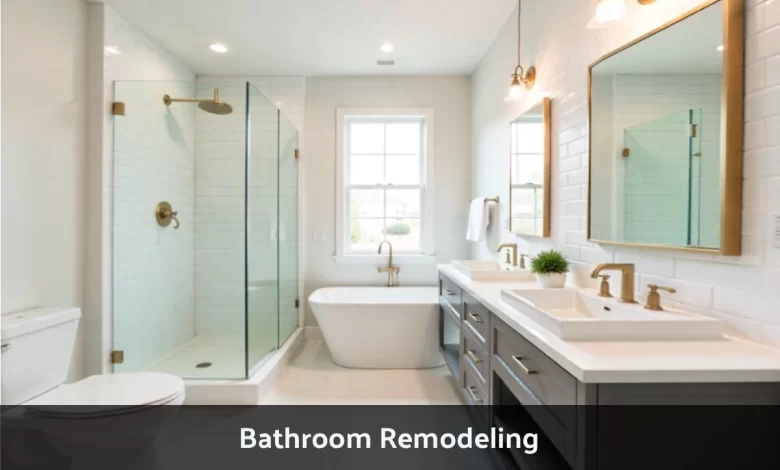
Bathroom remodeling in the USA costs between $6,000 and $30,000 on average in 2025, with most homeowners spending around $12,000 to $15,000. Costs depend on bathroom size, material quality, labor rates, and project scope. Small bathrooms range from $3,500 to $8,000, while luxury master bathroom remodels exceed $30,000.
Your bathroom deserves better than outdated fixtures and worn tiles. More than half of American homeowners planned bathroom renovations in 2025, making it one of the most popular home improvement projects nationwide. You’ll discover exactly what bathroom remodeling costs in your area, which design trends deliver the best return, and how to hire contractors who won’t waste your money or time.
What You’ll Pay for Bathroom Remodeling in 2025
Bathroom remodeling costs climbed to an average of $25,000 for mid-range projects in 2025, up from $24,606 in 2023. Your final price depends on your bathroom size, chosen materials, and how much you change the existing layout.
Small bathroom renovations (30-50 square feet) typically cost $3,500 to $8,000. Medium-sized bathrooms range from $7,500 to $15,000, while large or master bathrooms cost $15,000 to $30,000 or more. High-end remodels with premium finishes can exceed $100,000.
Here’s what you can expect to spend by project type:
- Basic refresh: $2,500 to $10,000 (paint, new fixtures, minor updates)
- Partial remodel: $6,000 to $25,000 (replace vanity, shower, flooring)
- Complete overhaul: $15,000 to $50,000+ (gut to studs, layout changes)
Cost Factors That Impact Your Budget
Labor accounts for about 50% of your total remodeling cost, averaging around $6,000. Your location dramatically affects pricing. Urban centers like New York City or San Francisco charge 25% to 30% more than rural areas for the same work.
Material costs increased 5% to 7% in 2025 due to tariffs on imported tiles, fixtures, and vanities. Plumbing and electrical work cost $25 to $150 per hour, depending on complexity and contractor expertise.
Moving plumbing lines doubles your renovation budget. Stick with your existing layout when possible to control costs.
Current Bathroom Remodeling Ideas Worth Your Money
Smart homeowners choose upgrades that improve daily comfort while adding resale value. Here are the trends delivering the best returns in 2025.
Walk-In Showers Replace Old Tubs
Frameless glass shower enclosures dominate bathroom remodels. They make small spaces feel larger and appeal strongly to potential buyers. Curbless, zero-entry designs work especially well for aging-in-place renovations.
Energy-Saving Fixtures Cut Utility Bills
Low-flow toilets, faucets, and showerheads reduce water consumption by 30% without sacrificing performance. LED lighting fixtures provide bright illumination while cutting electricity costs and lasting longer than traditional bulbs.
Modern fixtures pay for themselves through lower monthly bills. They also make your home more attractive to environmentally conscious buyers.
Double Vanities Add Function and Value
Master bathrooms benefit most from dual sink installations. Two people can get ready simultaneously without fighting for mirror space. Double vanities consistently rank among the highest-return bathroom investments.
Smart Technology Makes Life Easier
Heated floors feel amazing on cold mornings while helping to dry moisture quickly. Voice-controlled showers let you set the temperature and flow before stepping in. Smart mirrors include LED lighting and touch controls for better visibility.
These tech upgrades cost more upfront but significantly improve your daily routine.
Classic Design Elements Never Fade
White subway tiles paired with black or brushed gold fixtures create timeless appeal. Floating vanities offer clean lines and make floor cleaning easier. Marble or quartz countertops add luxury without looking dated in five years.
Neutral color palettes (grays, beiges, whites) appeal to the widest range of buyers when you eventually sell.
How to Find Reliable Bathroom Contractors Near You
Choosing the wrong contractor wastes thousands of dollars and months of frustration. Follow these steps to hire professionals who deliver quality work on schedule.
Verify Licenses and Insurance First
Every contractor must hold proper state licensing and carry liability insurance. Check credentials through your state’s contractor licensing board. Uninsured contractors leave you financially responsible if someone gets injured on your property.
Ask for certificates proving both general liability and workers’ compensation coverage. Never hire anyone who can’t provide these documents immediately.
Research Past Work and Client Reviews
Look up contractors on Google, Yelp, and the Better Business Bureau. Read recent reviews focusing on timeliness, communication, and problem-solving. Three or more complaints about the same issue signal trouble.
Request portfolios showing at least five completed bathroom projects similar to yours. Contact previous clients directly to ask about their experience.
Get Written Estimates from Three Contractors
Obtaining multiple contractor bids and clearly defining project scopes helps manage costs effectively. Each estimate should break down material costs, labor fees, permit expenses, and project timeline separately.
Beware of quotes significantly lower than others. Low-ball bids often mean cut corners or surprise charges later. Choose contractors offering detailed explanations and transparent pricing.
Ask the Right Questions Before Signing
Find out who handles permit applications. Reputable contractors obtain all required permits and schedule inspections. Anyone suggesting you skip permits raises major red flags.
Confirm warranty terms on both labor and materials. Quality contractors stand behind their work for at least one year. Ask about payment schedules too—never pay the full amount upfront.
What Permits Your Bathroom Remodel Requires
You will need permits if your remodel includes electrical, plumbing, or structural changes. Minor updates like painting or replacing fixtures typically don’t require approval.
Common permits include:
- Plumbing permit for moving or replacing pipes
- Electrical permit for new wiring, outlets, or lighting
- Building permit for layout changes or wall removal
Construction permit fees usually cost between $100 and $1,000. Skipping required permits leads to fines, insurance problems, and serious issues when selling your home.
Your contractor should handle the entire permit process. If they claim permits aren’t necessary for major changes, find someone else.
Budget-Friendly Ways to Remodel Your Bathroom
DIY bathroom remodels can save 30% to 50% on overall costs compared to hiring professionals. You can tackle certain tasks yourself while leaving complex work to licensed contractors.
DIY Projects That Actually Work
Paint walls and cabinets yourself using quality paint designed for high-moisture areas. Refinish your existing vanity instead of buying a new one. Install floating shelves for extra storage without cutting into walls.
Replace faucets, showerheads, and light fixtures yourself—these swap-outs require basic tools and minimal plumbing knowledge. Peel-and-stick tiles work well for backsplashes and accent walls in rentals or budget renovations.
Where to Hire Professionals
Always hire licensed electricians for any wiring changes. Mistakes with electrical work create fire hazards and code violations. Plumbers charge $25 to $150 per hour, depending on complexity, but they prevent expensive leaks and water damage down the road.
Tile installation looks easy until you start. Poor tile work shows immediately and costs more to fix than doing it right initially. Professional tilers charge $5 to $15 per square foot but deliver lasting quality.
Smart Material Choices Save Money
Ceramic, slate, porcelain, and vinyl tiles cost between $0.50 and $15 per square foot. Porcelain tiles offer excellent durability at moderate prices. Quartz countertops cost less than marble while providing similar elegance and better stain resistance.
Pre-made vanities cost $300 to $1,200 and install quickly. Custom vanities start at $2,000, but allow exact size matching for awkward spaces. Choose stock fixtures in modern finishes like matte black or brushed nickel for high-end looks without designer prices.
Real Return on Investment for Bathroom Remodels
Bathroom remodels recoup at least 45% of their costs, while mid-range renovations may recover up to 75% through increased home value. Updated bathrooms consistently rank among the most requested features in home listings.
Master bathroom renovations deliver stronger returns than guest bathroom updates. Focus your budget on the bathroom that potential buyers care about most.
Your location affects ROI significantly. Bathroom remodels in competitive housing markets return more than identical projects in slow-moving areas. Consult local real estate agents about which upgrades buyers in your neighborhood value most.
Keep your remodel proportional to your home’s overall value. A $50,000 bathroom in a $200,000 house rarely makes financial sense. Aim to spend 5% to 10% of your home’s value on bathroom renovations.
Common Mistakes That Waste Your Money
Poor ventilation causes mold, peeling paint, and warped cabinets. Bathroom fans and vents typically cost $200 to $500. Install proper ventilation that vents outside, not into your attic.
Inadequate waterproofing leads to rot behind walls and under floors. Spend extra on quality waterproof membranes in showers and around tubs. Cutting corners here costs thousands in future repairs.
Insufficient storage frustrates homeowners after renovations finish. Plan for medicine cabinets, linen closets, and vanity drawers before construction starts. Adding storage later costs more than including it initially.
Moving plumbing unnecessarily doubles your budget without adding real value. Keep toilets, sinks, and showers near existing drain lines when possible.
Timeline Expectations for Your Project
Standard bathroom remodels take 2 to 4 weeks, but that timeline depends on project scope and bathroom size. Simple cosmetic updates might finish in one week. Complete overhauls with plumbing changes can take a month or longer.
Expect this general timeline:
- Planning and design: 1 to 2 weeks
- Demolition: 1 to 3 days
- Plumbing and electrical rough-in: 2 to 5 days
- Inspections: vary by location
- Tile, fixtures, and finishes: 1 to 2 weeks
Lead times for specialized fixtures and custom vanities have stretched, requiring homeowners to plan projects months. Order long-lead items early to avoid construction delays.
Supply chain disruptions still affect availability in 2025. Delays in material delivery force contractors to extend project timelines, impacting their availability and driving up costs. Build a 10% to 20% contingency fund into your budget for unexpected issues.
Final Thoughts
Bathroom remodeling transforms one of your home’s most-used spaces while adding measurable value. Start by setting a realistic budget that matches your home’s overall worth. Research contractors thoroughly and verify all credentials before signing contracts.
Focus your money on quality materials for high-use items like faucets, toilets, and tile. Choose timeless designs over trendy looks that date quickly. Plan for proper ventilation and waterproofing from the start.
Most importantly, get everything in writing. Detailed contracts protect both you and your contractor from misunderstandings. With smart planning and the right professionals, your bathroom remodel will deliver years of comfort and satisfaction.
Frequently Asked Questions
How long does a typical bathroom remodel take?
Most bathroom remodels take 2 to 4 weeks from demolition to completion. Cosmetic updates finish faster, while projects involving plumbing or layout changes can take a month or more.
Do I need permits to remodel my bathroom?
You need permits for any work involving plumbing, electrical, or structural changes. Simple updates like painting or replacing fixtures typically don’t require permits. Your contractor should handle all permit applications.
What’s the best way to save money on a bathroom remodel?
Keep your existing plumbing layout, choose mid-range materials over luxury options, and handle simple tasks like painting yourself. Get multiple contractor bids and plan carefully to avoid expensive changes mid-project.
Will a bathroom remodel increase my home’s value?
Yes. Mid-range bathroom remodels typically recoup 60% to 75% of their cost through increased home value. Updated bathrooms rank among the most desired features for home buyers.
How much should I budget for unexpected costs?
Set aside 10% to 20% of your total budget for contingencies. Hidden water damage, outdated wiring, or structural issues often emerge during demolition and require additional work.