Barndominium vs Traditional Homes: Complete Comparison Guide
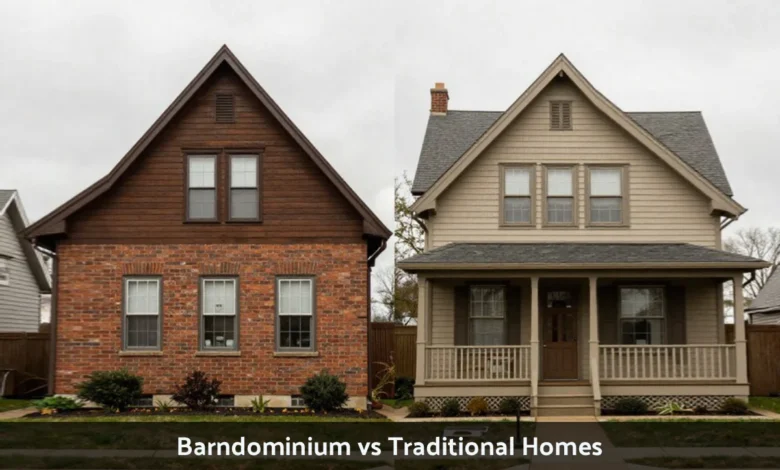
Barndominiums are metal or steel-framed homes combining barn aesthetics with modern living spaces, typically costing $150-$250 per square foot. Traditional homes use wood or brick framing and cost $220-$320 per square foot. While barndominiums offer faster construction and lower maintenance, traditional homes provide better resale value and easier financing options.
What Makes Barndominiums Different from Traditional Homes
Your home is your biggest investment. You need to know exactly what you’re getting before you commit to one style over another.
A barndominium combines barn and condominium concepts. These structures use steel or metal framing with large, open floor plans and high ceilings. They started in Texas when ranchers built living spaces inside their barns to monitor livestock during storms.
Traditional homes use wood or brick framing. They follow standard construction methods that have been refined over decades. You’ll find these in subdivisions, urban areas, and rural settings across the country.
The construction methods create the biggest difference. Barndominiums rely on pole barn or steel frame systems. Traditional homes use stick-built framing with load-bearing walls throughout the structure.
Cost Comparison: What You’ll Actually Pay
Money matters when choosing between these two options. The numbers tell an interesting story.
Barndominiums typically cost $150-$250 per square foot for a finished home in 2024. The shell-only version runs 60-80% less. A 2,000-square-foot barndominium ranges from $150,000 to $250,000, depending on finishes and features.
Traditional homes cost $220-$320 per square foot in the same regions. That same 2,000-square-foot home would run $440,000 to $640,000.
Here’s what affects your final price:
- Total square footage of living and garage space
- Exterior finishes like stone, brick, or metal siding
- Interior materials, including flooring, cabinets, and countertops
- Current material costs in the commodities market
- Site preparation and foundation work
- HVAC, electrical, and plumbing systems
The barndominium’s metal shell costs less upfront. However, you can easily spend more on interior finishes if you’re not careful. Many buyers choose high-end kitchens, bathrooms, and flooring that push costs into traditional home territory.
Traditional homes include most finishes in the base price. You know what you’re getting from the start. Barndominiums often require separate budgets for interior work.
Construction Speed and Process
Time is construction money. Barndominiums win this category clearly.
A standard traditional home takes eight months from start to finish. Your builder needs time for framing, exterior work, and all interior systems.
Barndominiums take about six months with a contractor team. The metal frame goes up faster than wood framing. Some builders report completing the shell in just four weeks.
Pre-engineered barndominium kits simplify construction further. You get pre-cut materials delivered to your site. This reduces waste and speeds up assembly.
The faster timeline means:
- Less money tied up in construction loans
- Quicker move-in dates
- Lower labor costs overall
- Reduced exposure to weather delays
Traditional homes face more weather-related delays. Wood framing needs protection from rain and snow during construction. Metal barndominiums handle weather better during the build process.
Design Flexibility and Floor Plans
Your lifestyle determines which option gives you more freedom.
Barndominiums excel at open-concept designs. The metal framing doesn’t need interior load-bearing walls. You can create massive great rooms, open kitchens, and flowing spaces without columns or structural walls.
High ceilings are standard in barndominiums. Most feature 14-foot ceilings compared to 8-9 feet in traditional homes. This creates an airy, spacious feeling.
Traditional homes offer different advantages. You get more defined rooms and better noise control between spaces. Compartmentalized layouts work well for families who want privacy.
Two-story barndominiums save money per square foot. You get double the floor area on the same foundation. Adding a second floor to your barndominium can reduce your per-square-foot cost by 25% compared to a single-story design.
Customization options exist for both styles. Barndominiums let you modify the open space however you want. Traditional homes allow changes within their structural framework.
Durability and Maintenance Requirements
Long-term costs matter as much as upfront prices.
Barndominiums use steel or metal framing that resists:
- Termite damage
- Rot and decay
- Fire damage
- High winds and storms
The metal exterior requires minimal maintenance. You won’t repaint siding every few years. No wood trim needs replacing or repairing.
However, metal structures face corrosion risks in humid climates. Coastal areas or regions with high humidity require protective coatings and regular inspections. This adds maintenance costs over time.
Traditional homes need more routine upkeep. Wood siding requires painting or staining every 5-7 years. Brick needs occasional tuckpointing. Vinyl siding can crack and need replacement.
Weather resistance varies by region. Barndominiums handle wind and storms well due to their metal construction. Traditional homes with proper insulation perform better in extreme cold, where heat retention matters most.
The National Association of Home Builders reports that 7% of builders now construct barndominiums. This shows growing acceptance in the industry.
Energy Efficiency and Operating Costs
Your monthly utility bills add up over decades of homeownership.
Barndominiums offer natural energy efficiency through their simple design. The open floor plan means you’re heating and cooling fewer divided spaces. Many barndominium owners add spray foam insulation, solar panels, and energy-efficient windows.
Metal conducts heat and cold more than wood. Without proper insulation, you’ll face higher heating and cooling costs. Most modern barndominiums address this with upgraded insulation packages.
Traditional homes typically include better standard insulation. Thicker walls, attics, and crawl spaces provide more insulation opportunities. They retain heat better in winter climates.
Smart home systems work in both building types. You can automate lighting, HVAC, and security regardless of your construction method.
Energy costs depend more on your choices than the building type. A well-insulated barndominium with solar panels beats a poorly insulated traditional home every time.
Financing and Insurance Challenges
Getting money for your project matters as much as the building itself.
Traditional homes qualify for standard mortgages easily. Every lender understands stick-built construction. You’ll get competitive interest rates and favorable terms.
Barndominiums face more scrutiny from lenders. Many banks classify them as commercial or agricultural buildings. This creates several problems:
- Fewer lending options available
- Higher interest rates on approved loans
- Larger down payment requirements
- More documentation is needed for approval
Some lenders now offer specialized barndominium financing. You’ll need to shop around and possibly work with agricultural lenders or credit unions.
Insurance presents similar challenges. Many carriers don’t have clear policies for barndominiums. You might pay higher premiums or face coverage limitations.
Traditional homes get standard homeowner’s insurance without question. Rates are competitive because insurers understand the risks.
Recent data shows financing has improved. More banks now recognize barndominiums as legitimate residential structures. The market is catching up with demand.
Zoning, Permits, and Location Restrictions
Where you build determines whether your project is even possible.
Barndominiums face strict limitations in many areas:
- Most urban and suburban zones prohibit them
- Subdivision covenants often exclude metal buildings
- Some counties restrict residential barndominiums entirely
You’ll likely need rural land or specific agricultural zones. This limits your location options significantly.
Traditional homes work almost anywhere. Residential zoning allows stick-built construction in cities, suburbs, and rural areas. You have more flexibility in choosing where to live.
Permits for barndominiums vary by jurisdiction. Some building departments lack clear guidelines for metal residential structures. This can delay your project or increase costs.
Research your local codes before buying land. One expensive mistake is purchasing property where you can’t build your desired structure.
Building departments increasingly understand barndominiums. As they become more common, the permitting process gets easier. Texas, Oklahoma, Louisiana, Alabama, and Mississippi lead in barndominium-friendly regulations.
Resale Value and Market Appeal
Your exit strategy matters even if you plan to stay forever.
Traditional homes maintain strong resale value. Decades of market data support stable appreciation rates. Buyers understand what they’re getting. The familiar construction appeals to a broad audience.
Barndominiums appreciate at 2-3% annually according to recent appraisal studies. This matches commercial property appreciation rates. Some rural areas report 20-30% total appreciation over five years with proper maintenance.
The resale market for barndominiums is smaller. Fewer buyers specifically want metal homes. You might wait longer to find the right buyer.
Location heavily influences resale success. Barndominiums sell better in rural areas where they fit the landscape. Urban barndominiums face skepticism from traditional home buyers.
Unique customizations help and hurt. Your custom workshop or oversized garage might not appeal to the next buyer. Generic features sell better than highly personal choices.
Traditional homes appeal to everyone. Families, retirees, and young professionals all consider standard homes. This broader market means faster sales when you’re ready to move.
Real estate agents report mixed results. Barndominiums in the right markets sell quickly. Those in resistant markets sit longer than traditional homes.
Interior Living Experience and Comfort
Daily comfort affects your quality of life more than construction details.
Barndominiums provide bright, open spaces. Large windows and high ceilings create an airy atmosphere. The open floor plan lets families gather easily.
However, metal buildings transfer sound easily. You’ll hear rain, wind, and external noise more clearly. Inside noise also travels through open spaces without walls to block it.
Traditional homes offer better acoustic isolation. Separate rooms and thicker walls dampen sound. You get more privacy between bedrooms and living spaces.
Temperature consistency differs between the two. Traditional homes with good insulation maintain steady temperatures. Barndominiums can have hot and cold spots without proper HVAC design.
Storage solutions vary significantly. Barndominiums often include large garage areas or workshops attached to living spaces. Traditional homes rely on closets, attics, and basements for storage.
The barndominium aesthetic isn’t for everyone. Exposed beams and industrial elements appeal to some buyers. Others prefer traditional crown molding and detailed trim work.
Final Thoughts
Both options offer distinct advantages for different buyers.
Choose a barndominium if you:
- Want faster construction and lower upfront costs
- Value open floor plans and high ceilings
- Plan to build in rural areas with fewer restrictions
- Need a workshop or storage space attached to your home
- Prefer low-maintenance exteriors
- Can handle more complex financing
Choose a traditional home if you:
- Need easier financing and insurance
- Want to build in urban or suburban areas
- Prefer compartmentalized room layouts
- Value strong resale potential
- Want better sound insulation
- Need neighborhood acceptance
The market continues to change. Barndominiums gain acceptance every year. Seven percent of builders now offer them, according to National Association of Home Builders data from 2024.
Your decision depends on your specific situation. Consider your location, budget, timeline, and long-term plans. Both paths lead to homeownership if you choose the right one for your needs.
Frequently Asked Questions
Are barndominiums cheaper than traditional homes?
Shell costs run 30-50% less for barndominiums. However, total finished costs often come close to traditional homes once you add interior finishes, HVAC, plumbing, and electrical systems.
How long do barndominiums last?
Well-maintained metal barndominiums last 50+ years. The steel framing doesn’t rot, warp, or attract termites like wood framing. Regular inspections and protective coatings prevent corrosion.
Can you get a mortgage for a barndominium?
Yes, but it’s harder than traditional home financing. Agricultural lenders, credit unions, and specialized lenders offer barndominium mortgages. Expect higher interest rates and larger down payments.
Do barndominiums have resale value?
Barndominiums appreciate at 2-3% annually, similar to commercial properties. Location matters significantly. Rural properties see better resale success than urban locations.
What states allow barndominiums?
All states technically allow them, but local zoning determines actual viability. Texas, Oklahoma, Louisiana, Alabama, and Mississippi have the most barndominium-friendly regulations and builders.