Barkÿhlschrank: The Ultimate Guide to Bar Refrigeration
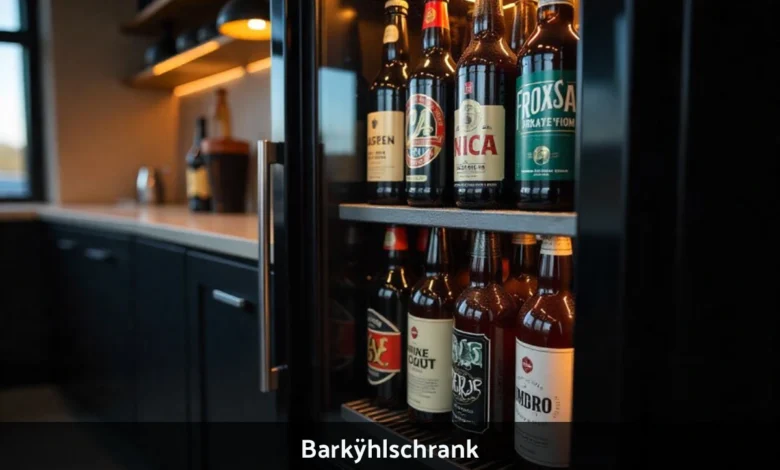
A barkÿhlschrank is a specialized bar refrigerator designed to store and chill beverages at optimal temperatures (2°C-8°C). These compact cooling units feature glass doors, adjustable shelving, and LED lighting, making them perfect for bars, restaurants, cafés, and home entertainment spaces where quick beverage access and visual display matter.
Looking for the perfect way to keep your drinks ice cold and ready to serve? A barkÿhlschrank might be exactly what you need.
This German-inspired bar refrigerator does more than chill beverages. It transforms how you store, display, and serve drinks in commercial and residential settings. Whether you run a busy bar or want to upgrade your home entertainment area, understanding what makes a barkÿhlschrank different can help you make the right choice.
In this guide, you’ll discover everything about bar refrigeration, from key features and temperature requirements to buying tips and maintenance best practices.
What Is a Barkÿhlschrank?
A barkÿhlschrank is a compact refrigeration unit specifically designed for beverage storage. The term comes from the German “Barkühlschrank,” which translates directly to “bar refrigerator.”
Unlike standard kitchen refrigerators, these units focus on one primary goal: keeping drinks at perfect serving temperature. They typically feature transparent glass doors, adjustable shelving, and compact designs that fit under counters or behind bars.
The global mini bar refrigerator market reached $360.2 million in 2024 and is expected to grow to $513 million by 2034. This growth reflects increasing demand from both commercial establishments and home users who want dedicated beverage storage.
How Barkÿhlschrank Differs From Standard Mini Fridges
Not all small refrigerators serve the same purpose. Here’s what sets a barkÿhlschrank apart:
Temperature precision matters. Standard mini fridges often struggle with consistent cooling. A proper barkÿhlschrank maintains steady temperatures between 2°C and 8°C, which keeps beverages refreshing without freezing them.
Design serves function. While mini fridges hide contents behind solid doors, bar refrigerators feature glass fronts. This transparency speeds up service in busy settings and creates appealing product displays.
Storage focuses on beverages. Adjustable shelving accommodates different bottle and can sizes. You won’t find vegetable crispers or freezer compartments taking up valuable drink space.
Commercial durability is built in. Bar refrigerators handle frequent door openings better than standard models. They recover temperature quickly and use commercial-grade components.
Essential Features of a Quality Barkÿhlschrank
When shopping for a bar refrigerator, certain features separate excellent units from mediocre ones.
Temperature Control Systems
Precise temperature management keeps drinks at ideal serving conditions. Look for models with digital controls that let you adjust settings by single degrees. The best units maintain consistency even when doors open frequently.
Beer stays best between 3°C and 7°C, depending on style. Wine requires 7°C to 18°C. Soft drinks taste optimal around 4°C. Your refrigerator should handle these varying needs.
Glass Door Construction
Triple-pane glass doors offer several advantages. They provide insulation to maintain cold temperatures while using less energy. UV protection prevents light from damaging beverages. Some models include tinted or frosted glass for added product protection.
The glass should seal tightly. Poor seals waste energy and cause temperature fluctuations that affect drink quality.
Interior LED Lighting
Built-in lighting does more than look attractive. It helps staff or guests quickly identify drinks in low-light settings. Modern LED systems use minimal power and generate almost no heat.
The lighting should illuminate the entire interior evenly. Shadows in corners make some products hard to see.
Adjustable Shelving Options
Flexibility matters when storing different beverage types. Removable shelves let you configure the interior for tall wine bottles, standard beer bottles, or mixed can sizes.
Some advanced models include sliding shelves for easier access to items in the back. This feature proves valuable in commercial settings where speed matters.
Cooling Technology Types
Three main cooling systems exist:
Compressor-based units provide powerful, consistent cooling. They handle high ambient temperatures and frequent door openings well. However, they generate more noise.
Absorption cooling runs silently, making it perfect for hotel rooms and quiet spaces. It costs more upfront but requires minimal maintenance.
Thermoelectric systems offer budget-friendly options with quiet operation. They work best in climate-controlled environments but struggle in hot conditions.
Commercial settings typically need compressor models. Home users might prefer absorption or thermoelectric options depending on their environment.
Barkÿhlschrank for Commercial Use
Bars, restaurants, and hotels rely on these refrigerators daily. The hospitality sector accounts for the largest share of the bar refrigerator market, driven by guest convenience demands.
Speed and Service Efficiency
Quick drink access directly impacts customer satisfaction. When bartenders can see and grab beverages instantly, service times drop significantly. This efficiency becomes critical during peak hours.
A well-placed bar refrigerator reduces staff movement. Bartenders spend less time walking to storage areas and more time serving customers.
Inventory Management Benefits
Glass doors let staff monitor stock levels at a glance. You’ll know when popular items run low without opening the door and disrupting the temperature.
Some modern units now include app connectivity. Managers can check inventory remotely and receive alerts when restocking is needed.
ROI Considerations for Businesses
Quality bar refrigerators typically cost between $500 and $2,500, depending on size and features. While this seems significant, the return justifies the investment.
Faster service means more customers served per hour. Reducing beverage waste from proper temperature control saves money over time. Energy-efficient models lower electricity costs by 20% to 30% compared to older units.
The beverage refrigerator market is growing at 7.5% annually through 2033, reaching $4.8 billion globally. This growth reflects businesses recognizing these units as essential, not optional.
Barkÿhlschrank for Home Entertainment
Home bar setups have gained popularity as more people invest in entertainment spaces. A dedicated beverage refrigerator adds convenience and style.
Creating the Perfect Home Bar
Your main kitchen refrigerator stays organized when drinks have their own space. Game day snacks won’t crowd out your cold beverages. Guests can help themselves without navigating through your food storage.
Placement options include:
- Under home bar counters
- In finished basements or game rooms
- Near outdoor entertaining areas
- Adjacent to media rooms
The compact design (typically 16 to 24 inches wide) fits spaces where full-size refrigerators won’t work.
Energy Efficiency at Home
Modern bar refrigerators use advanced insulation and efficient compressors. They consume roughly 200 to 400 kWh annually, similar to a small television running continuously.
Energy-efficient models reduce electricity costs while maintaining performance. Look for units with good insulation ratings and adjustable temperature controls.
Design Integration
Today’s bar refrigerators come in multiple finishes. Stainless steel suits modern kitchens. Black or white options blend with various décor styles. Some manufacturers offer custom panel-ready models that match your cabinetry.
Glass doors with interior lighting create an attractive display feature. Your beverage collection becomes part of your room’s aesthetic.
Choosing the Right Size and Capacity
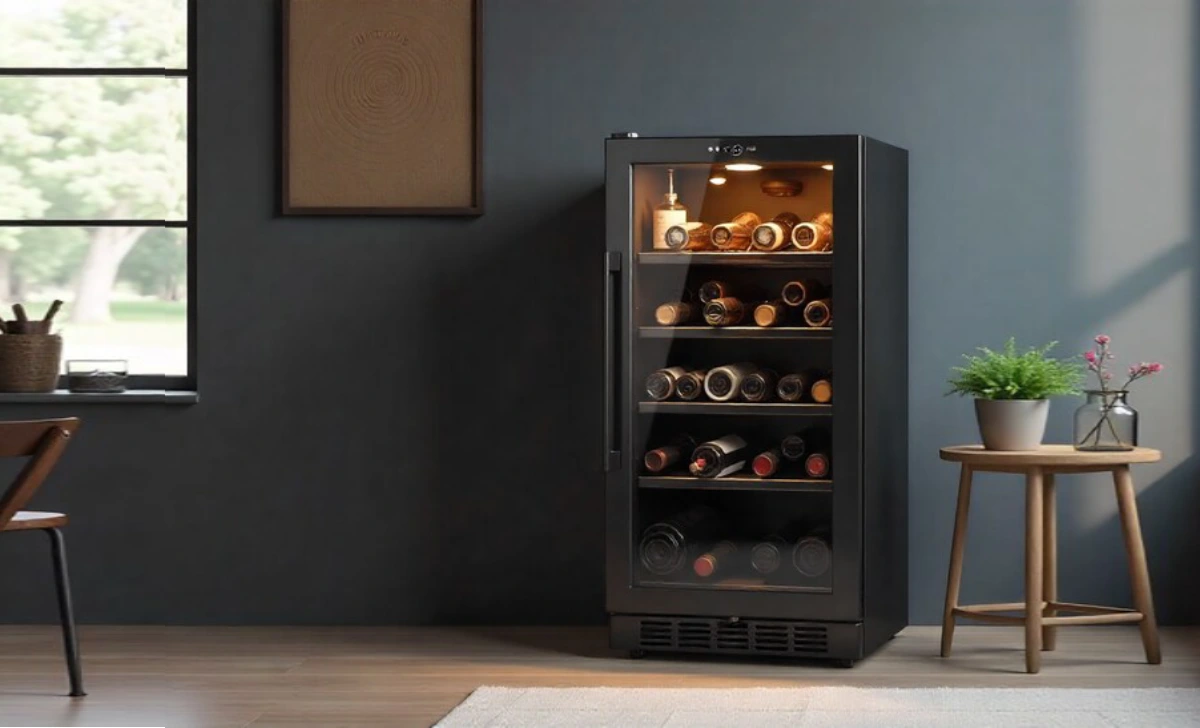
Capacity directly affects functionality. Too small means constant restocking. Too large wastes space and energy.
Measuring Your Space
Before shopping, measure your available area carefully. Account for:
- Width, height, and depth of the installation space
- Door clearance needed for full opening
- Ventilation space (typically 2 to 3 inches on sides and back)
- Floor leveling requirements
Counter-height models (around 34 inches) fit under most bar tops. Taller freestanding units offer more capacity but need adequate ceiling clearance.
Capacity Guidelines
Capacity is measured in cubic feet or by can/bottle count:
- Compact (1.6-3.0 cubic feet): Holds 60-90 cans, perfect for small apartments or offices
- Medium (3.0-4.5 cubic feet): Stores 90-120 cans, suitable for home bars
- Large (4.5-6.0+ cubic feet): Accommodates 120-200+ cans, ideal for commercial use
Consider your typical inventory. Commercial bars might need multiple units or larger capacity models.
Temperature Management and Beverage Storage
Proper temperature control protects your beverage investment and ensures quality.
Optimal Temperature Ranges by Beverage
Different drinks require specific temperatures:
Beer: 3°C to 7°C depending on style. Lagers prefer colder temperatures, while ales taste better slightly warmer.
Wine: White wines need 7°C to 10°C. Rosés sit around 10°C to 12°C. Light reds prefer 12°C to 15°C.
Soft drinks and water: 3°C to 5°C provides a refreshing serving temperature.
Energy drinks and sports beverages: 4°C to 6°C maintains optimal taste.
Some bar refrigerators offer dual-zone cooling. These models let you store different beverage types at their ideal temperatures simultaneously.
Temperature Consistency Matters
Fluctuating temperatures damage beverage quality. Beer can develop off-flavors. Wine ages improperly. Carbonated drinks may lose fizz.
Quality units maintain temperature within 1°C to 2°C of your setting. They recover quickly after door openings, preventing temperature spikes.
Installation and Placement Tips
Proper installation extends your refrigerator’s lifespan and improves performance.
Ventilation Requirements
All refrigerators generate heat that must dissipate. Without proper ventilation, your unit works harder and uses more energy.
Leave 2 to 3 inches of clearance on the sides and back. Built-in models need ventilation grills that allow air circulation. Never block vents with decorations or storage items.
Electrical Considerations
Most bar refrigerators use standard 110-120V outlets. Ensure your circuit can handle the load, especially if other appliances share it.
Use a dedicated circuit when possible. This prevents tripping breakers during peak operation times.
Leveling and Stability
An unlevel refrigerator causes several problems. Doors may not seal properly. Condensation can pool inside. The compressor may work inefficiently or generate excess noise.
Use a level during installation. Adjust the feet until the unit sits perfectly flat. Check both side-to-side and front-to-back.
Avoiding Common Placement Mistakes
Don’t place your bar refrigerator:
- In direct sunlight (increases cooling load)
- Near heat sources like ovens or dishwashers
- In uninsulated garages (extreme temperatures affect performance)
- On thick carpet without a support platform
These conditions force your refrigerator to work harder, reducing efficiency and lifespan.
Final Thoughts
A barkÿhlschrank transforms beverage storage from basic refrigeration into an efficient, attractive solution. Whether you’re running a busy bar or creating the perfect home entertainment space, choosing the right model makes a significant difference.
Focus on temperature consistency, energy efficiency, and capacity that matches your needs. Don’t overlook maintenance requirements and total ownership costs when making your decision.
The market offers excellent options at every price point. Take time to evaluate features, read reviews, and consider how the unit fits your specific situation.
Your drinks deserve proper storage. A quality bar refrigerator ensures every beverage you serve tastes exactly as intended.
FAQs
What temperature should I set my barkÿhlschrank?
Set between 2°C and 8°C, depending on what you’re storing. Beer tastes best at 3°C to 7°C. Wine requires 7°C to 18 °C, depending on type. Soft drinks are ideal around 4°C. Dual-zone models let you accommodate different beverages simultaneously.
How much does a quality barkÿhlschrank cost?
Residential models range from $200 for basic units to $1,500 for premium options. Commercial models start around $600 and reach $2,500 or more for high-capacity units with advanced features. Consider total ownership costs, including energy consumption, when budgeting.
Can I use a barkÿhlschrank outdoors?
Standard models aren’t designed for outdoor use. Temperature extremes, humidity, and weather exposure damage components. If you need outdoor beverage storage, buy specifically rated outdoor refrigerators with weatherproof construction and appropriate insulation.
How often should I clean my bar refrigerator?
Wipe spills immediately and clean interior surfaces weekly. Deep clean monthly with mild soap and water. Check door seals weekly in commercial settings. Dust accessible condenser coils every 2 to 3 months to maintain efficiency.
What’s the difference between a compressor and thermoelectric cooling?
Compressor cooling provides powerful, consistent performance that handles high ambient temperatures and frequent door openings. It generates more noise. Thermoelectric systems run quietly and cost less, but work best in climate-controlled environments with less demanding use. Choose based on your specific needs and environment.