Backyard Pool Small Yard: Complete Design Guide
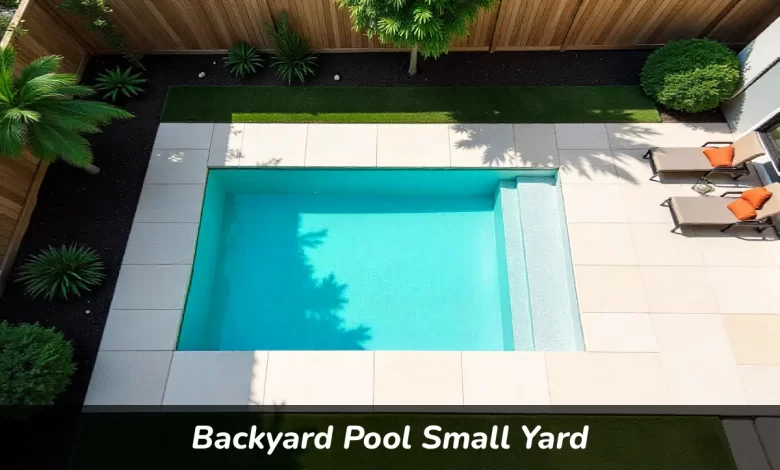
A backyard pool for a small yard requires just 1,200 square feet of space. Popular options include cocktail pools (10×16 feet), plunge pools, and compact lap pools. You need at least 15 square feet per person for comfortable swimming, and pools should be 10 feet from your home. Small pools reduce maintenance costs and heating expenses significantly.
Your backyard is small. You want a pool. You think it’s impossible.
You’re wrong.
Thousands of homeowners install pools in compact yards every year. The key is understanding what works in a limited space and what doesn’t. This guide shows you how to design, size, and install a pool that fits your small yard without sacrificing function or style.
How Small Can You Build a Pool?
The smallest practical inground pool is about 8 feet by 15 feet. But just because you can build that small doesn’t mean you should.
A pool that’s too small creates problems. You can’t swim comfortably. Your guests feel cramped. The water quality suffers because there’s less volume to balance chemicals properly.
Most experts recommend starting at 10 feet by 16 feet minimum. This size gives you enough space to actually use the pool. You can cool off on hot days. A few friends can join you. You have room to move around.
The average small pool measures between 10 by 20 feet and 14 by 28 feet. These dimensions work well because they balance usable space with practical maintenance needs.
Here are common small pool dimensions:
- 8′ x 24′
- 10′ x 16′
- 10′ x 20′
- 12′ x 14′
- 12′ x 24′
- 12′ x 25′
- 13′ x 24′
- 14′ x 28′
Your yard size determines what you can actually build. A 1,200 square foot backyard provides enough room for a pool plus essential deck space. Many designers recommend that pools occupy no more than 25% of your total yard area.
Calculating Space for Your Backyard Pool Small Yard
Math determines whether your pool is big enough for your needs.
You need 15 square feet of pool surface per person. Less than this and your pool feels overcrowded. More than this, and you’re wasting money on unused space.
Calculate your total surface area by multiplying length by width. A 12-foot by 25-foot pool gives you 300 square feet. Divide that by 15 square feet per person, and you can comfortably accommodate 20 people.
Your family has 4 people. You invite 4 friends over. Your kids bring 6 friends. That’s 14 people total.
14 people x 15 square feet = 210 square feet minimum
A 12 by 25 pool (300 square feet) works perfectly. An 8 by 15 pool (120 square feet) doesn’t. Simple as that.
This calculation prevents you from building too small. It also stops you from overbuilding when a smaller pool would work fine.
Popular Small Pool Shapes That Maximize Space
Three shapes dominate small yard pool design. Each serves different purposes.
Cocktail Pools
Cocktail pools are the smallest option. They typically measure 10 feet by 16 feet with a depth of 4 feet. Built-in benches line three sides. Stairs occupy the fourth side.
These pools excel at cooling off and socializing. You can’t swim laps. You won’t get serious exercise. But you will enjoy relaxing after work or hosting small gatherings.
Cocktail pools fit in spaces where traditional pools simply won’t work. They’re perfect for urban yards or properties with odd shapes.
Freeform Pools
Freeform pools use curves to pack more swimming area into less perimeter space than rectangular designs. The kidney-shaped versions start at 150 square feet.
These pools offer multiple seating areas. The curves create natural spots for conversation. You can add water features or spillover spas if you have room.
The downside? Freeform shapes don’t work well for lap swimming. The curves interrupt your stroke. If exercise is your primary goal, choose a different shape.
Lap Pools
Lap pools are narrow (typically 12 feet wide) but longer. A 24 by 12 lap pool gives you 288 square feet for serious swimming without taking up excessive yard space.
You don’t need a 40 to 50-foot competition-length pool for home workouts. A 20 to 28-foot pool provides adequate space for fitness swimming unless you’re training at an elite level.
Lap pools work best on longer, narrower properties. They’re less useful if you want a social gathering space.
Depth Requirements for Small Yard Pools
Depth affects what you can do in your pool.
Most small pools range from 3 to 6 feet deep. This depth allows comfortable swimming without wasting vertical space. Deeper pools cost more to heat and maintain.
You need specific depths for different activities:
- Floating and wading: 3 feet minimum
- Swimming laps: 4 to 5 feet minimum
- Water slides: 3 feet minimum at landing zone
- Diving boards: 8 feet minimum (not realistic for most small pools)
Diving boards don’t work in small pools. The depth requirements make them impractical and dangerous. Forget the diving board. Focus on features that actually fit your space.
Distance Requirements and Legal Restrictions
You can’t build your pool anywhere you want.
Federal regulations require at least 10 feet between your pool edge and your home’s outer wall. Some municipalities demand 25 feet or more. These rules exist to prevent electrical safety issues from water splashing or leaking.
Property line setbacks vary by location. Your local zoning office determines exactly how close you can build to your fence or neighbor’s property. Call them before you start planning.
Access matters too. Pool builders need space to bring equipment into your yard. A 4-foot-wide side yard won’t work if they need to transport an 8-foot-wide fiberglass shell.
Underground utilities present another constraint. Gas lines, water mains, and electrical conduits run beneath many yards. Hitting one during excavation creates expensive problems and dangerous situations.
Hire a pool professional who knows your local regulations. They’ll survey your property and tell you exactly what’s possible within legal limits.
Material Choices: Fiberglass vs Vinyl vs Concrete
Three materials dominate small pool construction. Each has clear advantages.
Fiberglass pools arrive pre-manufactured. Installation takes as little as three days after excavation. The smooth surface resists algae growth. Maintenance stays low because the non-porous material doesn’t require resurfacing.
Fiberglass works perfectly for small pools. The factory builds the shell to exact specifications. You choose from existing designs rather than creating custom shapes.
Vinyl liner pools cost less upfront. Builders excavate, pour the pool structure, then apply and seal a vinyl liner. Installation takes several weeks. The liner needs replacement every 5 to 9 years at a cost of $4,000 to $7,000.
Vinyl allows more shape flexibility than fiberglass. The liner can form custom curves and angles that fiberglass shells can’t match.
Concrete pools offer unlimited customization. Any shape, any size, any feature you imagine becomes possible. But that flexibility comes at a steep price.
Concrete’s porous surface requires resurfacing every 10 years. Algae grows more easily in the tiny pits. Chemical costs run higher. Maintenance demands more time and money.
For small yards, fiberglass or vinyl makes more sense than concrete. The cost savings on maintenance matter more when you’re already working with budget constraints from a smaller pool.
Cost Comparison: Small Pools vs Large Pools
Small pools save money in ways you might not expect.
Lower installation costs: A 10 by 10 foot inground pool averages $17,500 to build. A 20-by-40-foot pool costs significantly more. The material and labor scale directly with size.
Reduced heating expenses: Heating a smaller water volume costs less. If you want to extend your swimming season into fall or enjoy evening swims, the savings add up quickly.
Decreased chemical usage: Less water means fewer chemicals to balance pH and chlorine levels. Your monthly chemical costs drop proportionally.
Lower energy bills: Your filtration system pumps less water. The pump runs the same hours but works less hard. Energy costs decrease measurably.
Cheaper repairs and resurfacing: If you need to replace a liner, regrout tiles, or resurface concrete, a smaller surface area means lower bills.
Less expensive water refills: Whether you’re closing for winter or making repairs, refilling costs less with smaller water volumes.
Maintenance Reality for Small Pools
Small pools are easier to maintain. That’s not marketing speak. That’s physics.
You have less surface area to skim for leaves and debris. Your brush covers the walls and floor faster during weekly cleanings. Vacuuming takes half the time of a large pool.
The filtration system cycles the water more efficiently. A properly sized pump and filter combination keeps your small pool cleaner with less effort.
Chemical balancing becomes simpler. You’re adjusting smaller quantities. Mistakes have less dramatic consequences. Corrections happen faster.
One warning: don’t buy a pool that’s too small for your planned usage. An undersized pool used by too many people requires more maintenance, not less. The water quality suffers when usage exceeds capacity.
Common Small Pool Features Worth Adding

Certain features make sense in small spaces. Others don’t.
LED lighting transforms your pool at night. Modern systems let you change colors and create lighting programs. The installation cost is reasonable, and the visual impact is significant.
Tanning ledges create a shallow wading area (typically 6 to 12 inches deep) perfect for lounging. They work well in small pools because they’re built into the structure rather than consuming separate space.
Heating systems extend your swimming season. Small pools heat faster and cheaply than large ones. A heater makes financial sense when you’re heating less water volume.
Automatic covers improve safety and reduce maintenance. They keep debris out when you’re not swimming. They also slow water evaporation and retain heat.
Water features like fountains or spillways add visual interest. In small spaces, they double as attractive focal points when you’re not actually swimming.
Skip the diving board. It’s not safe in a small pool. Skip the massive waterslide unless you have adequate depth and landing area. Focus on features that match your pool’s actual capabilities.
Design Tips for Small Yard Pool Layouts
Smart design makes small spaces feel larger.
Position your pool offset to one side rather than centering it. This creates a larger usable deck area on one side instead of small strips on all sides. The concentrated deck space works better for furniture and entertaining.
Use lighter colored materials for your deck and coping. Light travertine or concrete reflects more light and creates an open feeling. Dark materials make spaces feel smaller.
Keep landscaping low near the pool perimeter. Tall plants create visual barriers that shrink your space. Low shrubs and ground cover maintain sightlines across your yard.
Choose simple, clean lines for your pool shape and deck. Complicated designs with multiple angles and curves clutter small spaces. Simplicity creates a sense of openness.
Extend decking to yard edges where possible. If your grass meets your deck with no transition, the entire yard feels more cohesive and larger.
Installation Timeline for Small Pools
Installation speed depends on several factors.
Fiberglass pools install fastest. Once the excavation is complete, the pre-manufactured shell drops into place in a few hours. You can swim within three to five days.
Vinyl liner pools take several weeks. Builders excavate, pour the pool structure, install the liner, seal everything, then fill and balance the water.
Weather affects every timeline. Rain creates mud that complicates installation. Snow and ice make excavation impossible. Frozen ground can’t be dug. Summer and early fall offer the most predictable installation windows.
Terrain matters too. Level ground with good drainage installs easily. Rocky soil requires additional excavation time and possibly specialized equipment. Sloped yards need grading work before pool installation begins.
Add-on features extend your timeline. Electrical work for lights, plumbing for water features, and gas lines for heaters all require additional trade contractors and inspections.
Expect a minimum of three days for simple fiberglass installations. Budget several weeks for vinyl or concrete. Plan for weather delays. Professional builders will give you realistic timelines based on your specific situation.
FAQs
Can I build a pool if my yard is less than 1,200 square feet?
Yes, but your pool will be very small. A cocktail pool (10×16 feet) requires only 160 square feet plus deck space. Add 200 square feet for minimal decking, and you can fit a pool in an 800 square foot yard. You’ll have almost no remaining green space.
How much does a small inground pool cost?
A basic 10×10-foot pool starts around $17,500. A 12×24 foot pool typically costs $25,000 to $40,000, depending on materials and features. Fiberglass usually costs less than concrete. Vinyl falls in the middle. Local labor rates significantly affect total costs.
Do small pools increase home value?
Pools increase home appeal in warm climates where the swimming season is long. In areas with short summers, pools may not add value and could limit your buyer pool. Small pools affect value less than large ones because the investment is lower. Focus on building a pool you’ll enjoy rather than counting on resale value.
Can I swim laps in a small pool?
You can swim laps in pools as short as 20 feet, though you’ll turn frequently. Serious lap swimming works better in pools 24 feet or longer. If fitness is your primary goal, consider a swim spa with an adjustable current instead of a traditional small pool.
How long do small pools last?
Fiberglass pools last 25+ years with proper maintenance. Vinyl liners need replacement every 5 to 9 years, but the pool structure lasts decades. Concrete pools last 50+ years if properly maintained and resurfaced on schedule. Small pools don’t deteriorate faster than large ones. Size doesn’t affect lifespan.