Antique White Cabinets: Complete 2025 Buying Guide
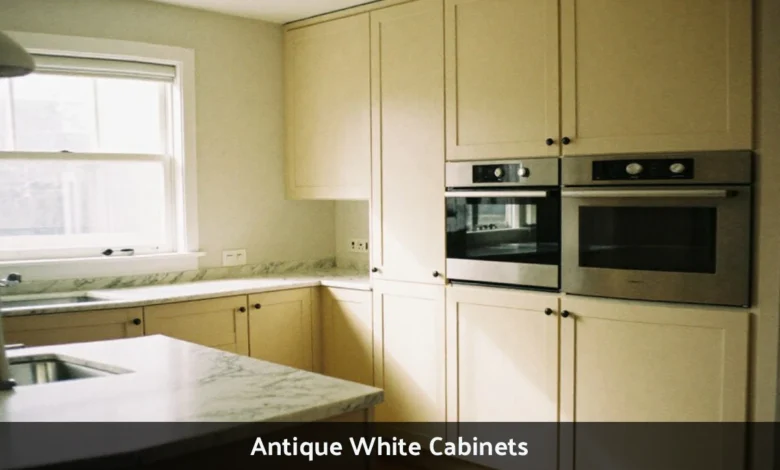
Antique white cabinets offer a warm, creamy alternative to stark white with subtle undertones that brighten kitchens while maintaining timeless appeal. They pair with most color schemes, increase home value by up to 3.7%, and work across traditional to modern design styles.
You walk into a kitchen showroom and see rows of white cabinets. But something feels different about the ones in the corner. They’re softer, warmer, almost inviting. That’s the magic of antique white cabinets.
These aren’t your standard bright white units. They bring warmth without sacrificing the brightness that makes kitchens feel open. Let’s explore what makes them a smart choice for your home.
What Makes Antique White Different From White
The difference comes down to undertones. Pure white reflects light harshly and can feel cold or clinical. Antique white adds cream or beige tones that soften the look.
This subtle shift creates a warmer atmosphere. Your kitchen feels cozy instead of sterile. The color works like a neutral base but with more personality.
Most antique white finishes include a glazed or slightly distressed look. This adds depth and character that flat white can’t match. The finish gives cabinets an aged, furniture-like quality.
The warm undertones complement natural wood floors and stone countertops better than stark white. You get brightness with balance.
Design Styles That Work With Antique White Cabinets
Traditional and Transitional Kitchens
Traditional designs love antique white. The soft tone pairs beautifully with crown molding, glass-front doors, and decorative hardware. Brass or bronze fixtures enhance the vintage feel.
For transitional spaces, antique white bridges, old and new. Combine these cabinets with modern countertops and sleek appliances. The result balances classic warmth with contemporary function.
Modern and Contemporary Spaces
Modern kitchens can use antique white to avoid feeling cold. The warm tones soften minimalist designs without adding visual clutter.
Pair antique white wall cabinets with a contrasting island in navy blue, charcoal gray, or even black. This creates depth while keeping the space bright.
Contemporary spaces benefit from the clean lines of shaker-style antique white cabinets. Simple hardware in brushed nickel or matte black completes the look.
Farmhouse and Country Kitchens
Farmhouse style and antique white cabinets were made for each other. Add open shelving, vintage dishware, and butcher block countertops for authentic country charm.
Wood beams, apron-front sinks, and rustic lighting fixtures complete the farmhouse aesthetic. The creamy cabinet color ties everything together without competing with other elements.
Best Countertop Pairings for Antique White
Granite remains popular with antique white cabinets. Colors with gray, brown, or black veining create beautiful contrast. Carrara marble offers timeless elegance with its soft gray patterns.
Quartz countertops provide durability and low maintenance. Choose options that mimic natural stone for a high-end look. White quartz with subtle veining keeps the space light and cohesive.
Butcher block countertops bring warmth and texture. The natural wood tones complement the cream undertones in antique white beautifully. This combination works especially well in country or transitional kitchens.
Dark countertops in black or espresso create a dramatic contrast. The light cabinets pop against darker surfaces without feeling too harsh.
Hardware Choices That Enhance Antique White
Classic finishes work best. Brushed nickel, aged brass, and oil-rubbed bronze all complement the warm tones without overwhelming them.
Simple designs last longer than trendy styles. Cup pulls, round knobs, and basic bar handles maintain a timeless look. Avoid overly ornate hardware that might date quickly.
Match your hardware finish to other fixtures. If you choose brushed nickel knobs, use the same finish for faucets and lighting. This creates visual harmony throughout your kitchen.
For traditional styles, go slightly more decorative. Antique brass or bronze with subtle detailing adds character. Modern kitchens should stick with minimal, streamlined hardware.
Lighting Considerations for Antique White Kitchens
Layer three types of lighting for the best results. Ambient lighting provides overall illumination through recessed lights or chandeliers. Task lighting under cabinets illuminates work surfaces. Accent lighting from pendants adds style.
Under-cabinet lighting is essential. It highlights countertops and prevents shadows while you cook. LED strips offer energy efficiency and long life.
Choose fixtures with classic designs. Glass pendants, wrought iron chandeliers, and simple sconces match the cabinet style. Finishes like antique bronze or brushed nickel echo your hardware choices.
Natural light works beautifully with antique white. Large windows or skylights make the warm tones glow. If natural light is limited, use warmer LED bulbs to enhance the cozy feel.
Construction and Materials to Look For
Quality construction matters more than finish. Look for solid wood door frames, preferably maple or birch. These woods take paint finishes well and resist warping.
Cabinet boxes should use plywood, not particleboard. Plywood handles moisture better and holds fasteners more securely. Check for at least a half-inch thickness.
Dovetail drawer construction indicates quality. These joints hold up better than stapled corners. Full-extension, soft-close drawer slides add daily convenience.
Door hinges should be six-way adjustable and soft-closing. European-style concealed hinges look cleaner than exposed ones. This hardware affects how cabinets function for years.
Cost and Value Considerations
Ready-to-assemble (RTA) cabinets offer the best value. Prices range from $150 to $400 per cabinet, depending on size and features. You save on labor by assembling them yourself.
Semi-custom options run $200 to $600 per cabinet. These offer more size and style choices than stock cabinets. Custom cabinets start around $500 and can exceed $1,200 per unit.
Installation costs add $50 to $150 per cabinet if you hire professionals. RTA cabinets take about 20 minutes each to assemble, making DIY feasible for handy homeowners.
Home value impact matters. Properties with white kitchens sell 13 days faster and command 3.7% higher prices than similar homes with colored cabinets. This makes antique white a smart investment.
Shaker vs. Raised Panel Styles
Shaker style dominates antique white cabinets. The simple, recessed panel design works with any kitchen aesthetic. Clean lines suit both modern and traditional spaces.
Raised panel doors offer more ornate detailing. These work best in traditional or transitional kitchens. The extra dimension adds visual interest but can feel dated in very modern spaces.
Flat-panel cabinets provide the most contemporary look. Combined with minimal hardware, they create a sleek appearance. The antique white color keeps them from feeling too cold.
Beadboard adds cottage charm. This style works beautifully in farmhouse or coastal kitchens. The vertical lines add texture without overwhelming the space.
Maintenance and Cleaning Tips
Clean regularly with mild soap and warm water. Avoid harsh chemicals that can damage the finish. A soft cloth prevents scratches.
Wipe spills immediately to prevent staining. The light color shows dirt more than darker cabinets. Quick cleanup keeps them looking fresh.
Touch up minor scratches with furniture markers in matching colors. Deep scratches may need professional refinishing. Regular cleaning prevents buildup that makes touch-ups harder.
Protect cabinets near the stove from grease. Use a range hood and clean it frequently. Grease shows more on light cabinets but comes off easily with the right cleaner.
Backsplash Options That Complement
Subway tile in white or soft gray creates a clean, classic look. The simple pattern won’t compete with cabinet details. Add colored grout for subtle interest.
Natural stone backsplashes in earth tones work beautifully. Travertine, limestone, or slate add texture and warmth. These materials bridge the gap between cabinets and countertops.
Glass tile reflects light and adds shimmer. Choose soft colors like sage green, pale blue, or pearlescent white. Bold patterns can work if kept to small areas.
Dark backsplashes create drama. Charcoal or slate-colored tiles make antique white cabinets pop. This combination suits contemporary kitchens with modern fixtures.
Floor Colors That Work Best
Natural wood flooring complements antique white beautifully. Medium to dark wood tones create warmth and contrast. Oak, walnut, or hickory all work well.
Gray floors offer modern sophistication. Light to medium gray creates a soft, cohesive look. Darker grays add contrast without being too stark.
Tile or stone in neutral tones provides durability. Beige, tan, or soft gray options maintain the warm, inviting feel. Avoid pure white floors that can feel too sterile.
Dark floors ground the space. Espresso or black stained wood creates a bold contrast. This works especially well in kitchens with good natural light.
Coordinating Islands and Accent Colors
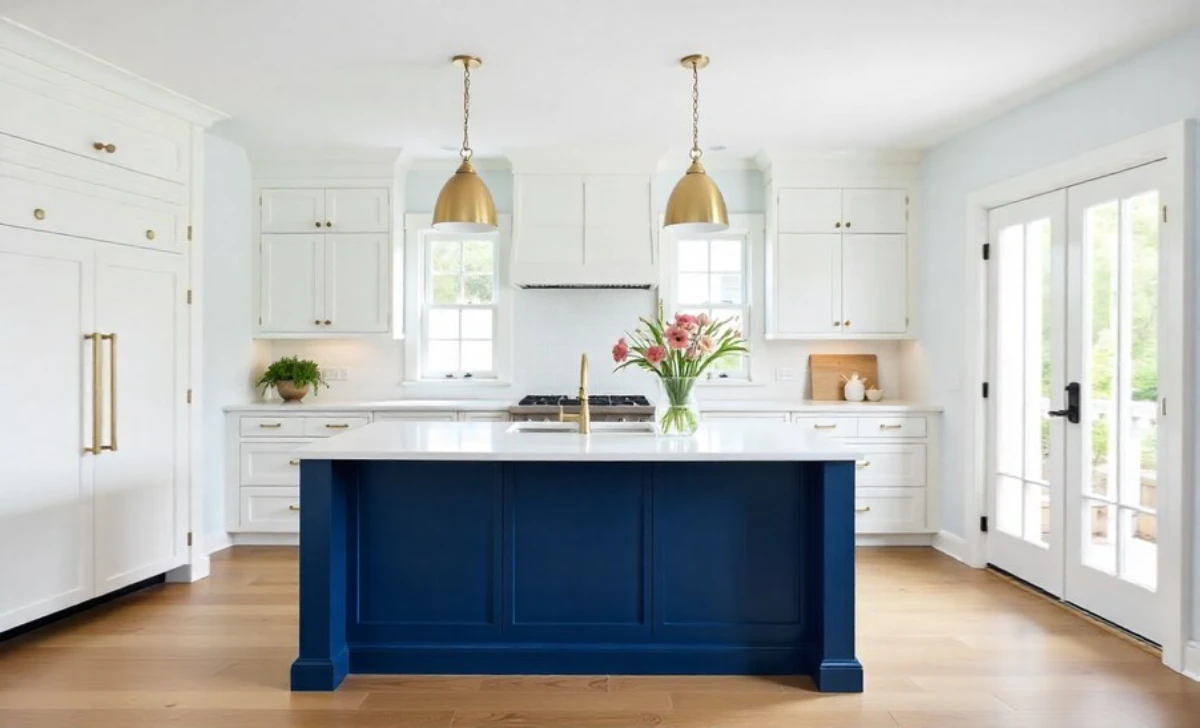
A contrasting island creates a focal point. Navy blue, sage green, or charcoal gray islands pair beautifully with antique white perimeter cabinets. This two-tone approach adds visual interest.
Wood-tone islands bring natural warmth. Walnut or oak stands out against cream cabinets. This combination works especially well in transitional kitchens.
Keep the island in antique white for a cohesive look. This works when you want simplicity. Add interest through different countertop materials or unique lighting.
Red or bold colors work as accent islands. Use these sparingly in otherwise neutral kitchens. The antique white cabinets balance the bright pop of color.
RTA vs. Pre-Assembled Options
RTA (ready-to-assemble) cabinets cost 30-50% less than pre-assembled. You handle assembly and installation yourself. Most people complete one cabinet in 20-30 minutes.
Pre-assembled cabinets arrive ready to install. This saves time but costs more. Professional installation still runs $50-150 per cabinet either way.
Quality doesn’t necessarily differ between RTA and assembled. Check construction details regardless of format. Good RTA cabinets use the same materials as assembled versions.
Shipping costs vary. RTA cabinets pack smaller and ship cheaper. Assembled cabinets require freight shipping with higher costs and potential damage risks.
Common Mistakes to Avoid
Don’t skip samples. Cabinet colors vary by brand and lighting. Order sample doors to see the exact tone in your space before buying.
Avoid mismatched hardware finishes. Pick one finish and stick with it throughout. Mixing metals works only when done intentionally with design help.
Don’t forget about lighting. Antique white looks different under warm versus cool light. Test your lighting plan before finalizing cabinet orders.
Skipping proper measurements causes expensive mistakes. Measure twice and have someone verify your numbers. Wrong sizes mean cabinets that don’t fit.
Where to Buy Quality Antique White Cabinets
Online retailers offer competitive prices and wide selections. Sites like CabinetSelect, Kitchen Cabinet Depot, and Prime Cabinetry provide RTA options with free design services. Many offer free shipping on orders over $3,000.
Home improvement stores carry ready-made options. The Home Depot and Lowe’s stock Hampton Bay and similar brands. You can see samples in person, but with less variety than online.
Local cabinet shops provide custom and semi-custom options. Prices run high, but you get personalized service. Some offer installation packages.
Wholesale distributors serve contractors but often sell to homeowners. Check local options for bulk discounts. You’ll need clear measurements and plans before ordering.
Final Thoughts
Antique white cabinets deliver timeless style with practical benefits. They brighten kitchens, increase home value, and work with virtually any design aesthetic.
The warm undertones create inviting spaces without sacrificing the openness that white provides. Whether you’re planning a full remodel or updating existing cabinets, antique white offers versatility that other colors can’t match.
Consider your lighting, countertops, and hardware carefully. These elements work together to create your finished look. Take time to order samples and plan thoroughly.
Your kitchen investment should last 15-20 years. Antique white cabinets give you a foundation that won’t feel dated as trends shift. That’s a value worth considering.
Frequently Asked Questions
Are antique white cabinets going out of style?
No. While trends shift, antique white remains popular because of its versatility. Properties with white kitchens sell faster and for more money than those with colored cabinets.
What’s the difference between antique white and off-white?
Antique white has cream or beige undertones and often includes glazing for an aged look. Off-white is a broader term that can include various undertones without the vintage character.
Do antique white cabinets show dirt easily?
Light cabinets show more dirt than dark ones. Quick daily wipes and regular cleaning keep them looking fresh. The trade-off is a brighter, more open kitchen.
Can I paint existing cabinets antique white?
Yes. Clean and sand your current cabinets, apply primer, then use antique white paint with optional glaze. Professional painting costs $3,000-8,000, depending on the kitchen size.
What countertop colors work worst with antique white?
Very yellow or orange-toned materials can clash with the warm undertones. Pure white countertops may make cabinets look dingy by comparison. Test samples before committing.