Anderson Cooper Brazilian House: Inside Casa Anderson
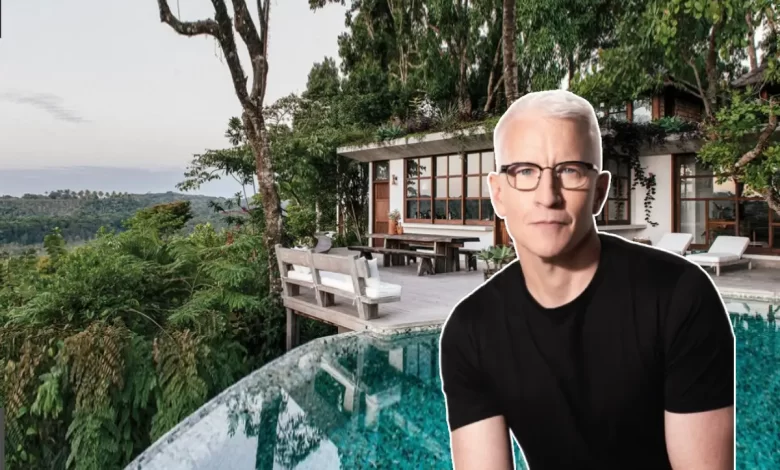
CNN anchor Anderson Cooper owns Casa Anderson, a four-building compound in Trancoso, Brazil. Fashion designer-turned-hotelier Wilbert Das built the property using salvaged materials from an abandoned Bahian farmhouse, creating a retreat that honors local architectural traditions.
Cooper discovered Trancoso in 2013 and commissioned the property shortly after. The estate includes colonial-style structures, a pau a pique clay casa, and a master suite raised on stilts like traditional fishermen’s huts.
Why Anderson Cooper Chose Trancoso
Anderson Cooper visited Trancoso in 2013 with his partner Benjamin Maisani and friend Andy Cohen. The journalist describes watching the Quadrado town square from his accommodation’s porch for hours, observing kids playing soccer, horsemen returning from fields, and lights coming on in fishermen’s cottages.
“Within a day, I was fantasizing about buying a house there,” Cooper told Architectural Digest. “Ben thought I’d lost my mind, and Andy, who is encouraging about almost everything, thought I was nuts, too”.
What makes Trancoso different from typical vacation destinations? Cooper describes working in 70 countries and traveling to even more, yet finding Trancoso unlike anywhere else. The town maintains its character as a real community rather than transforming into a sanitized resort area. Neighbors know each other, families run restaurants nearby, and bossa nova music drifts through the evening air.
The remote location works in Cooper’s favor. The property sits 14 hours from his Manhattan base, requiring multiple flights and a drive. This distance creates separation from his demanding journalism career, which has included regular war zone reporting. The son of artist and heiress Gloria Vanderbilt needed a hideaway where his familiar face could find genuine privacy.
Cooper keeps a photo of the Quadrado on his desk at CNN in New York, serving as a reminder of his Brazilian retreat. The image makes his stressful work more bearable, even when he can’t visit as often as he’d like.
Casa Anderson’s Four-Building Design
The property spans four buildings plus a free-form swimming pool, surrounded by land growing mango, cacao, jackfruit, banana, and açaí trees. Each structure tells a different story about Brazilian architectural traditions.
The Main Colonial Structure
The first cottage follows colonial style and contains conjoined living and dining rooms, a kitchen, and a veranda for outdoor meals. A vintage Bahian cocktail table sits alongside pequi-wood stools and pieces from Das’s Uxua Casa home collection, including indigo-dyed throw pillows, woven-reed rugs, and a sectional sofa.
The dining area displays Brazilian devotional oratories against a turquoise wall. An antique confessional chair joins the arrangement, while ceiling lights and dining chairs come from Uxua Casa. Waxed concrete floors provide a smooth contrast to the rustic elements.
The kitchen pairs smooth concrete countertops with reclaimed-wood cabinet fronts. A framed Ghanaian asafo flag and vintage pendant lamp complete the space. The design balances refinement with authenticity—nothing feels precious or untouchable.
Two Guest Casas and the Master Suite
The property stretches back toward the jungle through three suites, each inspired by different local building styles. The first guest casa replicates traditional colonial-type houses found in Trancoso and nearby towns.
The second casa uses clay and eucalyptus in a technique called pau a pique, typical of favela housing. This traditional Brazilian method involves creating a frame from eucalyptus poles, then filling gaps with woven sticks and clay. The technique produces walls that breathe in tropical heat while providing a solid structure.
The master suite sits raised on wooden stilts like a beachside fisherman’s hut. Das built it mostly from warm, weathered timber salvaged from an old fazenda before demolition, including roxinho—a now-protected Brazilian hardwood. This two-story tree house structure, forged from salvaged barn wood, creates an elevated retreat.
Vintage trunks at the foot of the bed serve a dual purpose—the top one conceals a television. The detail captures Casa Anderson’s approach: comfort and modern convenience wrapped in authentic materials.
Wilbert Das’s Design Philosophy
Cooper hired fashion designer turned hotelier Wilbert Das to build the property. Das founded Uxua Casa Hotel in Trancoso, establishing his reputation for creating spaces that honor local culture rather than imposing outside aesthetics.
Das designed Casa Anderson to be constructed largely from materials salvaged from an abandoned Bahian farmhouse, creating something attuned to local culture. His sought-after style relies almost completely on natural materials, woodwork, and recycled pieces.
Das decided Casa Anderson’s design would tell a story about the area. Each building technique represents a different chapter in Brazilian architectural history—from colonial structures to favela building methods to fishermen’s stilted huts. The approach shows reverence for Trancoso’s past without creating a museum.
The decor throughout the property fuses vintage finds with pieces crafted by local artisans, illustrating Cooper’s preference for authentic furnishings. A local Brazilian fisherman crafted the beds. The outdoor shower was made from a tree trunk.
Das’s philosophy rejects the “drop a luxury box into paradise” approach many vacation homes take. Instead, Casa Anderson emerges from its location, built with materials that once stood nearby, shaped by hands that understand local traditions.
Materials That Tell a Story
Much of the master suite uses roxinho, a now-protected Brazilian hardwood with warm, weathered character. The wood came from the demolished fazenda, giving it decades of patina before arriving at Casa Anderson.
Das lined the pool with tatajuba planks. This Brazilian hardwood resists water damage naturally, eliminating the need for chemical treatments. The choice connects the modern pool to traditional boat-building techniques.
Concrete appears throughout—in floors, countertops, and shelving. The material provides thermal mass that helps regulate temperature in Bahia’s heat. Waxed concrete floors gain character over time rather than showing wear.
Brazilian devotional oratories and Mexican votive paintings add spiritual elements. Antique window frames, writing tables, chairs, and lamps contribute history. Each piece entered the house with its own past, creating layers of time rather than a single designer moment.
Ceiling lights and dining chairs come from Uxua Casa’s collection. Indigo pillows add comfort to the veranda. The mix refuses to match—instead, it breathes.
The Grounds and Outdoor Spaces
A free-form swimming pool sits among the buildings. Das lined it with tatajuba planks, giving the water feature an organic shape and texture. The pool sits against the rainforest backdrop, making swimmers feel immersed in the landscape rather than separated from it.
The land grows mango, cacao, jackfruit, banana, and açaí trees. These aren’t decorative plantings—they produce fruit that ripens throughout the year. The trees also attract wildlife, creating constant movement and sound.
Monkeys visit the property. Birds call from the canopy. The design preserves natural landscape rather than clearing it for manicured lawns.
The view from the master bedroom creates a scene you could watch indefinitely without venturing out. Rain pings into the jade pool and slides down waxy leaves before the sun reappears, thickening moisture in the air. Jagged reflections cut shapes onto the water’s surface as birds emerge again.
Cooper rarely makes it to the beach since the property’s completion, favoring the tranquil seclusion of his Brazilian home. The compound creates a complete world within its boundaries.
Casa Anderson in 2025
The property emerged from Architectural Digest’s August 2016 feature, introducing the world to Cooper’s Brazilian sanctuary. Nearly a decade later, Casa Anderson represents a specific moment in vacation home design—when salvaged materials and local craftsmanship began overtaking imported luxury as status markers.
Cooper and Maisani’s relationship has evolved since the property’s construction, though both maintain connections to Trancoso. The house stands as more than a romantic gesture—it’s Cooper’s personal refuge from covering conflicts and crises.
“Just knowing that my house exists makes me happy,” Cooper explained in the original feature. The Quadrado photo on his CNN desk serves as a meditative, calming presence. The property functions even when Cooper can’t visit—proof that a well-designed space creates psychological benefit beyond physical occupation.
Trancoso itself has changed since 2013. Beyoncé has visited more than once; her sister Solange honeymooned there, Florence Welch stopped by for downtime, and top models and international DJs regularly come for the New Year and carnival. The town walks a delicate line between maintaining authentic community character and accommodating high-profile visitors seeking that authenticity.
Casa Anderson’s design choices—favoring salvaged materials over new construction, hiring local artisans over importing designers, respecting traditional building techniques—set a template that other properties followed. The house proved that luxury could mean honoring a place rather than imposing upon it.
What Casa Anderson Teaches About Tropical Design
Casa Anderson demonstrates several principles applicable beyond Brazilian beachfront estates:
Salvaged materials create instant authenticity. New construction often looks exactly that—new. Materials with previous lives bring depth and character that no amount of aging techniques can replicate. The compound’s construction from salvaged farmhouse materials created an immediate sense of belonging to its location.
Respecting local architectural traditions connects design to place. Each of the three casas represents a different Brazilian building tradition—colonial, pau a pique, and stilted fisherman’s hut. This approach educates while creating varied spaces, each with a distinct character.
Indoor-outdoor flow matters in tropical climates. The veranda for outdoor meals extends the main cottage’s living space. The outdoor shower carved from a tree trunk turns a daily routine into an immersive experience. Walls become suggestions rather than barriers.
Mixing vintage finds with artisan pieces creates livable luxury. The fusion of vintage finds and local artisan pieces produces spaces that feel collected over time rather than decorated in a weekend. Nothing matches perfectly, which makes everything work together.
Sustainability doesn’t require sacrificing comfort. Das’s design tells the area’s story while providing modern retreat amenities. The flat-screen TV hidden in a rustic trunk symbolizes this balance—contemporary convenience wrapped in authentic materials.
Anderson Cooper’s Brazilian House works because it refuses to compete with its location. Instead, Casa Anderson amplifies Trancoso’s existing character—weathered wood, tropical abundance, community connection, and architectural tradition. The property demonstrates that the best vacation homes don’t transport you elsewhere. They help you arrive more fully where you already are.