The Silent AC Killer: 10 Reasons Your Unit Quit Reason #7 Will Save You $300
There’s no worse feeling on a sweltering day than hearing your air conditioner not working. You might hear it struggling, see the fan spinning without blowing cool air, or be met with nothing but an ominous silence. Before you panic about a four-figure AC repair bill, know this: many common failures have surprisingly simple causes.
This AC troubleshooting guide will walk you through the 10 most frequent reasons your system fails, arming you with the knowledge to spot problems early. We’ll cover everything from five-minute fixes to signs you need a pro. And yes, Reason #7 could save you $300 by helping you avoid the most common and sneaky service call of them all.
Why Your AC Unit is Not Cooling
When faced with AC problems, a systematic approach is key. Start with the simplest, most accessible components before worrying about complex mechanical failures. This list is ordered to help you diagnose like a pro.
1. The Thermostat: Your Command Center is Offline
Often, the issue isn’t with the AC unit not turning on, but with its brain. Check if the thermostat display is blank, which could indicate dead batteries. Ensure it’s set to “COOL” and the temperature is set several degrees below the current room reading. A simple reset by switching it off for 30 seconds can sometimes resolve digital glitches.
2. A Tripped Circuit Breaker or Blown Fuse
Your outdoor condenser and indoor air handler operate on separate circuits. A power surge or overload can trip a breaker. Check your home’s main electrical panel for breakers in the “OFF” position. Flip them fully off and then back on. If the breaker trips again immediately, do not reset it a second time; this indicates a serious electrical fault requiring an HVAC technician.
3. A Clogged or Dirty Air Filter
This is the number one cause of reduced airflow and poor cooling. A filter choked with dust forces your system to work harder, which can lead to frozen coils and a complete shutdown. Check your filter monthly and replace 1-inch filters every 30-90 days. This is the easiest and most effective form of preventative AC maintenance.
4. The Condensate Drain Line is Clogged
Your AC removes humidity, and that water drains away through a pipe (often PVC). Over time, algae and mold can clog it. A clogged drain triggers a safety float switch that shuts the entire system off to prevent water damage. You might see water around the indoor unit.
5. Refrigerant Leaks: A Job for Professionals
If your AC is not blowing cold air, you might be low on refrigerant. Refrigerant doesn’t get “used up”; a low level means there’s a leak. Only a licensed professional can safely locate the leak, repair it, and recharge the system to the manufacturer’s exact specification. This is not a DIY AC fix.
6. Frozen Evaporator Coils
If you see ice on the copper pipes or the indoor unit, your system is frozen. Turn the AC off and switch just the fan on to help melt the ice. Common causes are a dirty air filter, low refrigerant, or a failing blower fan. Once thawed, address the root cause or call for service.
🔍 The Critical Middle Ground: Electrical and Mechanical Failures

These next issues are more serious but are still common culprits behind a failed system. They often require a professional’s touch, but are good to understand.
7. The Dual Capacitor Failure: Your $300 Savings
This is the silent AC killer and the star of our promised savings. The capacitor is a small, cylindrical component in your outdoor unit that gives the compressor and fan motors the jolt of electricity they need to start. Over years of heat cycles, they weaken and fail.
- The Symptom: You hear a faint hum from the outdoor unit, but the fan isn’t spinning. The compressor may also try to start, but can’t.
- The Cost: An HVAC contractor will typically charge $150-$300 for this part and labor.
- Your Savings: For a handy homeowner, replacing a capacitor is a DIY AC fix with a high reward. The part itself costs only $10-$40. If you can safely disconnect power, take a clear photo of the wiring, purchase an identical replacement, and reconnect the wires exactly as they were, you can complete this repair in 20 minutes. WARNING: Capacitors hold a dangerous electrical charge. If you are not 100% comfortable, this is exactly when to call a professional.
8. Dirty or Blocked Outdoor Condenser Coil
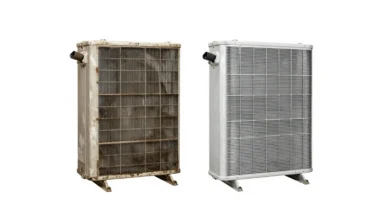
The outdoor unit needs to breathe. If it’s surrounded by tall grass, leaves, or is caked in dirt, it can’t expel heat. This causes pressure to skyrocket and the system to shut off. Keep at least two feet of clear space around the unit and gently hose off the coil at the start of each season.
9. A Failing Contactor
This is an electromechanical switch in the condenser that engages the compressor and fan. Over time, the contacts can pit and burn, leading to inconsistent operation or a complete failure to start. A technician can test and replace this relay switch.
10. An Aging or Failed Compressor
The compressor is the heart of your AC system. If it fails, the entire outdoor unit often needs replacement. Signs of a failing compressor include loud grinding noises, the unit tripping the breaker, or simply failing to start despite having power and a good capacitor.
Your AC Troubleshooting Action Plan
| Step | Action Item | What to Look For & Notes |
|---|---|---|
| 1 | Check Thermostat & Power | Ensure it’s set to COOL, has batteries, and check the circuit breaker. |
| 2 | Inspect the Air Filter | Replace if dirty. This is the most common airflow restrictor. |
| 3 | Listen & Observe | Is the outdoor fan spinning? Is there ice on the lines? Is water leaking? |
| 4 | Consider Simple DIY Fixes | Clearing drain line clogs with a vacuum or replacing a capacitor (if skilled). |
| 5 | Know When to Call a Pro | For electrical issues, refrigerant problems, or if you’re unsure. |
Knowing When It’s Time to Call for Professional AC Repair
While saving money on AC repair is a great goal, your safety and the integrity of your expensive system are paramount. You should call a professional for:
- Any issue involving electrical components if you are not trained.
- All refrigerant-related problems (legally require a license.)
- If you’ve attempted the simple fixes and the problem persists.
- Any strange noises like grinding, screeching, or loud banging.
A trusted HVAC technician from a reputable HVAC company near you can provide a complete diagnosis, whether you have a common Goodman unit, a high-end Trane or Carrier system, or any other brand.
Regular annual AC maintenance is the ultimate strategy to avoid these “silent killers.” A professional tune-up each spring can catch a weakening capacitor, clean dirty coils, and ensure your system runs efficiently all summer long, saving you from discomfort and costly emergency repairs.
Your next step: If this guide helped you diagnose a clogged drain or a dirty filter, you’re already ahead. If the problem points to something more complex, use this knowledge to have an informed conversation with your HVAC professional. You’ll sound like an expert and ensure you get the right service for your home.