Is Your Air Conditioner Making You Sick? A Portland Homeowner’s Guide to Indoor Air Quality
If you live in Portland and find yourself battling unexplained headaches, nagging allergies, or a constant stuffy nose, your quest for comfort might be to blame. While your air conditioning system is essential for escaping the summer heat, it could be silently compromising the air you breathe indoors. For Portland families, where lush greenery and seasonal rains create unique air quality challenges, understanding this link is crucial for your health.
This guide will help you recognize the warning signs, understand the common culprits, and provide actionable solutions to ensure your home’s air is as refreshing as a hike in Forest Park.
Recognizing the Symptoms: Is Your Home’s Air the Problem?
Often, the symptoms of poor indoor air quality are mistaken for seasonal allergies or a common cold. However, if these issues persist primarily while you’re at home, your HVAC system may be the source. Key health indicators include:
- Respiratory Irritation: Persistent coughing, sneezing, sinus congestion, sore throat, or a tightening in the chest.
- Allergy-like Symptoms: Watery, itchy eyes, runny nose, and skin rashes that flare up indoors.
- General Malaise: Frequent headaches, dizziness, fatigue, and difficulty concentrating.
- Worsening of Chronic Conditions: Increased frequency of asthma attacks or heightened severity of allergy symptoms.
Children are especially vulnerable to these effects because their respiratory systems are still developing and they breathe more air relative to their body weight. The EPA notes that exposure can aggravate asthma and impact lung function in kids.
The Connection Between Symptoms and AC Problems
| Symptom | Possible AC-Related Cause |
|---|---|
| Headaches, Dizziness | Circulation of Volatile Organic Compounds (VOCs) from household products or carbon monoxide (in rare cases of system malfunction). |
| Worsened Allergies/Asthma | Recirculation of pollen, dust mites, pet dander, and mold spores due to a dirty filter or ductwork. |
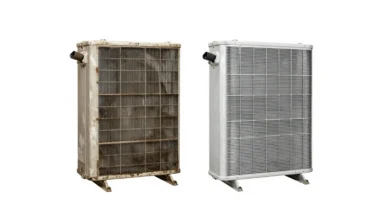
| Musty Odors, Sinus Issues | Mold or mildew growth in the drip pan, ductwork, or on evaporator coils, often due to excess moisture. |
| Dry Skin, Irritated Throat | Overly dry air from an AC system that cools without proper humidity control. |
| Persistent Dust on Surfaces | Leaky ductwork pulling in debris from attics or crawl spaces, or an ineffective air filter. |
Why Portland’s Climate Makes Your AC a Double-Edged Sword
Our beautiful Pacific Northwest environment creates specific challenges for your HVAC system:
- High Humidity and Mold: Portland’s damp climate is a perfect incubator for mold. If your AC system isn’t effectively removing moisture or if a component like the condensate drain is clogged, it can foster mold growth inside the unit, which then gets blown throughout your home.
- Pollen and Outdoor Allergens: Our lush landscape produces significant pollen. During high-pollen seasons, these allergens enter your home and can get trapped in your system. A low-quality or clogged filter will fail to capture them, allowing constant recirculation.
- Wildfire Smoke Seasons: Increasingly common wildfires pose a severe air quality threat. Standard AC filters cannot capture the fine PM2.5 particles in smoke. While running your AC with a clean, high-quality filter can help circulate and filter indoor air, systems that bring in fresh outdoor air can pull smoke inside.
- Winter Sealing and Pollutants: In colder months, we seal our homes tight, trapping pollutants indoors. Your heating system then circulates these concentrated contaminants, which can include dust, pet dander, and VOCs from cleaning products or off-gassing furniture.
Your Action Plan: From Immediate Fixes to Long-Term Solutions
Improving your indoor air doesn’t have to be overwhelming. A layered approach, starting with simple maintenance, can make a profound difference.
1. Master the Basics of AC Maintenance
This is the first and most critical line of defense.
- Change Filters Religiously: This cannot be overstated. For standard 1-inch filters, change them every 1-3 months. During peak cooling season or wildfire smoke events, lean toward monthly changes. Consider upgrading to a pleated filter with a MERV rating of 8-13 for better particle capture, but check your HVAC manual first, as some systems require modification for higher MERV filters.
- Schedule Annual Professional Service: A yearly tune-up ensures components like the evaporator coil and condensate drain are clean and functioning, preventing moisture buildup and mold.
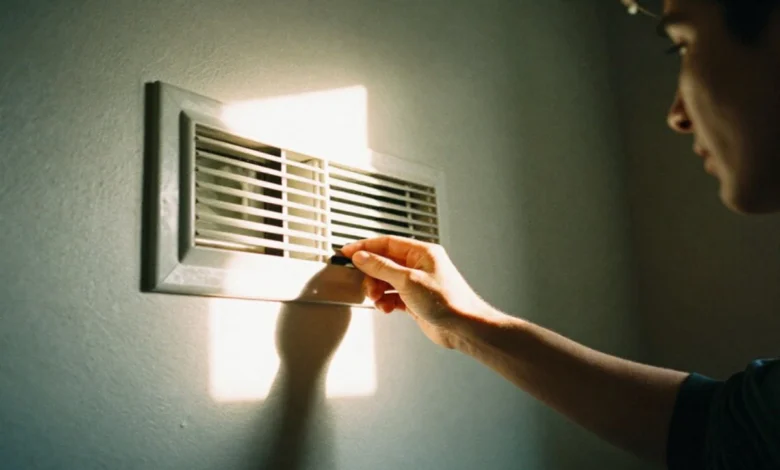
- Clean Around Vents and Units: Keep indoor supply vents unobstructed and clear debris (leaves, dirt) from your outdoor condenser unit to maintain proper airflow.
2. Enhance Filtration and Purification
For households with allergies, asthma, or concerns about wildfires, basic filters may not be enough.
- Advanced Filtration: HEPA filters can capture 99.97% of particles, including smoke and fine allergens, but they require a compatible HVAC system or a standalone air purifier.
- Air Purifiers: A portable HEPA air purifier with an activated carbon filter is highly effective for single rooms, as it captures both particles and odors (like smoke). Look for a unit with a CADR (Clean Air Delivery Rate) suitable for your room size.
- In-Duct Solutions: For whole-home protection, professionals can install UV-C lights that kill mold and bacteria on coils, or advanced systems like air scrubbers that actively remove pollutants.
3. Control Humidity and Ventilation
Balancing moisture is key in Portland.
- Target 30-50% Humidity: Use a hygrometer to monitor levels. In summer, your AC naturally dehumidifies. In our damp winters, a standalone dehumidifier for basements or problem areas can prevent mold.
- Ventilate Wisely: Use kitchen and bathroom exhaust fans to remove moisture and pollutants at the source. When outdoor air quality is good (check AirNow.gov), briefly opening windows can dilute indoor pollutants.
- Consider an ERV/HRV: For a tightly sealed home, an Energy Recovery Ventilator (ERV) or Heat Recovery Ventilator (HRV) provides fresh, filtered outdoor air without wasting energy, solving the stale air problem.
4. Adopt Healthy Household Habits
Your daily actions significantly impact air quality.
- Vacuum Smartly: Use a vacuum equipped with a HEPA filter to avoid kicking dust back into the air.
- Minize VOCs: Choose low-VOC or VOC-free paints, cleaning products, and building materials.
- Remove Shoes: Prevent tracking pollen, dirt, and chemicals indoors.
- During Wildfire Smoke Events: Seal windows, set your AC fan to “on” to filter indoor air continuously, and avoid activities like burning candles or vacuuming that add particles.
5. Know When to Call a Professional
Some situations require expert intervention:
- Duct Cleaning: If you notice visible mold in ducts, excessive dust blowing from vents, or vermit infestation, professional duct cleaning may be warranted.
- Comprehensive IAQ Assessment: If health problems persist despite your efforts, a professional indoor air quality assessment can identify hidden mold, measure VOC levels, test for radon, and evaluate your HVAC system’s performance, providing a roadmap for targeted solutions.
- System Upgrades: Consulting with a local HVAC professional about whole-home humidifiers, dehumidifiers, or advanced purification systems ensures they are correctly sized and integrated with your existing system.
Breathing clean, healthy air in your Portland home is an achievable goal. By moving from seeing your air conditioner as just a cooling device to understanding its central role in air quality, you can take proactive control. Start with a fresh filter today, be mindful of the symptoms, and don’t hesitate to leverage local professional expertise. Your health, and the health of your family, is worth the investment.