Best Inexpensive Mattress: Top Picks and Buying Tips for 2026
The best inexpensive mattress in 2026 doesn’t mean poor sleep. Solid options from brands like Zinus, Tuft & Needle, and Nectar start between $200 and $500 for a queen-size. Look for CertiPUR-US certified foam, a 10-year warranty, and a trial period of at least 90 nights before you commit to any budget mattress.
You don’t need to spend $1,000 to sleep well. A mattress under $500 can offer real support, good pressure relief, and enough durability to last several years. Focus on your sleep position, body weight, and preferred firmness level, and you can find something that fits both your body and your budget.
Why Budget Mattresses Are Better Now
Ten years ago, a cheap mattress usually meant poor support and quick sagging. That’s changed. Direct-to-consumer brands cut out the retail markup and sell straight to buyers online. The result: quality foam and hybrid mattresses now sell for a fraction of what you’d pay in a showroom.
Brands like Zinus and Allswell manufacture at scale and keep costs low by skipping physical stores. Independent sleep testing labs have also put many of these mattresses through pressure mapping and durability tests, and several budget picks score well. You can now get a solid night’s sleep for $300 to $500 on a queen.
According to a 2024 consumer report from the Sleep Foundation, nearly 60% of mattress shoppers name price as their top concern, yet satisfaction rates among budget buyers have risen steadily over three years. Better materials and longer trial windows have a lot to do with that.
Best Inexpensive Mattress Types to Know
Not all cheap mattresses are built the same. The material type affects how it feels, how long it lasts, and who it suits best.
All-foam mattresses are the most affordable option. They use layers of memory foam or polyfoam to cushion and support. They work well for side sleepers and lighter-weight individuals. Most budget foam mattresses from brands like Zinus start around $200 to $300 for a queen.
Hybrid mattresses combine foam layers with a steel coil system. They’re slightly more expensive, usually $350 to $600 for a queen, but they offer better airflow, more bounce, and stronger edge support. Brands like Allswell and Tuft & Needle offer hybrids within budget range.
Innerspring mattresses are the oldest type. They’re firm, bouncy, and usually the cheapest to produce. They suit stomach and back sleepers who want a traditional feel with minimal sinkage.
What to Check Before You Buy
Price alone shouldn’t drive your decision. A few key specs separate a mattress that lasts from one that sags within a year.
Look for these before purchasing:
- CertiPUR-US certification: confirms the foam meets safety and chemical emissions standards
- Trial period: at least 90 nights, ideally 100 or more
- Warranty: 10 years minimum, with coverage for sagging over 1 inch
- Foam density: memory foam should be at least 3 lb per cubic foot for real durability
- Coil count for hybrids: at least 800 individually wrapped coils in a queen
Avoid mattresses that don’t list their materials clearly or skip a sleep trial entirely. Any brand confident in its product will let you test it at home and return it for free.
Top Budget Mattress Picks in 2026
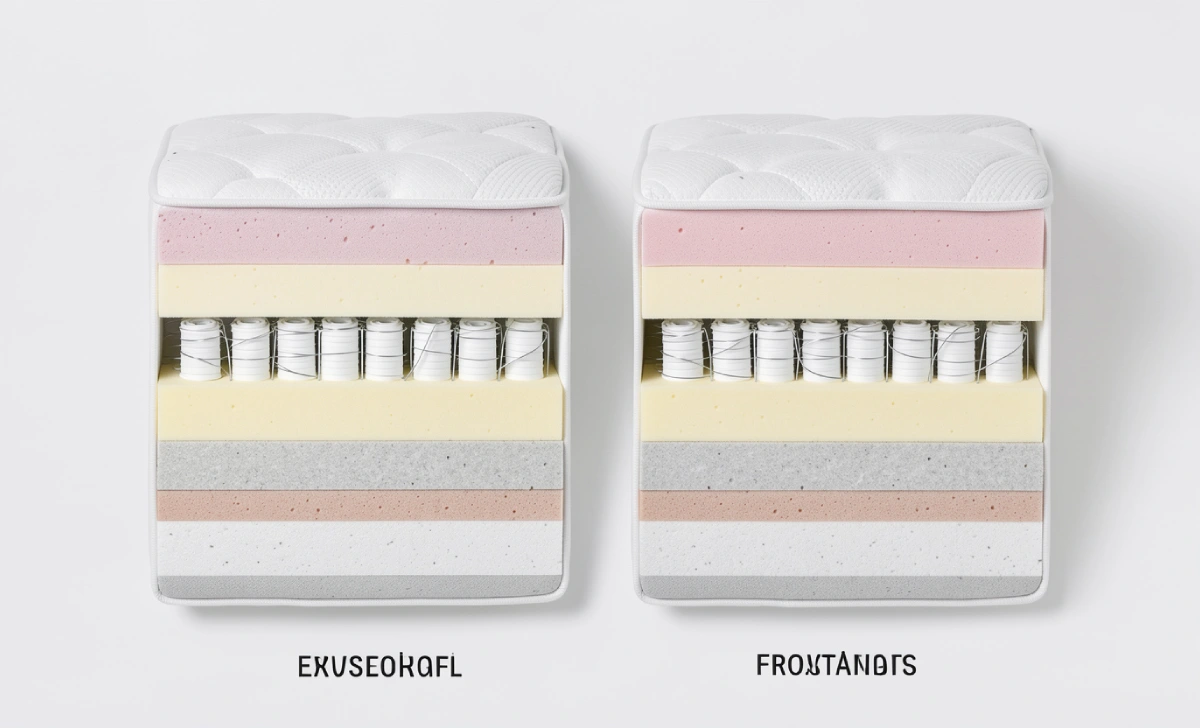
These picks are based on independent testing from labs like Naplab and Sleepopolis, plus verified buyer reviews across major retail platforms.
Zinus Green Tea Memory Foam is one of the most popular budget mattresses available, priced around $200 to $280 for a queen. It uses green tea-infused memory foam to limit odor and a base layer of high-density support foam. It suits side sleepers and lighter individuals well. The main drawback is heat retention, which can be a problem in warmer climates.
Tuft & Needle Original sits around $345 for a queen and uses a two-layer adaptive foam design. It sleeps cooler than most all-foam options and suits back and combination sleepers. Independent labs consistently place it among the top picks for value and durability at its price point.
Allswell Hybrid runs roughly $299 to $349 for a queen and is frequently on sale through Walmart. It gives you coil support and foam comfort at a low price. Edge support is strong for the price, though some long-term reviews note durability concerns after the two-year mark.
Linenspa 8-Inch Hybrid is the entry-level choice for buyers on a tight budget, often priced under $200 for a queen. It works well for guest rooms or short-term use, but it’s not the best fit for everyday primary sleep.
Nectar Classic Memory Foam regularly runs promotions that bring its queen price to around $400 to $500. It comes with a 365-night trial and a lifetime warranty, which is hard to match in this price range. Independent testers note strong motion isolation and good pressure relief, making it a strong pick for couples or side sleepers.
How to Get the Best Deal on a Cheap Mattress
Timing your purchase matters. Major sales happen on Memorial Day, Labor Day, Black Friday, and Presidents’ Day weekends. Many brands cut prices by 20 to 40% during these windows, and some include free pillows or a bed frame.
Check whether free shipping and returns are included before you order. Moving a mattress that doesn’t work is expensive and a headache if you have to pay return shipping. Most reputable budget brands handle free returns within the trial window.
Read reviews from verified buyers, not just curated testimonials on brand websites. Look for reviews that mention performance after 6 to 12 months of use, since that’s when durability issues tend to show up. A mattress that feels great in week one can sag by month eight.
If you share a bed, motion isolation and edge support matter more than they would for a solo sleeper. A hybrid or memory foam mattress handles motion transfer better than a basic innerspring model.
Frequently Asked Questions
What is a good price for an inexpensive mattress?
For a queen size in 2026, a solid budget mattress costs between $200 and $500. You’ll find good all-foam options closer to $200 and decent hybrids in the $300 to $500 range.
How long does a cheap mattress last?
A well-made budget mattress should last 5 to 7 years with proper care. Using a mattress protector and rotating it every 3 to 6 months extends its life. Mattresses with low-density foam tend to sag within 2 to 3 years.
Is a cheap mattress bad for your back?
Not necessarily. Many budget mattresses offer adequate lumbar support, especially medium-firm foam and hybrid options. If you have chronic back pain, look for zoned support layers. Tuft & Needle and Nectar both offer options with added lumbar support within budget price points.
Are online mattresses as good as in-store ones?
In many cases, yes. Online brands cut retail overhead and often put more into materials. Independent labs test online mattresses the same way as in-store models. The advantage of in-store shopping is trying before buying; the advantage of online shopping is a long home trial with free returns.
What certifications should a budget mattress have?
At minimum, look for CertiPUR-US certification on all foam components. This confirms the foam is free from harmful chemicals and meets basic durability standards. Some mattresses also carry OEKO-TEX Standard 100 certification for fabric and cover safety.