Green Curtains: How to Choose the Right Shade, Style, and Fit
Green curtains are one of the most versatile window treatments you can buy in 2026. They work across shades from soft sage to deep emerald, and pair well with neutral walls, natural wood furniture, and bold accent colors. This guide covers how to pick the right green shade for your space, which wall colors work best, what fabrics hold up over time, and how to hang them for the best result.
Why Green Curtains Work in Almost Any Room
Color trends shift constantly, but green has held steady. Olive green and emerald green velvet are among the most popular choices in 2025, with consumers drawn to the richness these shades bring into a space. That appeal is not new, but it has grown stronger as more people bring natural materials and earthy palettes into their homes.
Green sits comfortably between warm and cool on the color spectrum. That gives it unusual flexibility. A sage curtain can soften a stark modern room. A deep forest green can add weight and presence to a minimal space. An emerald panel can make a neutral bedroom feel alive without using multiple accent colors.
You can also use green curtains in rooms where you might not expect them to fit, like a home office, a bathroom, or a narrow hallway. The key is picking the right shade and the right fabric for the light and size of the room.
Choosing the Right Shade of Green Curtains
Not all greens work the same way. The shade you choose affects how your room feels, how much light it absorbs, and which other colors it sits beside naturally.
Here is a quick breakdown by shade:
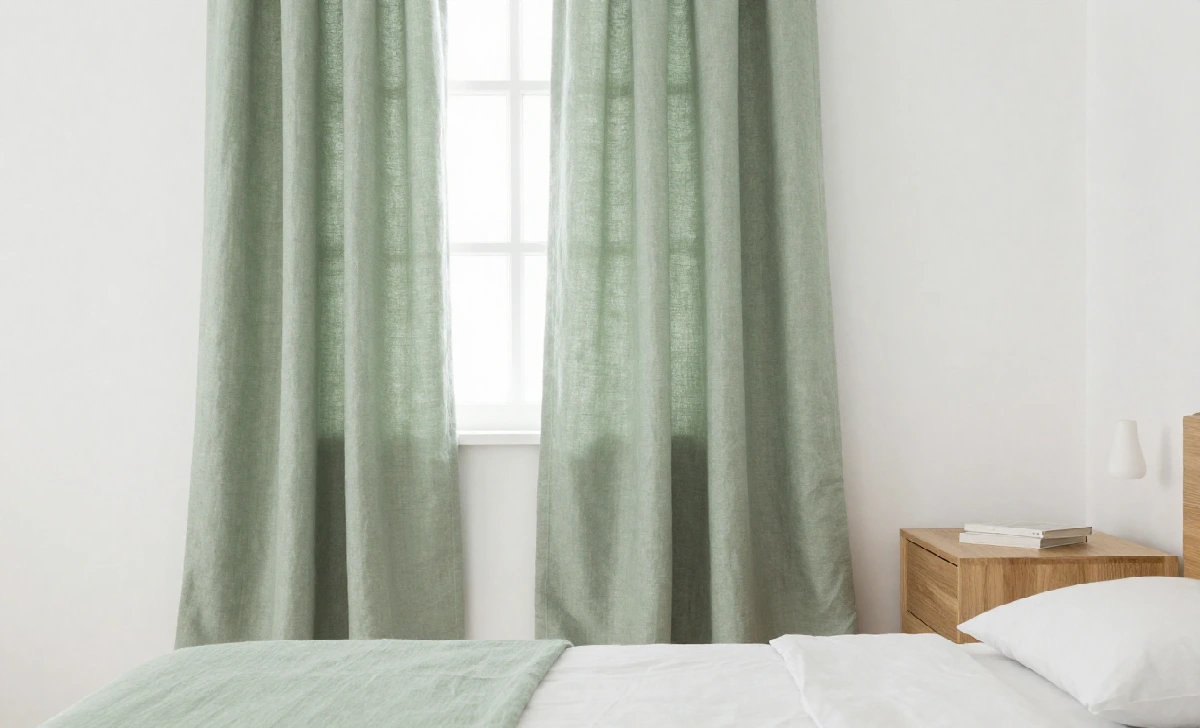
- Sage green: Muted and calm, works well in bedrooms and living rooms, pairs easily with beige, cream, and warm wood tones.
- Olive green: Earthy and warm, suits rustic or mid-century interiors, holds up against terracotta and brown furniture.
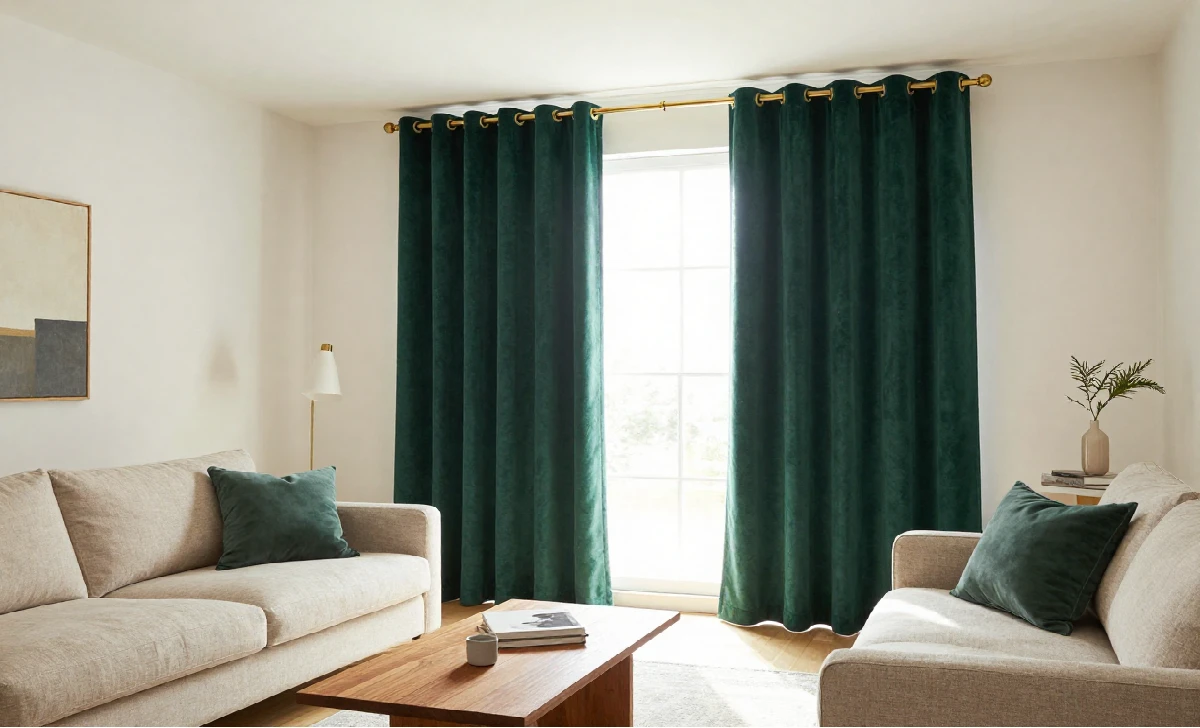
- Emerald green: Rich and saturated, works as a statement piece in larger rooms, pairs with gold hardware and brass curtain rods.
- Forest green: Deep and grounding, pairs well with dark walls or wood-heavy spaces, good for rooms where you want a moody feel.
- Mint or light green: Fresh and airy, suited to small rooms or spaces with limited natural light, pairs well with white walls and light flooring.
Earth tones like olive green are trending strongly as curtain colors, valued for the tranquil atmosphere they create. If you are choosing green curtains for the first time, sage or olive are the easiest starting points. They work with more wall colors and more furniture styles than the bolder shades.
Wall Colors That Work With Green Curtains
This is where most people get stuck. The walls you already have will largely guide which green works and which do not.
White and off-white walls are the most forgiving pairing. Any shade of green curtain will stand out clearly against a white background. The contrast is clean and works in modern, traditional, and transitional spaces.
Beige and warm neutral walls pair best with sage, olive, and forest green. The warmth in the wall color matches the earthy undertone in most muted greens. This combination feels grounded without being heavy.
Dark blue or navy walls create a bold pairing with emerald or deep green curtains. Green and blue together is a strong combination in 2025, reflecting a broader interest in nature-driven color pairings. This works particularly well in living rooms and dining spaces where you want the room to feel intentional.
Light gray walls give green curtains room to lead. The cool neutrality of gray does not compete with green, so your curtains become the main color statement in the room.
Pale yellow walls offer an unexpected but effective pairing. The warmth of yellow and the coolness of green balance each other out without visual conflict.
If your walls are already a strong color, the safest move is to bring in a green curtain that shares a similar tone. Cool-toned walls pair better with cool greens like sage or mint. Warm-toned walls pair better with olive or forest green.
Best Fabrics for Green Curtains
Fabric choice affects how your curtains drape, how much light they block, and how long they last. The color green shows differences in texture more than most neutrals, so the material you pick matters.
Linen is the most popular fabric for everyday use. It drapes loosely, holds color well, and works in both casual and formal spaces. Linen green curtains look natural and relaxed, which suits most residential rooms.
Velvet is the right choice when you want the curtain itself to be a feature. Designers in 2025 recommend investing in rich materials like silk and mohair for curtains used as statement pieces, prioritizing how the fabric feels as much as how it looks. Emerald and forest green are the shades that benefit most from velvet because the pile catches light and adds depth.
Cotton is practical and washable. It works well for lighter greens, especially in kitchens, bathrooms, and children’s rooms where cleaning matters.
Faux linen and textured weaves sit between the casual feel of cotton and the formality of velvet. They are widely available at lower price points and hold up well in rooms with high sun exposure.
If your room gets a lot of direct sunlight, check whether the fabric is treated for UV resistance. Darker greens like emerald and forest green can fade faster without lining or UV protection.
Room-by-Room Guide to Green Curtains
Living Room: Emerald or forest green curtains in floor-length panels make the most impact here. Hang the rod close to the ceiling to draw the eye upward. Pair with brass or gold hardware to complement the richness of darker greens.
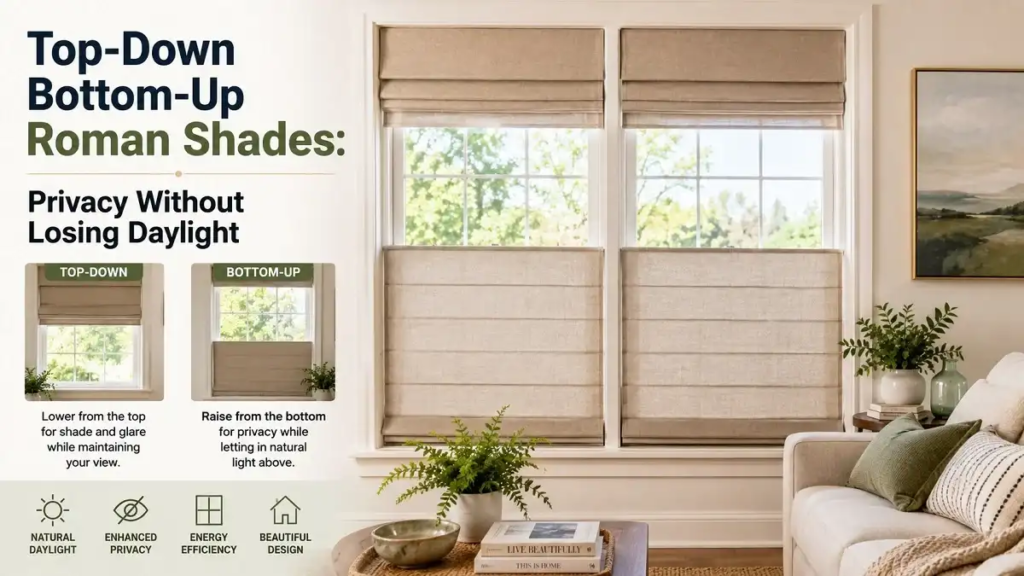
Bedroom: Sage or olive green works well in bedrooms because both shades are calm without being cold. If you want to block light, choose a lined or blackout version. Layering a light green roman shade with a sheer panel is a practical approach that keeps the room airy while controlling the light.
Kitchen: Mint or sage cafe curtains are ideal here. They cover the lower half of the window for privacy while letting natural light in from the top. Cotton or linen fabrics work best in kitchens because they are easy to wash.
Home Office: A deep green curtain can anchor a home office without making it feel closed in. Interior designer Filippo Calvagno notes that matching curtains to wall paint in a workspace creates a calming, grounded atmosphere that helps with focus.
Bathroom: Light green or sage curtains in a sheer or semi-sheer fabric work well in bathrooms with natural light. Avoid heavy fabrics in humid rooms.
How to Hang Green Curtains for the Best Result
Where and how you hang your curtains changes how the room looks, even before you consider the color.
Mount the curtain rod 4 to 6 inches above the window frame, or as close to the ceiling as possible. This creates the visual impression of a taller wall. It works in any room but is especially effective in spaces with standard 8-foot ceilings.
The rod should extend 6 to 12 inches beyond the window frame on each side. This allows the curtain panels to clear the glass completely when open, which lets in the maximum amount of light.
Curtain length matters. For most rooms, the hem should sit about half an inch above the floor. If you want a more formal look, add 2 to 3 inches and let the fabric pool lightly. Avoid curtains that hang above the floor by several inches. This looks unfinished and shortens the visual height of the room.
For green curtains specifically, choose curtain rings or hooks that complement the undertone of your shade. Brass and gold hardware enhance warm greens like olive and emerald. Matte black hardware creates a clean contrast with sage or mint. Chrome works best with cooler greens in modern spaces.
Common Mistakes to Avoid With Green Curtains
Many people choose the right shade but still end up with a result that does not look quite right. These are the most common reasons why.
- Hanging the rod at window frame height instead of ceiling height, which makes the room look smaller.
- Buying panels that are too short, leaving a gap between the hem and the floor.
- Choosing a green that fights the undertone of the wall color. Warm greens and cool-toned gray walls can clash.
- Selecting fabric that is too light for a room with strong sun exposure results in quick fading.
- Forgetting to account for coverage. One narrow panel per window looks thin and leaves gaps at the sides.
FAQs
Do green curtains make a room look smaller?
No. The shade and how you hang them matter more than the color. Dark greens in a small room can feel heavy, but sage or mint in the same space will feel fresh. Hanging the rod near the ceiling always helps the room feel larger, regardless of the curtain color.
What colors should I avoid pairing with green curtains?
Avoid pairing olive or forest green with cool gray walls if neither has a matching undertone. The combination can feel flat. Also, avoid very similar shades of green across both curtains and walls unless you intentionally want a tone-on-tone look.
Are green curtains hard to keep clean?
It depends on the fabric. Cotton and linen green curtains are generally machine washable. Velvet requires dry cleaning. Check the care label before purchasing.
Can I use green curtains in a room with patterned furniture?
Yes, but keep the curtain solid. A patterned sofa or rug already carries a lot of visual weight. A solid green curtain adds color without adding more pattern to compete with it.
What curtain hardware works best with green curtains?
Brass and gold rods suit warm greens like olive and emerald. Matte black suits cooler greens like sage and mint. Brushed nickel and chrome work in contemporary spaces with any shade of green.