Punta Cana Real Estate: What Buyers and Investors Need to Know in 2026
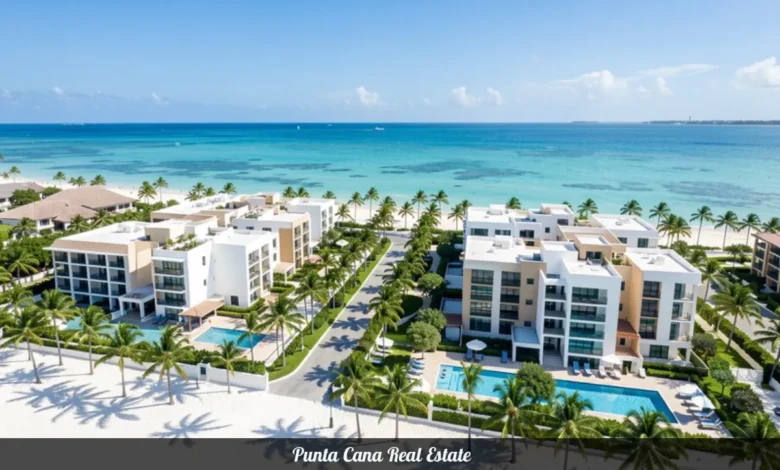
Punta Cana real estate continues to attract buyers from North America, Europe, and beyond. Property prices rose roughly 9% year-over-year from January 2025 to January 2026, driven by record tourism arrivals, airport expansion, and growing foreign investment. Rental yields range from 6% to 12%, depending on location and property type. Cap Cana commands the highest prices, while Bávaro and Verón offer more accessible entry points for first-time buyers and budget-conscious investors. The Dominican Republic allows foreigners to own property on the same terms as locals, which keeps demand strong year-round.
What Makes Punta Cana Real Estate Attractive
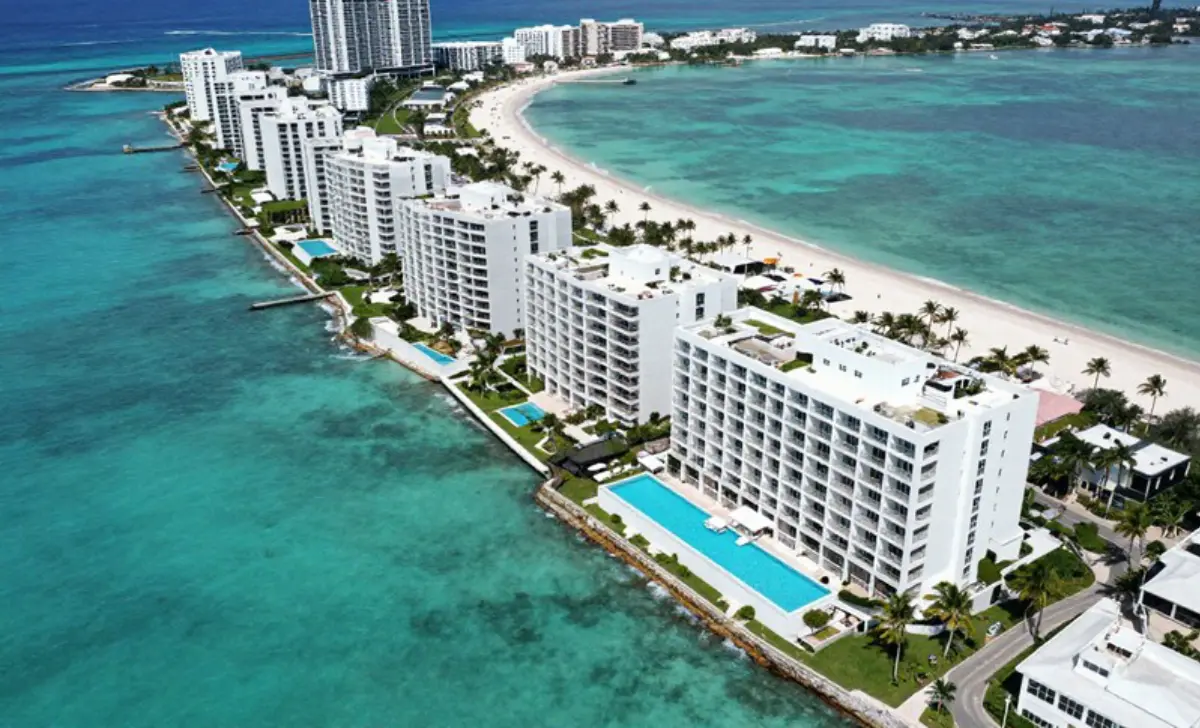
The Dominican Republic welcomed over 11 million visitors in 2025, and a large share of them entered through Punta Cana International Airport. That airport handled its busiest month on record in December 2025, with over 1 million passengers in a single month and 850 weekly flights at its peak. Tourism at that scale creates consistent demand for rental properties and keeps occupancy rates stable outside the peak season.
Foreign buyers can own property in the Dominican Republic with the same legal rights as citizens. The government offers property tax exemptions and allows investors to receive pension income tax-free. Those incentives, combined with a U.S. dollar-priced market and clear title transfer laws, reduce the friction of buying from abroad.
Prices remain lower than comparable Caribbean destinations. You can still find well-located condos in Bávaro for $150,000 to $250,000, while equivalent properties in the Cayman Islands or Turks and Caicos would cost two to three times more. That gap is part of why Punta Cana keeps drawing first-time international buyers.
Current Punta Cana Real Estate Prices
Property prices in Punta Cana rose approximately 9% from January 2025 to January 2026. After accounting for inflation, real appreciation was closer to 4%. Closed sale prices typically land about 6% below the original asking price, so negotiation is still possible in most transactions.
Price ranges vary significantly by neighborhood and property type:
- Cap Cana beachfront condos and penthouses: $1 million to $4 million
- Mid-range condos in Bávaro and Punta Cana Village: $150,000 to $400,000
- Inland houses in Verón: $80,000 to $150,000
- Luxury villas near golf courses in Cap Cana: $500,000 to $2 million+
The highest prices per square meter are in Cap Cana’s Juanillo and Punta Espada areas. The most affordable inventory sits in Verón and non-premium Downtown Punta Cana developments. If your budget sits below $200,000, focus your search on pre-construction condos in Bávaro or early-phase projects in the Macao corridor.
Best Areas for Punta Cana Real Estate Investment
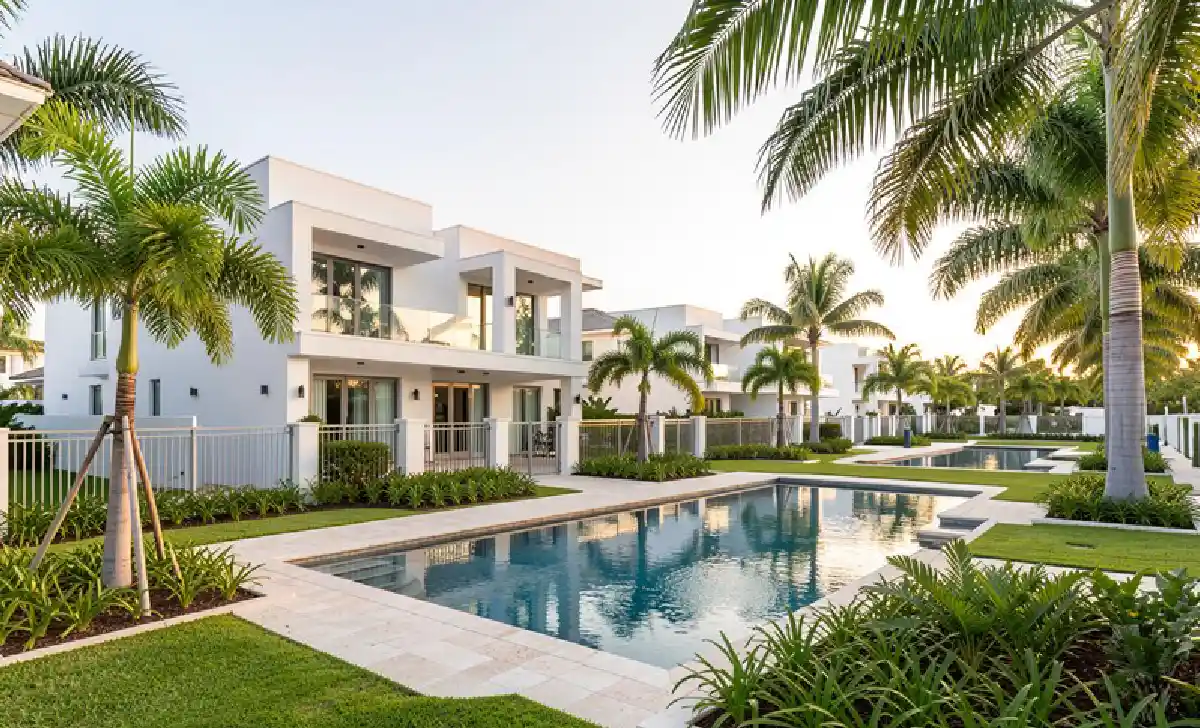
Not every neighborhood delivers the same results. Where you buy determines both your rental income potential and your long-term capital appreciation.
Cap Cana is the premium end of the market. Gated communities, golf courses, a marina, and a new cruise pier make it one of the most desirable addresses in the Caribbean. Infrastructure investment in this area is ongoing through 2026 and 2027, which historically pushes prices up 10% to 20% after project completion.
Bávaro is the most liquid part of the market. It has the highest volume of listings and the broadest range of buyers. Resale is easier here than anywhere else in the region, and it offers strong access to the beach strip and major commercial areas.
Los Corales and El Cortecito attract digital nomads and expats looking for walkable beachfront living at mid-market prices. These areas have seen rent growth of 6% to 10% over the past year.
Macao is the emerging corridor to watch. It sits north of the main tourist zone and still offers lower entry prices. Buyers willing to accept a longer appreciation timeline are entering this area now before infrastructure projects raise values.
Rental Income: What You Can Realistically Expect
Short-term rental occupancy in Punta Cana averages 48% to 50% annually, which translates to roughly 175 to 180 booked nights per year. High season runs from December through April. The low season from May to October sees noticeably slower demand.
Gross rental yields across the market range from 6% to 12% annually, with apartments averaging around 6.98% according to Global Property Guide data. Well-managed beachfront properties in Cap Cana or Los Corales can hit the higher end of that range. Inland or poorly located units typically fall below 6%.
The average monthly rent for a two-bedroom apartment in Punta Cana sits at around $1,250 in early 2026. Properties within gated communities with pools, backup power, and security rent for 10% to 25% more than comparable units without those features. Most Punta Cana rentals are priced in U.S. dollars, which benefits foreign landlords and reduces currency conversion risk.
Keep in mind the Airbnb supply has grown to roughly 5,000 or more active listings. Competition is real, and a poorly marketed or unfurnished property will underperform the market average.
How Foreigners Buy Punta Cana Real Estate
The buying process in the Dominican Republic is more straightforward than in many Latin American countries, but you still need to follow specific steps.
Here is what the typical purchase process looks like:
- Choose a licensed local real estate attorney (separate from the seller’s agent)
- Sign a Promise of Sale agreement and pay a deposit, usually 10% to 30%
- Your attorney conducts a title search through the Title Registry (Registro de Títulos)
- Pay a one-time property transfer tax of 3% of the assessed value
- Sign the final deed before a notary and register the title in your name
The entire process takes 30 to 90 days for existing properties. New developments often require staged payments over the construction period, with final title transfer at completion.
Property taxes in the Dominican Republic are low by international standards. Properties valued under approximately $150,000 USD pay no annual property tax. Above that threshold, an annual tax of 1% applies to the assessed value above the exemption level.
Hiring a bilingual attorney with experience in foreign buyer transactions is not optional. Title fraud and squatter disputes exist in some areas, and a proper title search before you sign anything will protect your investment.
Risks Worth Knowing Before You Buy
The Punta Cana market has strong fundamentals, but it also has real risks that too many buyers ignore until it is too late.
Resale condos with inflated asking prices sit on the market for six months or longer in 2026. If a listing is still active after four months without a price reduction, that is a sign the seller is out of step with the market. Use that as a negotiating point or walk away.
Oversupply is a concern in specific segments. The volume of active Airbnb listings has expanded quickly, and not all rental properties perform as developers or agents project. Ask for actual occupancy data from comparable units in the same building before you buy for rental income.
Construction quality varies widely. Cap Cana and established resort developments tend to hold higher build standards. Smaller or independent developers may cut corners, especially on electrical systems, waterproofing, and structural reinforcement. Commission an independent inspection before closing on any pre-owned or recently completed unit.
Currency fluctuation between the Dominican peso and the U.S. dollar affects the local cost of living and operating expenses, even though your property is priced in dollars. Factor in a buffer for maintenance, property management fees (typically 15% to 25% of rental income), and any local repairs.
FAQs About Punta Cana Real Estate
Can foreigners own property in Punta Cana?
Yes. The Dominican Republic grants foreign nationals the same property ownership rights as citizens. There are no restrictions on purchasing land or residential property.
What is the minimum budget to invest in Punta Cana real estate?
You can enter the market starting around $80,000 for an inland condo in Verón or a pre-construction unit in an emerging area. Beachfront or Cap Cana properties start around $300,000 for a one-bedroom unit.
Are rental yields strong in Punta Cana?
Yields range from 6% to 12% annually, depending on location, property type, and management quality. Beachfront and gated community properties consistently outperform inland units.
Do I need to be in the Dominican Republic to buy?
No. Many buyers complete transactions through a power of attorney, allowing a local attorney to sign on their behalf. You will still need to visit or review documents digitally during the due diligence phase.
Is Punta Cana real estate a good long-term investment?
Based on current data, prices have appreciated steadily over the past decade. Record tourism arrivals in 2025 and ongoing infrastructure investment support continued growth, particularly in Cap Cana and the Macao corridor. No investment is risk-free, but the fundamentals in this market remain solid heading into 2026.