Open Houses Near Me: Your Complete Guide to Finding and Attending Local Property Tours
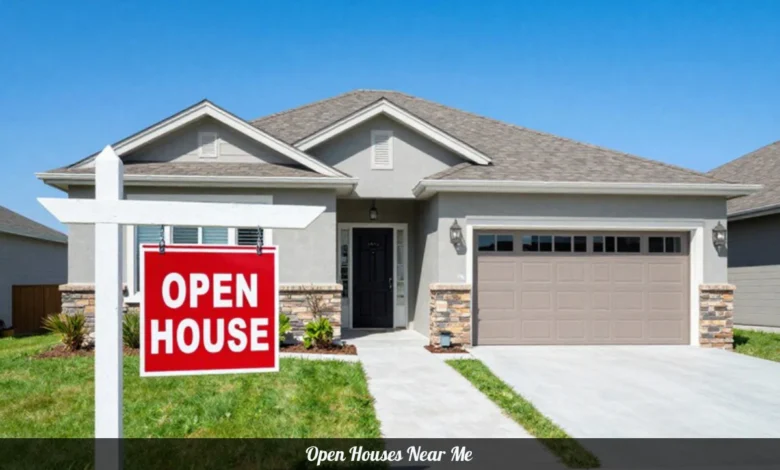
Open houses near you offer walk-through property tours without appointments, typically held on weekends. Find them through real estate websites like Zillow, Redfin, and Realtor.com, mobile apps with location alerts, social media searches, yard signs, or your agent. Most open houses run 2-3 hours and let you explore homes freely, ask questions, and compare properties in person before making buying decisions.
You spot a “for sale” sign while driving through your neighborhood. You pull up a real estate app and search “Open Houses Near Me.” Within seconds, you see dozens of properties available for touring this weekend.
This is how most buyers start their home search in 2026. Open houses give you direct access to properties without scheduling private showings or making commitments. You walk in, explore at your pace, and leave when you’re ready.
But finding the right open houses requires knowing where to look and what to do once you arrive. This guide shows you exactly how to locate open houses in your area and make the most of each visit.
What Makes Open Houses Different From Private Showings
Open houses are scheduled events where homes listed for sale are opened to the public for viewing, differing from private showings, which are only available to serious potential buyers.
You don’t need an appointment. You don’t need to prove you’re pre-qualified. You simply show up during the posted hours and walk through the property.
The seller’s agent hosts the event, greeting visitors and answering questions. The actual homeowner typically isn’t present, giving you freedom to examine the property honestly without awkward encounters.
Most open houses run for 2-3 hours on Saturday or Sunday afternoons. Some agents schedule weekday events during lunch hours or early evenings to catch buyers with different schedules.
Finding Open Houses in Your Area
Real estate websites dominate the open house search game. Zillow, Redfin, Realtor.com, and Homes.com all feature dedicated open house sections with filters for your location, date, and price range.
These platforms update listings in real time. When an agent schedules an open house, it appears on these sites within hours. You can search by city, zip code, or neighborhood to see what’s available near you.
Mobile apps take this further with geolocation features. Apps like Zillow and Redfin let you enable location services and see open houses within a specific radius of your current position. Set up alerts, and you’ll get notifications when new open houses pop up in your target areas.
Social media has become a valuable tool as many sellers and real estate agents use it to show off homes and promote upcoming open houses. Search “open house” plus your city name on Instagram or Facebook to find local events. Follow real estate agents in your area for regular updates.
Traditional yard signs still work. Drive through neighborhoods where you want to live and watch for “open house” riders on for-sale signs. Most signs include dates and times for upcoming events.
Your real estate agent remains one of the best resources if you’re working with one. Agents have access to MLS databases showing all scheduled open houses before they hit public websites. They can create custom lists matching your criteria and send you weekly updates.
Best Times to Attend Open Houses
Timing affects both the crowds you’ll encounter and the attention you’ll receive from the hosting agent.
Early arrivals get the best experience. Show up within the first 30 minutes of an open house, and you’ll often be the only visitor. The agent can give you undivided attention, answer detailed questions, and share information they might not have time for later when multiple groups arrive.
Mid-event visits mean more competition but also more energy. Seeing other buyers walk through creates urgency and helps you gauge market interest in the property. You might overhear questions you hadn’t thought to ask.
Late arrivals face tired agents and picked-over information sheets, but you also get honest feedback. Agents who’ve talked to 20 people will tell you straight what buyers liked and what concerns came up most often.
Weekend open houses attract the most traffic. Open houses are typically held on weekends to maximize foot traffic. Saturday and Sunday afternoons from 1-4 PM represent peak times when most buyers tour properties.
Weekday events draw serious buyers. Someone who takes time off work to attend a Tuesday open house probably isn’t browsing casually. You’ll meet fewer lookers and more motivated shoppers at these events.
What to Bring to an Open House
Pre-approval letters carry weight even at open houses. While you don’t need to show one to enter, having it ready signals you’re a serious buyer if you decide to make an offer later. A pre-approval letter shows the Realtor and seller that you’re ready and credible.
Your phone serves multiple purposes. Take photos of rooms you want to remember, record video walkthroughs, and use note-taking apps to document observations. Many buyers create comparison spreadsheets with photos from different properties.
Bring a checklist of must-haves and deal-breakers. Room counts, storage space, natural light, condition of appliances, neighborhood noise levels—write down what matters to you before you start touring. Your list keeps you focused when you’re standing in a beautifully staged living room.
Wear comfortable shoes. You might walk through 5-10 homes in a single afternoon. Touring multiple properties helps you compare layouts, finishes, and value across different price points.
Business cards or contact info help if you want the listing agent to follow up with additional information. Some buyers prefer to remain anonymous at first, which is fine too.
Making the Most of Your Open House Visit
Walk the property systematically. Start at the front door and move through each room in order. This methodical approach helps you remember the layout later when you’re comparing properties.
Before entering, observe the house’s exterior, yard, and curb appeal. The outside condition tells you about maintenance and helps you imagine pulling up to this house every day.
Ask specific questions about recent updates, utility costs, neighborhood details, and reasons for selling. Generic questions get generic answers. Meeting with listing agents can yield valuable information about the home, neighborhood, and surrounding community.
Test everything you’re allowed to touch. Flip light switches, open closets, and run faucets if permitted. Check for water pressure, storage depth, and window operation. These details matter when you’re living in the house daily.
Look beyond the staging. Beautiful furniture and fresh flowers distract from structural issues. Focus on bones—foundation, roof, windows, HVAC systems. Ask when major components were last replaced.
Check the neighborhood at different times. Drive by in the morning, afternoon, and evening if you’re seriously interested. Park on the street for 10 minutes and observe traffic patterns, noise levels, and how neighbors maintain their properties.
Benefits of Attending Multiple Open Houses
Attending multiple open houses helps buyers better understand the current local real estate market in terms of pricing, available property types, and neighborhood amenities.
You develop pricing instincts. After seeing 10 homes in the $350,000-$400,000 range, you’ll know which ones offer good value and which ones are overpriced for their condition and location.
You refine your wish list. The first few open houses help you separate wants from needs. By the fifth house, you know exactly which features you can’t live without and which ones you’re willing to compromise on.
You learn negotiation angles. Seeing homes that have sat on the market for 60+ days versus ones with multiple offers teaches you which properties have leverage and which ones don’t.
You build agent relationships. Attending open houses introduces you to different agents and their communication styles. You might find an agent you want to work with as your buyer’s representative.
Common Open House Etiquette Rules
Sign in when requested. Most agents have sign-in sheets at the entrance. Providing your contact information is optional but helpful if you want follow-up details about the property.
Follow house rules. Don’t be surprised if you’re asked to take off your shoes, wear a mask, or follow other house rules during the open house. Some sellers request shoe removal to protect floors, especially during muddy seasons.
Don’t criticize the home in front of the agent or other visitors. Negative comments about decor, layout, or condition put agents on the defensive and don’t help your negotiating position if you decide to make an offer.
Bring children only if they can behave appropriately. Open houses aren’t playgrounds. If your kids can’t tour quietly without touching everything, arrange childcare or visit properties separately.
Respect privacy. Don’t open drawers, medicine cabinets, or closets unless the agent specifically invites you to check storage space. The homeowner’s personal items are off-limits.
When Open Houses Lead to Offers
Some buyers find their perfect home at an open house and want to act quickly. The process for making an offer after an open house follows standard real estate procedures.
Contact your buyer’s agent if you have one. They’ll help you craft a competitive offer based on comparable sales, property condition, and market conditions. Your agent submits the offer to the listing agent who presented the open house.
If you don’t have representation yet, you can work directly with the listing agent. Just understand they represent the seller’s interests, not yours. Many buyers prefer to hire their own agent before making offers to ensure someone advocates for their position.
Expect competition in hot markets. Popular properties might receive multiple offers after a well-attended open house. Coming prepared with pre-approval and earnest money deposits helps you move quickly if needed.
How Often New Open Houses Appear
Active markets see new open house listings daily. Major real estate websites update their open house calendars every few hours as agents add new events.
Most open houses are scheduled 3-7 days in advance. Agents need time to prepare properties, coordinate with homeowners, and market the event. Last-minute listings occasionally appear if sellers want immediate exposure.
Check listings midweek for weekend events. Tuesday through Thursday is when most agents finalize their weekend open house schedules. Setting up automated alerts ensures you don’t miss new opportunities.
Virtual Open Houses vs. In-Person Tours
Virtual open houses gained popularity during 2020-2021 and remain available for many properties. These online events let you tour homes through video walkthroughs and live-streamed presentations.
While virtual tours are convenient, especially for out-of-state buyers, there’s no substitute for physically stepping into a home. Virtual tours can’t replicate the experience of feeling room sizes, testing door operation, or sensing neighborhood atmosphere.
Use virtual tours for initial screening. Browse online walkthroughs to eliminate properties that clearly don’t meet your needs. Save in-person visits for homes that pass your digital review.
Out-of-state buyers benefit most from virtual open houses. If you’re relocating from across the country, virtual tours narrow your list before you fly in for a concentrated weekend of in-person showings.
Questions to Ask at Every Open House
How long has the property been on the market? Days on market indicate seller motivation and pricing accuracy. Properties listed 90+ days often have room for negotiation.
Why is the seller moving? Job relocation, downsizing, and upgrading—the reason affects the timeline and flexibility. Sellers who must move quickly for employment might accept lower offers to close faster.
What’s included in the sale? Appliances, window treatments, light fixtures, and built-in shelving may or may not transfer. Clarify what stays and what goes before you make assumptions.
When were major systems replaced? The age of the roof, HVAC, water heater, and appliances affects your near-term maintenance costs. Homes with 15-year-old furnaces need budgeting for replacement soon.
What are the utility costs? Monthly bills for gas, electricity, water, and trash vary significantly between properties. High utility costs might make a cheaper house more expensive to own.
Are there any known issues? Agents must disclose material defects they’re aware of. Ask directly about foundation problems, water damage, pest issues, or other concerns.
What have other buyers said? Agents often share feedback from previous showings. Learning what concerns other buyers helps you evaluate the property objectively.
Using Open Houses When You’re Not Ready to Buy
Unlike private tours, open houses do not require scheduling appointments in advance, thus offering a less pressured environment to explore homes at the buyer’s own pace.
Early-stage shoppers use open houses to learn what’s available at different price points. You might be saving for a down payment, but want to understand what $400,000 buys in your target neighborhood.
Renters considering buying attend open houses to compare homeownership costs against their current rent. Seeing actual properties makes the transition from renting to owning feel more concrete.
Homeowners planning to sell visit open houses to see how competing properties are staged, priced, and presented. You’ll gather ideas for preparing your own home when you’re ready to list.
Investors scout open houses for potential rental properties or fix-and-flip opportunities. Open houses let you evaluate properties quickly without coordinating multiple private showings.
Red Flags to Watch for at Open Houses
Fresh paint often covers problems. While the updated paint looks nice, question why every room was recently painted. It might hide water stains, cracks, or other wall damage.
Heavy air fresheners or scented candles sometimes mask odors. Sellers use strong scents to cover pet smells, mold, smoke, or other unwelcome aromas. Pay attention if the house smells artificially perfumed.
Furniture blocking areas suggests hiding damage. If a dresser sits oddly in front of a wall or artwork hangs in unusual spots, look closer. These placements might conceal holes, cracks, or stains.
Seller not present but “recently moved out” can signal issues. When sellers vacate before listing, they’re often hiding problems or creating distance from difficult conversations about property condition.
Deferred maintenance piles up. One issue might be fixable, but multiple problems—worn carpet, cracked driveway, peeling paint, leaking faucets—indicate overall neglect requiring major investment.
Open House Success Stories
Many buyers find their homes through open houses. The National Association of Realtors reports that while only 2-3% of sales result directly from open houses, they serve as starting points for many successful purchases.
Buyers often attend open houses weeks or months before making offers. The home they saw in January might not be the one they buy, but the experience helps them recognize a good deal when they see one in March.
Open houses also generate backup offers. Primary offers sometimes fall through during inspection or financing. Buyers who toured during an open house and showed interest often get called when deals collapse.
FAQs
Can anyone attend an open house?
Yes. Anyone interested can attend open houses, whether they’re actively looking to buy or just curious about the property. You don’t need pre-qualification, appointments, or agent representation to walk through during posted hours.
Do I need to bring proof of financing to an open house?
No financing proof is required to attend. Bringing a pre-approval letter helps if you want to make an offer afterward, but it’s not necessary just to tour the property and gather information.
How long should I spend at each open house?
Plan 15-30 minutes per property. Quick walk-throughs take 10 minutes if you know it’s not right immediately. Homes you’re seriously interested in might warrant 45 minutes to examine details and ask thorough questions.
What happens if I want to make an offer after an open house?
Contact your buyer’s agent, who will help you submit an offer to the listing agent. If you don’t have representation, you can work with the listing agent directly or quickly engage a buyer’s agent to represent your interests.
Are open houses safe to attend?
Generally, yes, but take basic precautions. Attend with another person when possible, don’t share excessive personal information with strangers, and keep belongings secure. Most open houses occur during daylight hours in public view, making them relatively low-risk events.