Craft Storage Cabinet: Your Complete Buying Guide for 2026
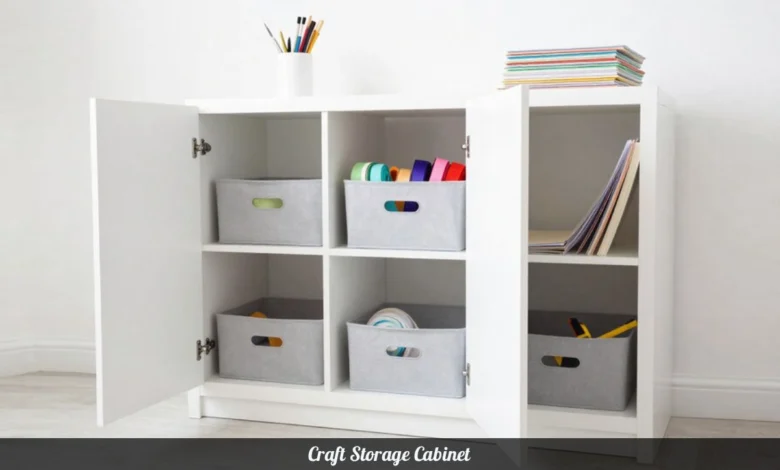
A craft storage cabinet organizes supplies in one accessible location, replacing scattered bins and boxes. Premium options like DreamBox and Best Craft Organizer offer modular designs with customizable drawers, adjustable shelves, and fold-out work surfaces. Prices range from $200 to $3,000. Key features include durable melamine construction, mobility options, and storage capacity matching your craft type.
Your crafting supplies deserve better than plastic totes shoved under beds and closets crammed with ribbon. A quality craft storage cabinet transforms chaos into creativity. You open the doors, and everything sits exactly where you left it, organized, visible, ready to use.
The right cabinet saves you time and frustration. You’ll spend less energy hunting for supplies and more time making things.
What Makes a Craft Storage Cabinet Different
Standard furniture fails crafters. You need specific dimensions for 12×12 paper, proper depth for fabric bolts, and visibility for small items like beads and buttons.
Craft-specific cabinets solve these problems with adjustable shelving, clear storage bins, and work surfaces designed for cutting and assembly. These cabinets feature multiple heights and widths, modular expandability, and mobility options, including casters for movement or legs for lift.
The materials matter too. Quality craft cabinets use 3/4-inch thermofused melamine panels that resist scratches, stains, and heat damage from craft tools.
Top Features Worth Your Money
Customizable Storage Systems
Each cabinet includes vertical slots to hold drawers, paper shelves, or adjustable shelves, letting you configure storage based on what you actually own. Paper crafters need different solutions than quilters or jewelry makers.
Look for cabinets with:
- Adjustable shelf heights for varied supply sizes
- Mix-and-match drawer options
- Clear bins or totes for visibility
- Dedicated spaces for specialty items
Fold-Out Work Surfaces
Space-saving design meets function. Many cabinets include fold-out tables that expand your work area, then tuck away when finished. Standard fold-out tables measure 24 x 36 inches, while larger cutting tables expand to 46 x 40 inches.
Mobility vs. Stability
Mobile cabinets on casters let you reconfigure your space or move projects between rooms. Fixed cabinets with stabilizer feet or wall anchors provide solid work surfaces for heavy equipment like die-cutting machines.
Choose based on your space constraints and whether you need flexibility or permanence.
Price Ranges and What You Get
Budget Options ($200-$500)
Entry-level solutions from brands like Sauder provide basic drawer and shelf configurations. These work well for beginning crafters or those with limited supply collections.
Expect engineered wood construction, fixed shelving, and minimal customization at this price point.
Mid-Range Solutions ($500-$1,500)
This sweet spot delivers serious organization without breaking the bank. Craft and sewing armoires include fold-out tables, multiple shelves, and drawer options.
You get better materials, more storage capacity, and a modular design that grows with your hobby.
Premium Cabinets ($1,500-$3,000+)
High-end options like the DreamBox 3.0 offer maximum storage and customization. Users report consolidating two cabinets, a bookcase, and half a closet into one unit, making the investment worthwhile for serious crafters with extensive collections.
Space Considerations That Matter
Closed Dimensions
Measure your space carefully. Premium cabinets are quite deep and protrude from the wall considerably when closed. A cabinet that looks perfect online might dominate your room in reality.
Standard closed dimensions for full-size craft cabinets:
- Width: 40-46 inches
- Depth: 20-24 inches
- Height: 60-72 inches
Open Workspace
When doors open and tables extend, your footprint doubles or triples. A 46-inch wide closed cabinet expands to form a 46 x 40-inch table top when fully opened.
Calculate both closed and open dimensions before purchasing. Leave at least 3 feet of clearance around the cabinet for comfortable access.
Construction Quality Indicators
Materials That Last
Avoid thin particleboard that sags under weight. Quality cabinets use sturdy wood construction with durable plastic shelves and drawers that withstand daily use.
Check weight capacity specifications. Shelves should support at least 25-30 pounds each for storing heavy supplies like paint bottles or fabric bolts.
Hardware Details
Soft-close hinges prevent slamming and extend door life. Heavy-duty metal casters allow easy movement even on thick carpet, while locking wheels secure the cabinet in position during use.
Look for full-extension drawer slides that provide complete access to contents without dark, unreachable corners.
Assembly Reality Check
DIY Installation Time
Assembly takes approximately 4-5 hours each day over two days for premium cabinets. Budget options typically require 2-3 hours of work.
Clear instructions and labeled parts make assembly manageable, but you’ll need basic tools and patience. Consider recruiting help for large, heavy pieces.
Pre-Assembly Options
Pre-assembled delivery costs extra but saves time and hassle. This option arrives with the main sections built, requiring only connection and final setup.
Worth considering if you lack tools, time, or confidence in furniture assembly.
Storage Capacity by Craft Type
Paper Crafters and Scrapbookers
You need storage for 12×12 paper, dies, stamps, and embellishments. Look for adjustable shelving that accommodates varying paper sizes and shallow drawers for organizing small items.
Users report storing cardmaking, watercolor, journaling, and diamond art supplies, plus drawers for additional items, all in one cabinet.
Fabric and Sewing Enthusiasts
Bolt storage, thread organization, and cutting space define your needs. The best cutting height for fabric and paper measures 35 inches when closed, creating the ideal working height when extended.
Choose cabinets with deeper drawers for storing larger fabric pieces and notions.
Mixed Media Artists
You own everything: paints, brushes, markers, adhesives, embellishments, and tools. Crafters with multiple hobbies report easily transitioning between projects while staying organized.
Prioritize maximum customization with varied drawer depths and adjustable shelving to accommodate diverse supplies.
Smart Shopping Strategies
Measure Before Buying
Write down the exact dimensions of your available space, including door clearances and ceiling height. Compare these measurements against both closed and open cabinet specifications.
Consider Growth Potential
Your supply collection will expand. Modular cabinets let you add drawers, paper shelves, or adjustable shelves as your supplies grow.
Read Real User Reviews
Customers emphasize drawer strength, ease of cleaning, customization options, and caster quality as key factors in long-term satisfaction.
Common Mistakes to Avoid
Underestimating Assembly Complexity
Simple-looking cabinets can involve hundreds of parts and confusing instructions. Watch manufacturer assembly videos before purchasing to gauge whether you can complete the job.
Ignoring Material Quality
Cheap construction fails quickly under craft room conditions. Adhesive spills, dropped scissors, and heavy supplies demand durable materials.
Invest in quality materials that survive daily creative chaos.
Buying Too Small
Craft supplies multiply mysteriously. That “plenty of space” cabinet fills up within months. Users consistently report being surprised by how much storage they actually need.
Go bigger than your initial estimate.
Alternatives Worth Considering
Modular Shelving Systems
IKEA Kallax units with specialized inserts cost less than dedicated craft cabinets. You sacrifice integrated work surfaces but gain flexibility in configuration.
Craft Carts
Mobile craft carts offer portability and basic organization at a lower cost. These work as supplements to existing storage or primary solutions for crafters with minimal supplies.
Armoire Conversions
Repurpose existing armoires with added shelves, bins, and organizers. This approach costs less but requires more hands-on customization work.
Maintenance and Longevity
Clean melamine surfaces with damp cloths and mild soap. Avoid harsh chemicals that damage finishes. Oil drawer slides annually to maintain smooth operation.
Quality cabinets come with lifetime warranties, protecting your investment against manufacturing defects.
Treat your cabinet well, and it will serve you for decades.
Is a Craft Storage Cabinet Worth It?
For crafters who have been creating for years with extensive supply collections, investing in dedicated storage provides substantial value.
You’re not just buying furniture. You’re reclaiming time previously wasted searching for supplies and creating a space that inspires creativity.
Budget crafters with minimal supplies can start with less expensive options and upgrade later. Serious makers with growing collections should invest in quality systems that accommodate future expansion.
Final Thoughts
Your craft supplies represent years of collecting and countless creative possibilities. They deserve proper storage that protects your investment and makes creating easier.
A craft storage cabinet transforms scattered chaos into organized inspiration. You know exactly what you own, where to find it, and you spend your time making things instead of hunting for supplies.
Choose based on your actual needs: measure your space, count your supplies, consider your budget, and pick the cabinet that matches your crafting style.
FAQs
What size craft storage cabinet do I need?
Measure your current supplies spread across all storage locations. Add 30% for growth. Full-size cabinets (40+ inches wide) work for extensive collections, while compact options (20-30 inches) suit limited supplies or small spaces.
Can I move a craft storage cabinet between rooms?
Cabinets with heavy-duty casters roll easily on most surfaces. Models weighing 100+ pounds require two people for safe movement, even with wheels. Fixed cabinets need disassembly for relocation.
How do I organize supplies in a craft storage cabinet?
Group items by project type or frequency of use. Store frequently used supplies at eye level, heavy items low, light items high. Use clear containers for small items and label everything systematically.
Are craft storage cabinets worth the cost compared to regular furniture?
Craft-specific cabinets optimize storage for supplies that regular furniture can’t accommodate. If you spend significant time crafting and own substantial supplies, specialized storage provides better value through improved organization and accessibility.
What’s the difference between craft carts and full cabinets?
Carts offer mobility and basic storage at a lower cost but provide limited capacity and minimal work surface. Full cabinets sacrifice portability for maximum storage, integrated work areas, and comprehensive organization systems.