Blog Home Ideas TheHomeTrotters: Transform Your Space in 2026
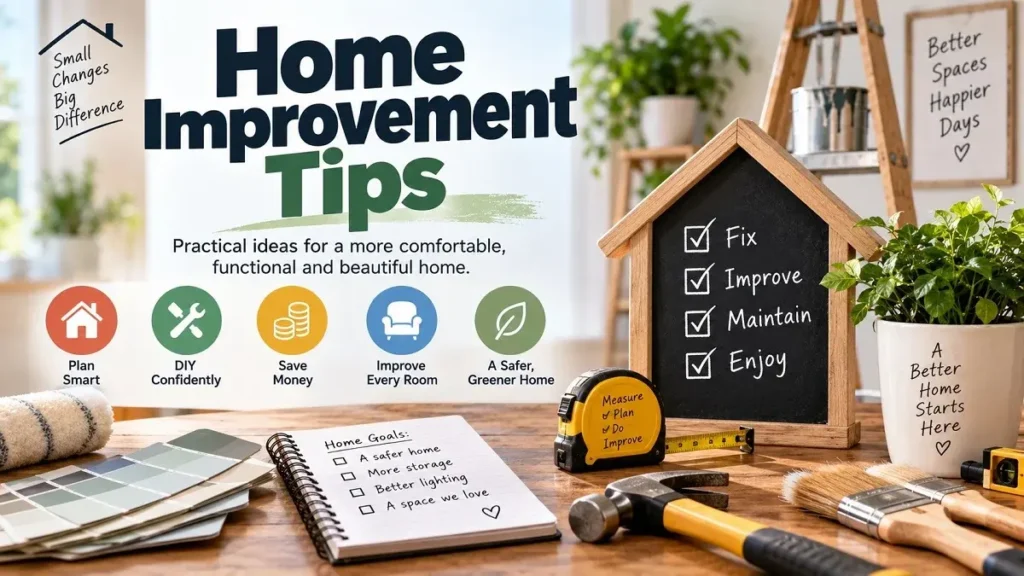
Blog Home Ideas TheHomeTrotters offers practical solutions for transforming your living space through smart technology, sustainable materials, and personalized design. These ideas blend functionality with style to create homes that reflect your personality while meeting daily needs.
Your home should work for you. It should reflect who you are and support how you live. Blog Home Ideas TheHomeTrotters brings fresh perspectives on creating spaces that feel personal, functional, and beautiful. You don’t need a massive budget or professional help to make meaningful changes.
Small updates can shift your entire environment. A new color on the walls, rearranged furniture, or thoughtful lighting can transform how a room feels. The key is knowing where to start and what works for your space.
Why Home Design Matters More Than Ever
Your surroundings affect your mood, productivity, and well-being. A cluttered, uninspiring space drains energy. A thoughtfully designed home supports your daily routines and brings comfort.
Recent data shows homeowners are investing more in their spaces. According to the National Kitchen & Bath Association’s 2026 trend reports, 71% of designers now prefer colorful kitchens over all-white designs. People want personality in their homes, not cookie-cutter spaces.
Your home tells your story. Every piece of furniture, every color choice, every decorative item speaks to your experiences and values. When you design with intention, you create an environment that genuinely feels like yours.
Budget-Friendly Updates That Make Real Impact
You don’t need to spend thousands to see real change. Smart, targeted updates deliver results without breaking the bank.
Start with paint. A fresh coat transforms any room quickly and affordably. Choose colors that match your natural lighting. Test samples on your walls before committing to full gallons.
Rearrange your furniture. Sometimes the best changes cost nothing. Move your sofa away from the wall, create conversation areas, or add a reading nook in an unused corner. Consider traffic flow and how you actually use each space.
Swap out hardware and fixtures. New cabinet pulls, door handles, or light switch plates add polish for minimal cost. These small details elevate the entire room.
Add greenery. Plants bring life and freshness to any space. Start with low-maintenance options like snake plants or pothos if you’re new to plant care. Place them near windows for natural light or invest in grow lights for darker corners.
Update textiles. New throw pillows, curtains, or area rugs inject color and texture without major expense. Look for pieces that complement your existing furniture while adding visual interest.
Smart Technology for Modern Living
Technology makes homes more comfortable and efficient. Smart devices save energy, improve security, and simplify daily tasks.
Smart thermostats learn your schedule and adjust temperatures automatically. You can control them from your phone, reducing energy waste when you’re away. These devices typically pay for themselves through lower utility bills within a few years.
Voice-controlled lighting offers convenience and ambiance. Set different scenes for different activities. Dim lights for movie nights, brighten them for work tasks, or use timers to simulate occupancy when you travel.
Smart security systems provide peace of mind. Monitor cameras from anywhere, receive alerts about unusual activity, and control door locks remotely. Many systems integrate with other smart devices for comprehensive home automation.
Connected appliances streamline household tasks. Smart refrigerators track inventory and suggest recipes. Programmable coffee makers start brewing before you wake. Robotic vacuums clean floors while you work.
The technology keeps improving. Focus on devices that solve actual problems in your daily life rather than buying gadgets for their own sake.
Sustainable Choices for Long-Term Savings
Green upgrades benefit both the environment and your wallet. Many sustainable options reduce ongoing costs while improving home value.
Solar panels convert sunlight into electricity. While installation requires upfront investment, many homeowners see significant long-term savings on energy bills. Federal and state incentives often offset initial costs.
Energy-efficient appliances use less electricity and water. Look for Energy Star ratings when replacing older units. These appliances perform just as well while cutting utility expenses.
LED lighting consumes far less power than traditional bulbs and lasts much longer. Replace incandescent bulbs throughout your home for immediate savings and reduced replacement frequency.
Low-flow fixtures conserve water without sacrificing performance. Modern designs maintain good pressure while using less water per minute. Your water bill drops, and you reduce strain on local water systems.
Natural materials like bamboo and recycled wood offer durability and environmental benefits. These options often cost less than traditional materials while providing a unique aesthetic appeal.
Room-by-Room Transformation Ideas
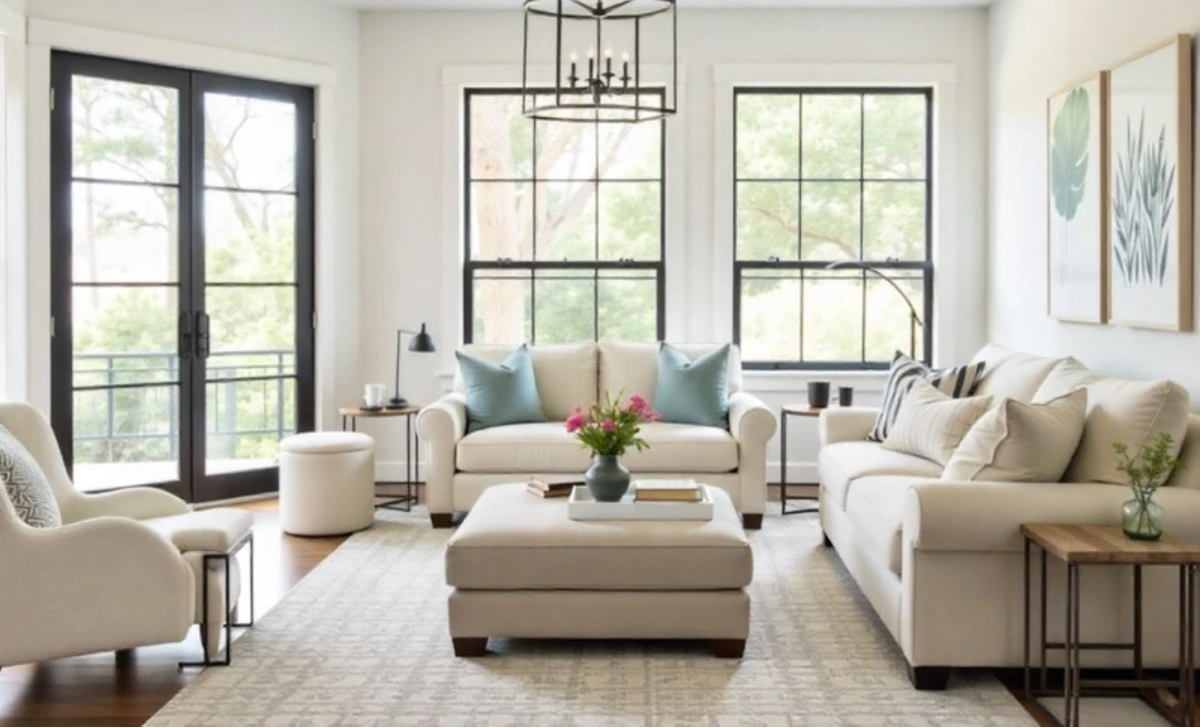
Each space in your home serves different purposes and deserves specific attention.
Kitchen Updates
The kitchen remains the heart of most homes. Focus on functionality first, then add personality through finishes and details.
Organize your storage. Use drawer dividers, lazy susans, and vertical organizers to maximize cabinet space. Clear countertops create a calmer cooking environment.
Upgrade countertops strategically. Quartz offers durability and low maintenance. Butcher block adds warmth and character. Choose materials that match your cooking habits and aesthetic preferences.
Install open shelving for frequently used items. This practical solution also displays attractive dishware and adds visual interest.
Replace outdated backsplashes. Subway tiles remain popular, but consider patterns or colors that reflect your style. This relatively small change dramatically shifts the room’s appearance.
Bathroom Improvements
Bathrooms benefit from spa-like touches that enhance daily routines.
Install walk-in showers if space allows. According to Houzz’s 2026 Bathroom Trends Study, one in six renovated bathrooms now features wet rooms. These open designs maximize space and improve accessibility.
Add ambient lighting. Soft, layered lighting creates a relaxing atmosphere. Install dimmers for adjustable brightness based on the time of day.
Upgrade fixtures and hardware. New faucets, showerheads, and cabinet pulls provide instant visual improvement. Choose finishes that coordinate throughout the space.
Incorporate natural materials. Stone tiles, wooden accents, or plants bring calming elements into the room.
Living Room Enhancements
Living rooms need flexibility for multiple activities: relaxing, entertaining, working, and family time.
Create distinct zones. Use area rugs, furniture arrangement, or lighting to define different areas within the same space. Separate conversation areas from workspace or entertainment zones.
Mix textures and materials. Combine soft fabrics with hard surfaces, smooth finishes with rough textures. This layering adds depth and visual interest.
Invest in quality seating. You spend significant time on sofas and chairs. Choose pieces that provide comfort and durability while matching your aesthetic.
Display personal items. Family photos, travel souvenirs, or collected artwork make the space feel lived-in and authentic.
Bedroom Sanctuary
Your bedroom should promote rest.
Minimize clutter. Keep surfaces clear and store items out of sight. A clean space supports better sleep.
Layer lighting options. Overhead fixtures provide general illumination, bedside lamps offer task lighting for reading, and accent lights create ambiance.
Choose calming colors. Soft blues, greens, and neutrals promote relaxation. Avoid overly stimulating hues in spaces meant for rest.
Invest in quality bedding. Comfortable sheets, supportive pillows, and appropriate blankets directly affect sleep quality.
Color Psychology and Selection
Color dramatically affects mood and perception. Understanding color psychology helps you choose hues that support your goals for each space.
Warm colors like reds, oranges, and yellows energize and stimulate. They work well in social spaces like kitchens and dining rooms. Use them sparingly in bedrooms where calm matters more.
Cool colors like blues, greens, and purples promote relaxation and focus. They suit bedrooms, bathrooms, and home offices. These hues make small spaces feel larger.
Neutral colors provide versatile backdrops. Grays, beiges, and whites allow you to change accents without repainting. They also make rooms feel more spacious and bright.
Consider lighting when selecting colors. Natural light reveals true colors, while artificial light can shift how they appear. Test paint samples in your actual space before committing.
Recent trends show movement toward warmer tones. Cool grays are giving way to warm beiges, tans, and earthy colors. Search data indicates mentions of “cozy” increased by 35% in home listings compared to previous years.
Maximizing Small Spaces
Limited square footage requires smart planning, but small spaces can feel open and functional with the right approach.
Use vertical storage. Floor-to-ceiling shelving maximizes storage without consuming floor space. Mount cabinets higher and use the full wall height.
Choose multifunctional furniture. Storage ottomans double as seating and organization. Wall-mounted desks fold away when not in use. Sofa beds accommodate guests without dedicating space to a spare bedroom.
Keep sight lines clear. Arrange furniture to maintain open pathways. Avoid blocking windows or doorways with large pieces.
Use mirrors strategically. Mirrors reflect light and create the illusion of more space. Place them opposite windows to maximize natural light.
Stick with lighter colors. Light walls, floors, and furniture make rooms feel larger and more open. Add color through accessories rather than permanent fixtures.
Reduce visual clutter. Too many small items make spaces feel cramped. Edit decorative pieces and keep surfaces mostly clear.
Outdoor Living Spaces
Outdoor areas extend your usable living space and provide a connection to nature.
Define outdoor rooms. Create distinct areas for dining, lounging, and activities. Use outdoor rugs, planters, or lighting to establish boundaries.
Add comfortable seating. Weather-resistant furniture allows you to enjoy outdoor spaces more often. Include cushions and throws for added comfort.
Install appropriate lighting. String lights create ambiance, while path lighting improves safety. Solar-powered options reduce electrical work and ongoing costs.
Incorporate greenery thoughtfully. Mix plants of different heights and textures. Consider native species that thrive in your climate with minimal maintenance.
Create shade solutions. Pergolas, umbrellas, or shade sails make outdoor spaces usable during hot weather. Retractable options provide flexibility.
Add water features for soothing sounds. Fountains or small ponds enhance relaxation and mask neighborhood noise.
Seasonal Updates and Flexibility
Your home should adapt to changing seasons and evolving needs.
Rotate textiles seasonally. Light, airy fabrics suit warm months, while heavier textures provide coziness in winter. This simple swap refreshes rooms without major changes.
Adjust color palettes. Bright, fresh colors feel right in spring and summer. Deeper, richer tones suit fall and winter.
Change out decorative accessories. Seasonal touches keep spaces feeling current without permanent commitments. Swap pillows, artwork, or centerpieces as seasons shift.
Adapt lighting as daylight changes. Use more ambient lighting during shorter winter days. Take advantage of natural light during longer summer evenings.
Plan for life changes. Design spaces that can evolve as your needs shift. Guest rooms that convert to offices, nurseries that transition to playrooms, and flexible multipurpose areas serve you better long-term.
Personal Style and Authenticity
Trends inspire, but your home should reflect your personal style.
Mix old and new. Combine vintage pieces with modern items for character and depth. This collected look feels more authentic than buying everything at once.
Display meaningful items. Choose decorative pieces with personal significance rather than generic store displays. Your grandmother’s china, vacation souvenirs, or handmade artwork tell your story.
Break design rules intentionally. If you love a combination that “shouldn’t” work, try it anyway. Confidence in your choices matters more than following formulas.
Edit regularly. Not every piece deserves permanent placement. Rotate items seasonally or when your tastes evolve. Donate or sell what no longer serves you.
Trust your instincts. If something feels wrong, it probably is. If you love it, find a way to make it work.
Maintenance and Longevity
Good design considers long-term durability and ease of maintenance.
Choose quality materials for high-traffic areas. Durable flooring, stain-resistant fabrics, and easy-clean surfaces save time and money over the years of use.
Plan for wear patterns. Place rugs in high-traffic paths to protect flooring. Choose darker colors or patterns for areas prone to spills.
Establish regular maintenance routines. Small tasks prevent larger problems. Clean gutters seasonally, change HVAC filters monthly, and address minor repairs promptly.
Document paint colors and materials. Keep records of finishes, hardware specifications, and product names. This information simplifies future touch-ups or replacements.
Final Thoughts
Transforming your home doesn’t require massive budgets or professional designers. Start with small, meaningful changes in areas that bother you most. Focus on functionality first, then layer in personality and style.
Blog Home Ideas TheHomeTrotters demonstrates that thoughtful design improves daily life. Your home should support your routines, reflect your personality, and bring comfort. Whether you update colors, reorganize furniture, add smart technology, or incorporate sustainable materials, each choice moves you closer to a space that feels truly yours.
Take time with decisions. Live with changes before making more. Your home evolves as you do, and that’s exactly how it should be.
FAQs
How much should I budget for home improvements?
The 30% rule suggests spending no more than 30% of your home’s value on renovations to maintain a good return on investment. For smaller updates, allocate funds to high-impact areas like kitchens and bathrooms first.
What are the most cost-effective home updates?
Paint, lighting updates, new hardware, rearranged furniture, and adding plants deliver a significant impact for minimal cost. These changes refresh spaces without major construction or expense.
How do I choose colors for my home?
Consider room function, natural lighting, and desired mood. Test paint samples on your actual walls in different lighting conditions. Recent trends favor warm neutrals and earthy tones over cool grays.
Are smart home devices worth the investment?
Smart thermostats and LED lighting typically pay for themselves through energy savings within a few years. Choose devices that solve actual problems in your daily life rather than buying technology for its own sake.
How can I make small spaces feel larger?
Use vertical storage, light colors, strategic mirrors, and multifunctional furniture. Keep sight lines clear and minimize visual clutter. These strategies maximize both actual and perceived space.