Window Well Covers: Complete Guide to Safety, Types & Costs
Window well covers are protective barriers installed over basement window wells to prevent falls, block debris, reduce flooding risk, and enhance home security. They’re made from materials like polycarbonate plastic, steel, or aluminum and range from $30 for basic models to $2,000 for custom designs.
Most basement windows sit below ground level. Your window well—that hole surrounding your basement window—needs protection. Without a cover, you’re inviting problems into your home.
This guide walks you through everything about window well covers: what they are, why you need them, how much they cost, and which type works best for your situation.
Table of Contents
- What Are Window Well Covers
- Why You Need Window Well Covers
- Window Well Cover Materials Compared
- Window Well Cover Costs Breakdown
- Choosing the Right Window Well Cover
- Standard vs Egress Window Well Covers
- Installation Best Practices
- Maintenance Requirements
- Common Window Well Cover Problems
- Safety Standards You Should Know
- Alternative Solutions
- Final Thoughts
- FAQs
What Are Window Well Covers
A window well cover acts as a shield over your basement window well. Think of it as a protective lid that keeps unwanted elements out while letting light in.
These covers attach to the top of your window well opening. Most designs allow natural sunlight to reach your basement while blocking rain, snow, leaves, and debris. The best covers also prevent people and animals from falling into the well.
Window well covers come in various shapes to match your window well design—round, rectangular, or custom configurations for unusual layouts.
Why You Need Window Well Covers
The safety risks of uncovered window wells are real and documented.
Between 2015 and 2020, multiple incidents across the United States involved people falling into uncovered basement wells. A Colorado woman became trapped and suffered hypothermia and frostbite. A two-year-old Ohio boy fell and broke his femur. A Utah woman was bitten by a venomous snake that had fallen into her window well.
Your uncovered window well creates hazards:
Fall Prevention: Children playing in your yard can easily miss an open window well. One misstep causes serious injuries. Covers rated to hold adult weight provide reliable protection.
Water Damage Protection: Rain and snow collect in window wells and cause basement flooding. A quality cover directs water away from your foundation, saving you thousands in water damage repairs.
Pest Control: Open wells attract rodents, snakes, raccoons, and skunks. These animals enter your basement through window frames or die in the well, creating health hazards and unpleasant smells.
Home Security: Basement windows are common entry points for break-ins. Covers with locking mechanisms add an extra security layer while still allowing emergency egress from inside.
Maintenance Reduction: Covered wells stay cleaner. You spend less time removing debris and cleaning windows.
Window Well Cover Materials Compared
Your material choice affects durability, light transmission, and price.
Polycarbonate Plastic Covers
Polycarbonate offers the best balance for most homeowners. This shatterproof plastic resists UV rays and handles severe weather.
Heavy-duty polycarbonate covers cost $200 to $300 and are rated to hold adult weight. They’re watertight when installed correctly and lockable for security.
Polycarbonate transmits up to 90% of natural light into your basement. The material won’t yellow or crack under sun exposure. Expect 15-20 years of service life.
Standard Plastic Covers
Basic polyethylene plastic covers cost $30 to $100. They work for homeowners on tight budgets.
Standard plastic covers cannot support adult weight, so they’re not suitable for high-traffic areas. They block rain and snow but may crack in extreme cold or warp in high heat.
These covers last 5-10 years before needing replacement. They’re best for window wells away from walkways and play areas.
Metal Grate Covers
Metal window well covers cost $300 to $700. Steel or aluminum grates provide maximum strength and security.
Metal grates excel at supporting heavy loads—some hold over 500 pounds. They’re ideal for driveways or areas with snow accumulation.
The downside: metal grates don’t block all debris. Small leaves and dirt filter through. Some homeowners install polycarbonate over metal grates for complete protection.
Metal requires powder coating to prevent rust. Galvanized steel and anodized aluminum resist corrosion better than standard steel.
Custom Covers
Window wells with unusual shapes need custom-fitted covers. Fabricators measure your exact well dimensions and create a precise fit.
Custom window well covers range from $1,000 to $2,000. You’re paying for perfect fitment and premium materials. Custom options include decorative designs that match your home’s exterior.
High-end covers feature quick-release systems that operate from inside for emergency exit while deterring theft from outside.
Window Well Cover Costs Breakdown
Understanding the full cost helps you budget properly.
Material Costs
Plastic covers cost $70 to $200. Polycarbonate covers run $200 to $300. Metal grates range from $300 to $700.
Size directly impacts price. A small 22-inch round cover costs significantly less than a 69-inch egress cover.
Installation Labor
Professional installation adds $40 to $100 per cover. Many contractors offer discounts when installing multiple covers at once.
Labor costs average $40 to $100 per window well. Complex installations requiring mounting hardware adjustments or reinforcement cost more.
DIY installation saves money if you’re handy with power tools. Most covers install in under an hour with basic equipment.
Total Project Costs
Most homeowners spend $200 to $600 per window well cover installed. This includes materials, hardware, and labor.
Budget more for:
- Egress window wells (larger sizes)
- Custom shapes or designs
- Metal and polycarbonate combinations
- Areas requiring additional drainage work
Choosing the Right Window Well Cover
Match your cover to your specific needs.
Measure Accurately: You need three measurements—width (along your house), projection (outward from the house), and well depth. Measure from the outermost edges. Double-check measurements before ordering.
Consider Your Climate: Heavy snow loads require stronger materials. Areas with frequent hail need impact-resistant polycarbonate. High-wind regions need secure fastening systems.
Assess Traffic Patterns: Covers near sidewalks, driveways, or play areas that need weight ratings above 250 pounds. Wells in low-traffic areas work fine with lighter covers.
Check Local Codes: According to the International Code Council, window well covers must support a minimum of 40 pounds per square foot and require no more than 30 pounds of force to open from inside.
Evaluate Light Needs: Transparent covers maximize natural light. If your basement feels dark, prioritize clear polycarbonate over metal grates.
Plan for Drainage: Some covers feature built-in drainage channels. If your well collects water, look for covers that shed water away from your foundation rather than collecting it.
Standard vs Egress Window Well Covers
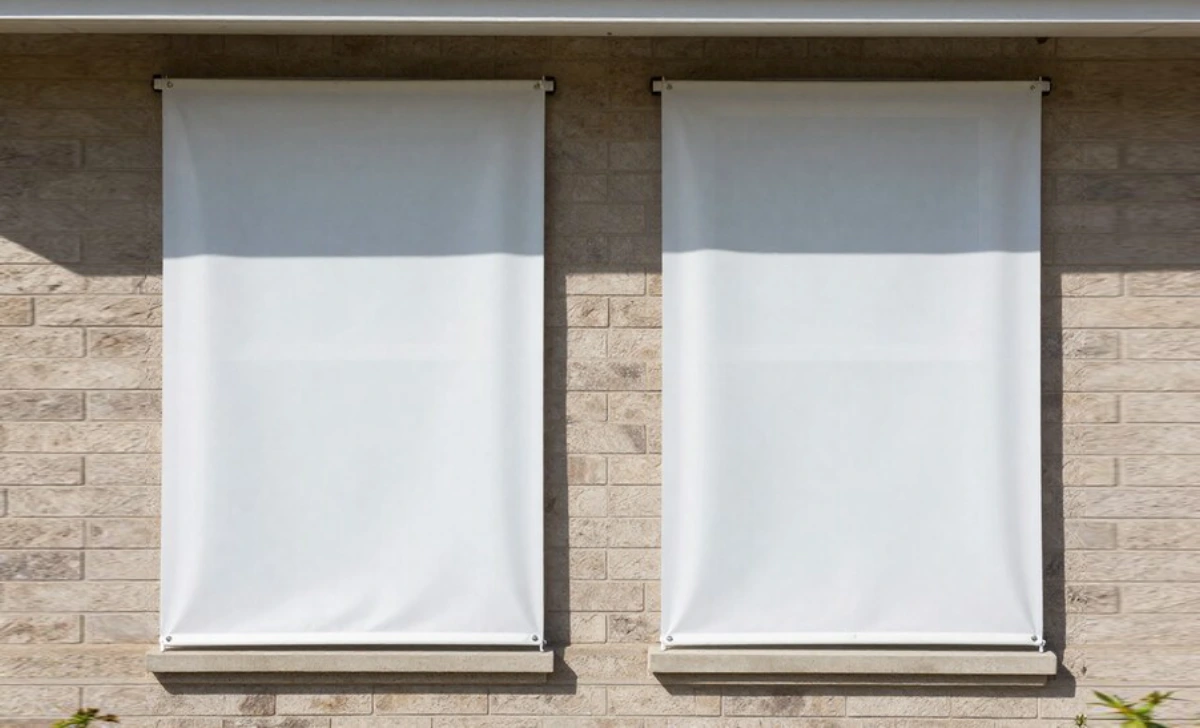
Not all window wells are equal. Egress wells require special considerations.
Egress window wells must have a horizontal area of at least 9 square feet, with a minimum dimension of 36 inches. These larger openings serve as emergency exits.
Egress covers must open quickly from inside without tools or special knowledge. Look for quick-release mechanisms that unlatch with simple upward pressure.
Never place heavy objects on egress covers. Keep the area clear for emergency access. Some insurance companies require egress covers as safety measures.
Standard window wells are smaller and don’t need emergency exit features. You have more flexibility with locking mechanisms and permanent mounting.
Installation Best Practices
Proper installation prevents problems and ensures safety.
Prepare the Surface: Clean the well rim thoroughly. Remove rust, dirt, and old caulking. The cover needs a flat, stable mounting surface.
Use Quality Hardware: Stainless steel screws and anchors resist rust better than standard hardware. Don’t skimp on fasteners—they keep your cover secure.
Seal Properly: Apply weatherproof sealant around the cover edges. This prevents water infiltration and extends your cover’s life.
Test Functionality: After installation, test the cover from inside your basement. Ensure you can lift it with reasonable force. Practice emergency exit procedures with family members.
Secure Against Wind: Wind can lift poorly secured covers. Use all provided mounting points. Consider adding extra fasteners in high-wind areas.
Maintain Clearance: Keep garden hoses, potted plants, and tools off window well covers. These items block emergency access and add unnecessary weight.
Maintenance Requirements
Regular maintenance keeps your covers functioning properly.
Seasonal Cleaning: Remove leaves, dirt, and debris quarterly. Spray covers with a hose to remove grime. Use mild soap for stubborn stains—avoid harsh chemicals that damage plastic.
Winter Care: Clear snow and ice from covers. It’s the homeowner’s responsibility to ensure covers aren’t frozen shut. Ice buildup prevents emergency egress and adds stress to the cover material.
Inspect Fasteners: Check mounting hardware twice yearly. Tighten loose screws. Replace corroded fasteners immediately.
Check Seals: Look for gaps between the cover and the well rim. Reseal as needed to maintain water resistance.
Test Functionality: Open covers from inside annually. Ensure latches work smoothly. Oil moving parts if necessary.
Common Window Well Cover Problems
Recognize these issues early to prevent bigger problems.
Cover Bowing: Cheap covers sag under snow weight or age. This creates water collection points and reduces structural integrity. Replace sagging covers before they crack.
Seal Failure: Worn weatherstripping allows water entry. You’ll notice dampness in your basement or water stains on walls near window wells. Reseal or replace the cover.
Cracked Material: UV exposure and temperature cycling cause cracks in low-quality plastic. Small cracks grow rapidly. Replace cracked covers immediately—they can’t support weight safely.
Corroded Hardware: Rust weakens mounting points. Corroded screws strip easily during removal. Replace rusted hardware before it fails.
Difficulty Opening: Covers that stick or resist opening from inside create life safety hazards. Address this immediately by cleaning tracks, lubricating hinges, or adjusting latches.
Safety Standards You Should Know
Building codes exist for your protection.
Egress window wells in habitable basement spaces aren’t optional—they’re required by the International Residential Code. Your jurisdiction may have additional requirements.
Code-compliant covers support minimum live loads and operate easily from inside. Some areas restrict certain cover styles near emergency exits.
Check with your local building department before purchasing covers. Verify any required permits for installation. Non-compliant covers can cause inspection failures and insurance claim denials.
Alternative Solutions
Sometimes standard covers aren’t the best answer.
Window Well Domes: These arched covers shed snow and debris better than flat designs. They work well in heavy snow areas but cost more and reduce natural light.
Atrium Covers: Large, walk-in covers create an outdoor space around the basement doors. They cost $1,000+ but add functionality and curb appeal.
Grate and Cover Combos: Installing a metal grate beneath a polycarbonate cover provides maximum strength and complete debris protection. This dual-layer system costs more but offers the best overall performance.
Final Thoughts
Window well covers protect your home, family, and pets. The initial investment prevents expensive water damage repairs and tragic accidents.
Choose materials that match your climate and traffic patterns. Don’t compromise on safety features to save $50. Poor-quality covers fail when you need them most.
Measure carefully, install properly, and maintain regularly. Your covers will provide decades of reliable protection.
Start by measuring your window wells today. Get quotes from at least three suppliers. Compare material quality, weight ratings, and warranty terms before making your final decision.
FAQs
Do I need covers on all my window wells?
Yes, cover every window well around your home. Each exposed well presents the same risks—falls, flooding, and pest entry. Uncovered wells near walkways or play areas pose the greatest danger, but all wells benefit from protection.
Can I walk on my window well cover?
Only if the cover is rated for that weight. Check the manufacturer’s specifications. Most polycarbonate covers rated for 250+ pounds support adult weight safely. Basic plastic covers cannot support people and will crack under foot traffic.
How long do window well covers last?
Quality polycarbonate covers last 15-20 years. Basic plastic covers need replacement every 5-10 years. Metal covers last 20+ years with proper maintenance. UV exposure, extreme temperatures, and heavy snow loads shorten lifespan.
Will the covers block the light from my basement?
Clear polycarbonate covers transmit 85-90% of natural light. Metal grates reduce light more significantly. If basement brightness concerns you, choose transparent materials over metal. Tinted covers reduce light transmission but may lower basement temperatures in hot climates.
Can I install window well covers myself?
Most homeowners can install covers with basic tools—a drill, a level, and measuring tape. Standard installations take 30-60 minutes per cover. Complex installations requiring structural modifications need professional help. Always follow manufacturer instructions and local building codes.