Sqrwomensrestroom: Safe, Modern Women’s Restroom Design
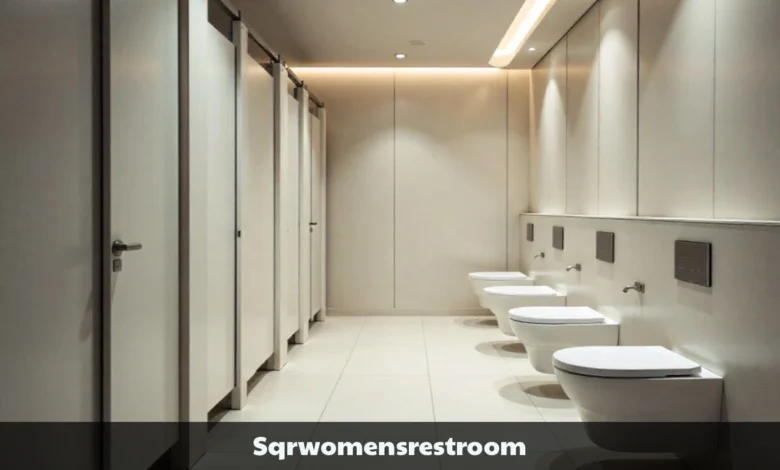
Sqrwomensrestroom combines “sqr” (square/secure) with “women’s restroom” to describe next-generation public facilities. These spaces prioritize safety, hygiene, privacy, and accessibility through smart technology, floor-to-ceiling partitions, touchless fixtures, and inclusive design—transforming basic facilities into dignified, comfortable spaces for all women.
Walk into most public women’s restrooms, and you’ll encounter the same frustrations: long lines, visible gaps in stall doors, questionable cleanliness, and layouts that ignore basic comfort. Women spend an estimated 2-3 times longer in restrooms than men, yet facilities rarely reflect this reality.
Sqrwomensrestroom represents a shift in how we design and maintain women’s public facilities. This isn’t another architectural buzzword—it’s a practical framework addressing real problems women face daily.
What Sqrwomensrestroom Means
The term breaks down into three components:
- SQR: Abbreviation for “square” (physical location like plazas or public squares), “secure” (safety-focused), and “smart quality restroom” (technology-enabled)
- Women’s: Gender-specific designation recognizing unique needs
- Restroom: Beyond basic function to complete the experience
Together, Sqrwomensrestroom describes women’s facilities in public spaces that integrate privacy, safety, cleanliness, accessibility, and digital systems into one cohesive design.
Think of it as both a location identifier in digital mapping systems and a design philosophy for modern restroom infrastructure.
Why Women’s Restrooms Need Rethinking
Traditional facilities fail women in measurable ways:
Privacy violations: Standard American stall designs feature 12-inch gaps at the bottom, 6-inch gaps at the sides, and poor door coverage. You can make eye contact with strangers while using the toilet.
Safety concerns: Poor lighting, hidden corners, and inadequate security create vulnerability. Women often feel unsafe in public restrooms due to poor design and a lack of monitoring.
Hygiene gaps: High-touch surfaces, inadequate ventilation, and inconsistent cleaning spread illness and discomfort.
Accessibility failures: Narrow doorways, awkward layouts, and missing amenities exclude pregnant women, mothers with children, and people with disabilities.
Insufficient capacity: Women’s restrooms are consistently undersized for actual usage patterns, creating unnecessary wait times.
Women often face longer waiting times due to inadequate stall numbers and inefficient layouts.
Core Design Principles
Sqrwomensrestroom facilities follow specific guidelines:
Privacy That Actually Works
Floor-to-ceiling partitions eliminate gaps and reduce noise transmission. Stalls function more like private rooms than exposed cubicles. Secure locks with occupancy indicators show availability without compromising security.
Some designs incorporate:
- Full-height solid doors (no visibility)
- Sound-dampening materials between stalls
- Entry vestibules prevent direct sightlines
- Emergency override systems for staff intervention
Smart Hygiene Technology
Touchless systems reduce surface contact and pathogen spread:
- Motion-activated faucets and soap dispensers
- Automatic flush valves
- Sensor-based lighting
- Hands-free waste disposal
- UV sterilization in high-use areas
Touchless fixtures and frequent cleaning protocols make SQR restrooms healthier for everyone.
Digital sensors alert maintenance staff when supplies run low or when cleaning is needed, preventing the “out of order” frustration.
Universal Accessibility
Sqrwomensrestroom design accommodates diverse users:
- Wheelchair-accessible stalls with a proper turning radius
- Baby-changing stations in multiple locations
- Support rails are positioned correctly
- Lowered fixtures and controls
- Assistance stalls with extra space
- Braille signage and tactile wayfinding
Safety Integration
Multiple security layers:
- Well-lit entry and interior spaces
- Emergency call buttons in stalls
- Monitored entry systems
- Clear exit paths
- Surveillance in public areas (not stalls)
- Direct communication to security
Efficient Layout Design
A good restroom design accounts for ingress and egress patterns to avoid congestion.
Smart layouts include:
- Wide circulation paths (minimum 1.2m)
- Separate zones for sinks, stalls, and amenities
- Entry buffer preventing direct view
- Adequate mirror and counter space
- Logical flow reduces backtracking
Digital Integration and Smart Systems
Modern Sqrwomensrestroom facilities leverage technology:
Real-time occupancy tracking: Apps show availability, wait times, and nearest facilities. Users avoid overcrowded restrooms and plan visits efficiently.
Maintenance automation: IoT sensors monitor:
- Water usage and leak detection
- Air quality and ventilation
- Supply levels (soap, paper, sanitizer)
- Equipment function
- Cleaning schedules and completion
Usage analytics: Facility managers track peak hours, identify bottlenecks, and optimize cleaning schedules based on actual patterns.
Energy efficiency: Smart lighting adjusts to occupancy. Water-saving fixtures reduce consumption. Heat recovery ventilation minimizes waste.
Where Sqrwomensrestroom Makes Impact
Transportation Hubs
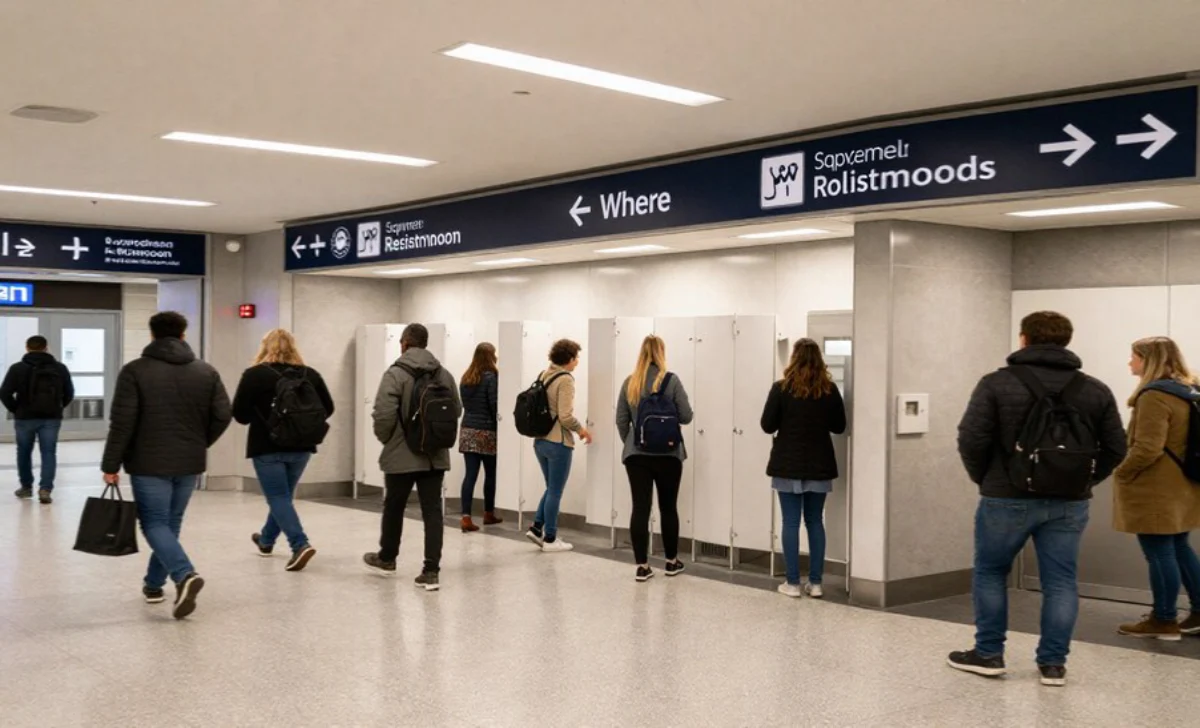
Airports, train stations, and bus terminals serve millions with varying needs. Airports and universities are leading the adoption of Sqrwomensrestroom principles.
Quality restrooms affect traveler experience, especially for:
- Families with young children
- Pregnant travelers
- People with medical conditions
- Those managing long journeys
Retail and Commercial Spaces
Shopping centers recognize that comfortable, clean restrooms keep customers in the building longer, directly impacting sales.
Malls investing in better facilities see:
- Increased dwell time
- Higher customer satisfaction scores
- Reduced complaints
- Competitive differentiation
Workplace Environments
Corporate offices increasingly view quality restrooms as amenities that improve employee satisfaction and retention. The cost of upgrading facilities often proves lower than the expense of recruiting replacements for dissatisfied workers.
Educational Institutions
Universities and schools must serve diverse populations throughout the day. Sqrwomensrestroom design addresses student safety concerns and accessibility requirements.
Public Parks and Recreation
Outdoor facilities historically neglect quality standards. Modern park restrooms incorporating Sqrwomensrestroom principles encourage outdoor activity and community use.
Implementation Strategies
Organizations adopting Sqrwomensrestroom design can phase changes:
Assessment Phase: Survey current users about pain points. Identify privacy, cleanliness, and accessibility gaps. Measure usage patterns to right-size capacity.
Priority Upgrades: Focus first on critical improvements:
- Enhanced privacy (partition height, door gaps)
- Touchless fixtures
- Improved ventilation
- Accessibility compliance
Technology Integration: Add sensors and monitoring systems. Connect to facility management platforms. Implement occupancy tracking.
Staff Training: Ensure maintenance teams understand smart systems. Establish cleaning protocols. Create response procedures for emergencies.
Continuous Improvement: Collect user feedback. Monitor performance metrics. Adjust based on real usage data.
Overcoming Common Challenges
Budget constraints: Use cost-efficient materials that approximate the look and function of more expensive finishes. Seek grants or institutional funding for inclusive upgrades.
Start with high-impact, lower-cost changes before major renovations.
Retrofit limitations: Existing plumbing and structure constrain options. Using modular partitions, retrofit privacy enclosures, or reconfigure stall layouts.
Maintenance complexity: More technology means more potential failure points. Plan for redundancy, remote diagnostics, and easy component access.
Cultural resistance: Some regions face pushback on innovation in women’s facilities. Pilot small implementations, collect data, and demonstrate measurable improvements.
Future Directions
Emerging trends shaping Sqrwomensrestroom evolution:
AI-powered maintenance: Predictive algorithms optimize cleaning schedules and identify equipment issues before failure.
Biometric security: Touchless entry systems using facial recognition or mobile credentials enhance safety without physical contact.
Global mapping: Apps helping women locate safe, clean facilities anywhere they travel.
Advanced materials: Self-cleaning surfaces, antimicrobial coatings, and nano-technology reducing maintenance needs.
Inclusive expansion: Designs accommodating non-binary users while maintaining women-specific spaces.
What You Can Do
If you’re a facility manager:
- Audit current restrooms against Sqrwomensrestroom standards
- Survey users about priority improvements
- Research modular upgrade options
- Calculate ROI on better facilities
If you’re a user:
- Provide feedback to facility managers
- Support businesses prioritizing quality restrooms
- Use apps to track clean facilities
- Report maintenance issues promptly
Final Thoughts
Sqrwomensrestroom represents overdue recognition that women deserve better public facilities. The framework addresses longstanding failures through proven design principles, smart technology, and user-centered planning.
From digital mapping codes to physical infrastructure, Sqrwomensrestroom bridges technical systems and human dignity. As adoption grows, women’s experiences in public spaces improve—not through luxury, but through basic respect built into design.
Quality restrooms aren’t frivolous upgrades. They’re infrastructure investments affecting health, safety, comfort, and equality in public life.
FAQs About Sqrwomensrestroom
What makes Sqrwomensrestroom different from regular women’s restrooms?
Sqrwomensrestroom facilities integrate floor-to-ceiling privacy, touchless hygiene technology, universal accessibility, safety features, and smart monitoring systems—addressing specific failures in traditional designs.
How do touchless systems work in Sqrwomensrestroom facilities?
Motion sensors detect presence and automatically activate faucets, soap dispensers, flush valves, lighting, and doors—reducing surface contact and pathogen transmission while accommodating users with limited mobility.
Are Sqrwomensrestroom restroom designs more expensive to build?
Initial costs run higher for smart technology and quality materials, but long-term savings come from reduced maintenance, efficient resource use, and improved user satisfaction. Phased implementation controls budget impact.
Can existing restrooms be upgraded to Sqrwomensrestroom standards?
Yes. Modular partitions, retrofit sensors, improved ventilation, and accessibility modifications adapt existing spaces without complete reconstruction—prioritizing high-impact changes first.
Where can I find Sqrwomensrestroom facilities?
Major airports, universities, shopping centers, and modern office buildings increasingly adopt these principles. Apps tracking restroom quality help locate well-designed facilities in your area.
Who benefits from Sqrwomensrestroom design?
All women—especially pregnant women, mothers with children, people with disabilities, those with medical conditions, and anyone seeking safe, clean, private facilities in public spaces.