Gazumping: What It Is and How to Protect Yourself
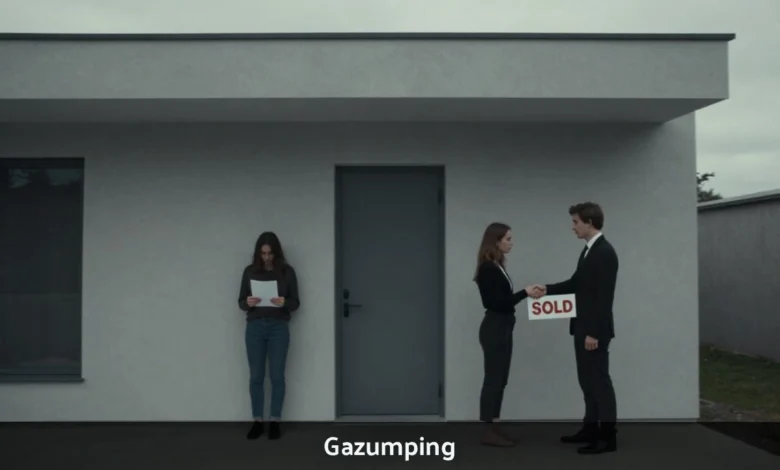
Gazumping occurs when a seller accepts a higher offer from another buyer after already agreeing to sell to you, pushing you out before contracts are exchanged. It’s legal in England and Wales but not in Scotland, and 37% of UK homebuyers have experienced it since 2014.
You found the perfect home. Your offer was accepted. You started paying for surveys and legal fees. Then the seller backs out to take a higher offer from someone else.
This is gazumping, and it’s on the rise.
Recent data shows 37% of UK homebuyers have been gazumped at least once since 2014. That’s a 6% jump from just two years ago. You could lose thousands in wasted fees and months of searching for nothing.
Here’s what you need to know to protect yourself.
What Gazumping Really Means
Gazumping happens when a seller accepts your offer on a property, then later accepts a higher offer from another buyer before contracts are exchanged. You lose the property despite investing time, money, and effort into the purchase.
The term mainly applies in England and Wales, where verbal agreements aren’t legally binding. You could be weeks into the process, have paid for surveys, arranged your mortgage, and hired a solicitor. None of it matters until you exchange contracts.
Properties marked as “Sold Subject to Contract” (SSTC) remain vulnerable. This label means an offer was accepted, but the sale isn’t final. Other buyers can still make offers, and estate agents must legally pass them to the seller.
Is Gazumping Legal?
Yes, gazumping is legal in England, Wales, and Northern Ireland.
Until you exchange contracts, which typically happens 8 to 12 weeks after your offer is accepted, either party can walk away. The seller can accept a higher offer. You can withdraw. No legal consequences apply.
This is different from Scotland, where the system prevents gazumping. Once a seller accepts an offer in Scotland, both parties are legally bound to complete the sale.
The UK property market’s long transaction times create the perfect conditions for gazumping. Data from 2024 shows the average time from solicitor instruction to completion was around 160 days, over five months. The longer this period lasts, the more opportunity exists for rival bidders to appear.
Why Gazumping Happens
Sellers gazump buyers for three main reasons.
Higher Offers Tempt Sellers
When property prices rise, sellers want to get as much as possible. A buyer offering £10,000 or £20,000 more becomes hard to resist, especially in competitive markets.
Delays Create Opportunities
The longer your purchase takes, the more vulnerable you are. If you’re slow to arrange your mortgage, complete your survey, or sell your current property, the seller may lose confidence. A faster buyer with a better offer becomes more attractive.
Market Competition Drives Bidding
In hot markets like London, gazumping reached levels where over 60% of sales involved the practice during boom times. When demand exceeds supply, buyers compete aggressively. Sellers know other interested parties exist and may entertain new offers even after accepting yours.
Estate agents must pass all offers to sellers until contracts exchange. This legal obligation means your seller will hear about every competing bid.
The Real Cost of Being Gazumped
Gazumping isn’t just disappointing. It’s expensive.
You lose money on:
- Survey fees: £400 to £1,000
- Solicitor fees for work already done: £800 or more
- Mortgage arrangement fees: £1,000+
- Valuation costs
Those who claimed home buyers’ protection insurance received an average of £975 in 2023/24. That gives you an idea of typical losses.
You also waste time. Starting over means finding another property, going through viewings again, and potentially losing months. If you’re in a chain, gazumping can collapse your entire transaction, including the property you’re trying to sell.
The emotional toll matters too. You might have mentally moved in, planned renovations, or told friends and family about your new home. Losing it feels devastating.
Which Buyers Get Gazumped Most Often
Some 61% of those aged between 18 and 24 revealed they had been gazumped, far higher than any other age group. Young buyers face the highest risk.
Why? They often:
- Take longer to secure mortgages as first-time buyers
- Have less experience navigating the process
- Compete in high-demand areas with limited budgets
- Face more scrutiny from sellers about their financial position
Interestingly, young buyers also gazump others more frequently. Half of 18 to 24-year-olds admitted to gazumping a rival buyer by coming in with a higher bid on a property where the seller had already accepted another offer. A competitive precedent is being set among younger homebuyers.
Where Gazumping Happens Most
Gazumping rates vary across the UK.
The West Midlands had the highest proportion of gazumped buyers in 2024, fractionally ahead of London, where 53% of buyers said they were gazumped. This was actually down from 62% in London two years earlier.
Other high-risk areas include:
- North West England (43% of buyers gazumped)
- South East England (rising rates between 2022 and 2024)
- East Midlands (increasing prevalence)
Even areas traditionally considered lower risk saw gazumping rates rise. The West Midlands jumped from 32% in 2022 to 53% in 2024. Gazumping is now a UK-wide issue, not just a London problem.
How to Avoid Getting Gazumped
You can’t completely prevent gazumping, but you can reduce your risk significantly.
Get a Mortgage Agreement in Principle Fast
Before you even view properties, get your mortgage agreement in principle. This shows sellers you’re serious and financially capable. It speeds up the process once your offer is accepted.
Delays in mortgage approval leave you vulnerable. Every extra week gives rival buyers time to swoop in.
Ask the Seller to Remove the Listing
Once your offer is accepted, request that the property be taken off the market immediately. No more online listings. No more viewings. No more opportunities for competing offers.
Some sellers resist this. They want backup options in case your purchase falls through. Offer something in return: commit to exchanging contracts within a specific timeframe, or arrange your survey within days of the offer acceptance.
Get confirmation in writing that the property is off the market.
Move at Maximum Speed
Exchange of contracts makes the sale legally binding. Get there as fast as possible.
Keep in constant contact with your solicitor. Respond to requests for information immediately. Book your survey within days, not weeks. Chase your mortgage lender. Don’t let your case sit idle.
The faster you move, the less time exists for gazumping to occur.
Build a Relationship with the Seller
If possible, communicate directly with the seller. Let them know you love the property. Explain why you’re a reliable buyer. Share updates on your progress.
Sellers who know you and trust you are less likely to gazump you for a slightly higher offer. The personal connection matters.
Consider a Lock-Out Agreement
A lock-out agreement (also called an exclusivity agreement) is a contract between you and the seller. For a set period, usually two to four weeks, the seller agrees not to accept offers from anyone else. They give you exclusive rights to buy the property.
Both parties must sign it. You’ll need a solicitor to draft it, which costs money. Some sellers charge a fee for agreeing to one.
Lock-out agreements aren’t foolproof. If the seller breaches it, you could sue for damages, but this takes time and money. Still, they provide more protection than a verbal agreement alone.
Get Home Buyers Protection Insurance
This insurance specifically covers the costs you lose if gazumped. Policies start at just £74 and can reimburse you for survey fees, legal costs, and mortgage arrangement fees.
You can’t prevent the seller from accepting another offer, but you can protect your wallet. The insurance pays out if the purchase falls through due to gazumping or the seller changing their mind.
It’s a small upfront cost that could save you over £1,000 if the worst happens.
Line Up Your Solicitor Early
Don’t wait until your offer is accepted to find a solicitor. Have one ready to start work immediately. Delays in legal work create opportunities for gazumping.
Choose a solicitor who specializes in conveyancing and has a reputation for working quickly. Ask about their average completion times.
What to Do If You’re Gazumped
If another buyer makes a higher offer, don’t panic immediately.
Consider Your Maximum Budget
Review your finances. Can you afford to match or beat the new offer without overstretching? Don’t get swept up in the moment and bid more than you can comfortably afford.
Remember, you could be gazumped again even if you raise your offer. Some sellers or buyers play this game repeatedly.
Sell Yourself to the Seller
Contact the seller directly if possible. Remind them why you’re a strong buyer:
- You have a mortgage agreement in principle
- You’re chain-free, or your sale is progressing well
- You’ve moved quickly and shown commitment
- You’re a reliable, trustworthy buyer
Emphasize that accepting the higher offer means starting over. New buyers could have problems with their mortgage, survey, or chain. These delays might cost the seller more than the extra money they’d gain.
Ask for Proof of the Competing Offer
Some estate agents fabricate higher offers to pressure you into bidding more. This is unethical but it happens.
Ask to see written proof of the competing offer. Legitimate estate agents should be able to provide this. If they can’t or won’t, the offer might not exist.
Walk Away If Necessary
Sometimes, walking away is the right choice. If the seller is willing to gazump you once, they might do it again. If the price is pushed beyond what you can afford, don’t stretch yourself financially.
Other properties exist. It doesn’t feel that way when you lose your dream home, but you will find something else.
Gazundering: The Buyer’s Version
Gazundering is the opposite of gazumping. It’s when you reduce your offer at the last minute, just before the exchange of contracts.
This typically happens when:
- Your survey reveals serious problems with the property
- The market suddenly drops
- You face unexpected financial difficulties
- You want to pressure the seller into accepting less
Some 26% of homebuyers have gazundered a seller by lowering their offer late in the process. Like gazumping, it’s legal but unethical.
Sellers face a difficult choice. Accept the lower offer and complete the sale, or refuse and start over, potentially losing their onward purchase.
If you’re gazundered, assess whether the buyer’s reasons are legitimate. A survey finding structural problems justifies a price reduction. A buyer simply trying to save money doesn’t.
Consider a counteroffer. Meet somewhere in the middle if you still want to complete the sale.
Will Gazumping Ever Be Banned?
Almost eight in ten homebuyers (78%) would like to see gazumping outlawed. Public support for banning the practice is strong.
The government’s Levelling Up Committee launched an inquiry into improving home buying and selling in England. This included examining gazumping and potential remedies.
However, no legislation has been passed yet. Until the system changes, gazumping remains a risk for every property buyer in England, Wales, and Northern Ireland.
Final Thoughts
Gazumping causes financial losses, emotional stress, and wasted time. With rates rising, especially among young buyers, protection matters more than ever.
You can’t eliminate the risk, but you can minimize it. Get your finances ready before you start looking. Move fast once your offer is accepted. Build relationships with sellers. Consider insurance and lock-out agreements.
Most importantly, don’t let gazumping discourage you from buying. Millions of transactions are completed successfully every year. Stay prepared, stay informed, and you’ll get there.
FAQs About Gazumping
Can I sue a seller for gazumping me?
No. Until contracts are exchanged, no legal agreement exists. The seller can accept any offer they want without legal consequences.
Does gazumping happen in Scotland?
Rarely. Scotland’s property system makes gazumping nearly impossible. Once a seller accepts your offer, both parties are legally bound to complete the sale.
How long does it take to exchange contracts?
Typically, 8 to 12 weeks after your offer is accepted. During this time, surveys are completed, legal searches are done, and mortgages are finalized.
Can estate agents encourage gazumping?
Estate agents must pass all offers to sellers, which can lead to gazumping. However, they cannot actively encourage it or create false competing offers to drive up prices.
What happens to my deposit if I’m gazumped?
You don’t pay a deposit until contracts are exchanged. If you’re gazumped before exchange, you haven’t paid a deposit yet. You only lose money spent on surveys, legal fees, and mortgage costs.