Luxury Italian Villas: Your Complete Guide to Renting Italy’s Finest Properties
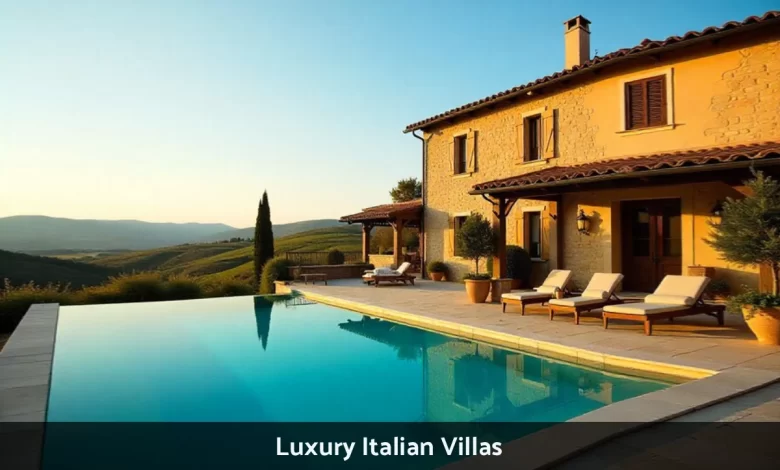
Luxury Italian villas offer private pools, chef services, and exclusive locations across Tuscany, the Amalfi Coast, Lake Como, and Sicily. These properties range from restored farmhouses to clifftop estates, with villas making up 53.2% of foreign luxury searches in Italy. Prices start at €5,000 per week for smaller villas and reach €50,000+ for fully staffed estates. Book 9-12 months ahead for the peak summer season.
Italy’s luxury villa market has grown 7-10% in 2024, driven by international buyers seeking authentic Italian experiences beyond hotel stays. Whether you’re planning a family reunion in Tuscany or a romantic escape to the Amalfi Coast, finding the right villa transforms your trip from ordinary to extraordinary.
What Makes Luxury Italian Villas Worth the Investment
Renting a luxury villa in Italy costs more than booking a hotel, but the value proposition tells a different story. You get exclusive access to historic properties that hotels can’t match.
Luxury property demand in Italy has grown by 7–10% in 2024, with wealthy travelers prioritizing space and privacy over traditional accommodations. A villa gives you an entire estate, often with staff, private pools, and grounds measured in acres rather than square feet.
The numbers back this up. Villas make up over half of foreign luxury property searches (about 53.2%), far outpacing apartments. American buyers now account for nearly 30% of foreign inquiries, with Europeans following closely.
Privacy matters more than ever. You control your schedule, choose when to eat, and invite a private chef without coordinating with hotel management. Your children can play in gardens designed for centuries of family gatherings. Your group can gather for meals without restaurant reservations or dress codes.
Where to Find the Best Luxury Italian Villas
Italy offers distinct villa experiences across its regions. Each area delivers different architecture, landscapes, and cultural access.
Tuscany: Rolling Hills and Wine Country
Tuscany dominates the luxury villa market for good reason. The region combines restored farmhouses with modern amenities, set against vineyards and olive groves. Between 2023 and 2024, the greatest growth was recorded in Gaiole in Chianti (+4%) and Greve in Chianti (+3.5%).
You’ll find stone villas with terracotta roofs, exposed wooden beams, and sprawling gardens. Florence sits an hour away, and Siena is even closer. Wine tastings happen at your doorstep. Properties here range from 4-bedroom farmhouses to 16-bedroom estates with helipads.
Amalfi Coast: Clifftop Views and Mediterranean Glamour
The Amalfi Coast delivers drama. Villas perch on cliffs hundreds of feet above turquoise water. Positano, Ravello, and Capri host some of Italy’s most exclusive properties.
These villas feature terraced gardens, infinity pools, and direct beach access through private paths. Expect colorful majolica tiles, outdoor dining spaces with views that stretch to the horizon, and interiors that blend coastal elegance with modern comfort. This region suits couples and small groups more than large families.
Lake Como: Alpine Elegance with Hollywood Appeal
Lake Como attracts celebrities and business leaders seeking Alpine serenity. Properties around Lake Como comprised roughly 5% of foreign luxury searches, with prime prices jumping nearly 20% in 2023.
Waterfront villas here offer boat docks, mountain views, and proximity to Switzerland. Villages like Bellagio and Varenna provide charming restaurants and shops within walking distance. The architecture leans toward elegant 18th and 19th-century estates with formal gardens, rather than rustic farmhouses.
Sicily and Puglia: Authentic Southern Italian Living
Sicily and Puglia offer something competitors often overlook: authentic southern Italian experiences at lower prices than northern regions. You’ll find unique architecture like Apulian trulli (cone-roofed stone houses) and Sicilian villas with volcanic stone walls from Mount Etna.
These regions deliver excellent value. You get private pools, modern kitchens, and staff services at 30-40% less than comparable Tuscan properties. The food culture here runs deeper, with local markets and family-run restaurants that haven’t yet catered to international tourism.
Essential Amenities in Modern Luxury Villas
Italian villas have moved beyond rustic charm. Today’s properties balance historic character with amenities that justify premium pricing.
Private Pools and Spa Facilities
Nearly every luxury villa includes a private pool. The number of residential properties in Italy with swimming pools is expected to increase by 10% by 2025. You’ll find infinity pools, heated options for shoulder season, and properties with both indoor and outdoor pools.
High-end villas add spa facilities: saunas, massage rooms, jacuzzis, and workout spaces. Some properties include dedicated spa pavilions separate from the main house, with professional treatment tables and therapists available on call.
Chef Services and Gourmet Kitchens
Professional-grade kitchens come standard, but most guests hire private chefs. Italian chefs shop at local markets each morning, then prepare multi-course meals using regional recipes passed through generations.
Chef services typically cost €150-300 per day, plus ingredients. You get breakfast, lunch, and dinner, plus guidance on Italian cooking techniques if you’re interested. Wine pairings come from local vineyards, often with direct relationships to the villa owner.
Concierge and Staff Services
Tuscany villas from Tuscan Dream offer amenities including private swimming pools, expansive gardens, panoramic views, state-of-the-art kitchens, and services such as private chefs and personalized tours. Daily housekeeping, property managers, and 24/7 concierges handle everything from restaurant reservations to helicopter tours.
Fully staffed villas assign dedicated teams: housekeepers, groundskeepers, chefs, and drivers. They restock kitchens, manage maintenance, coordinate activities, and solve problems before you notice them. This level of service separates luxury villas from standard vacation rentals.
Smart Booking Strategies for 2025
The luxury villa market operates differently from hotels. Understanding booking timelines and pricing saves thousands of dollars.
When to Book Your Villa
Book 9-12 months ahead for the summer season (June through September). Peak season villas, especially in Tuscany and the Amalfi Coast, fill up by January for the following summer.
Shoulder season (April, May, October) offers better availability and prices 30-40% lower than peak summer. The weather still works for pool days, restaurants remain open, and you avoid crowds at cultural sites.
Winter bookings (November through March) provide the deepest discounts. Properties in southern regions like Sicily stay pleasant, with temperatures in the 60s. Northern villas often close their pools, but indoor amenities and proximity to ski resorts in the Alps create different experiences.
Understanding Pricing Models
Luxury Italian villas typically quote weekly rates, with Saturday-to-Saturday stays during summer. Expect minimum week-long stays in peak season, though some properties accept shorter bookings in shoulder season.
Base rates cover the property itself: bedrooms, common areas, pools, and gardens. Additional costs add up quickly: chef services (€150-300 daily), staff gratuities (10-15% of rental cost), heating in winter (€200-500 weekly), and air conditioning surcharges in some properties.
Security deposits range from €1,500 to €5,000, refunded after checkout inspections. Budget an extra 20-30% beyond the base rate for services and extras that make luxury villas worth booking.
Reading Villa Descriptions Correctly
Villa marketing materials emphasize stunning photos and romantic descriptions. Focus on specific details competitors don’t highlight.
Check bedroom configurations carefully. “Sleeps 12” might mean six bedrooms, or four bedrooms plus sofa beds. Confirm bathroom counts and whether they’re en-suite or shared. Ask about bed sizes, since European doubles differ from American queens.
Location matters more than photos suggest. “Near Florence” could mean a 10-minute drive or 45 minutes on winding roads. Request exact addresses, then map distances to restaurants, grocery stores, and the sites you plan to visit. Many stunning villas sit in isolated locations requiring rental cars for every outing.
Regional Specialties and Cultural Experiences
Each Italian region offers distinct cultural experiences beyond villa amenities. Understanding these helps match locations to your interests.
Tuscany’s Food and Wine Culture
Tuscany delivers wine experiences that justify the region’s premium prices. Your villa likely sits within walking or short driving distance of multiple wineries. Book private tastings at estates like Castello di Ama or Antinori, where winemakers explain their craft while you sample Chianti Classico directly from their cellars.
Cooking classes happen in your villa kitchen or at local cooking schools. You’ll shop at morning markets in Greve or San Gimignano, then learn to make fresh pasta, risotto, and regional sauces under the guidance of Italian nonnas who’ve cooked these dishes for decades.
Truffle season (November through March) brings unique opportunities. Private truffle hunts with trained dogs lead you through forests where these delicacies hide underground. Expect to pay €150-300 per person for guided hunts that include multi-course truffle dinners.
Coastal Activities and Water Sports
Amali Coast and Sardinian villas provide access to Mediterranean waters that hotel guests can’t match. Private boat charters run €800-2,000 per day, depending on boat size and crew.
Your captain navigates to hidden coves, secluded beaches, and sea caves accessible only by water. You’ll anchor for swimming and snorkeling, enjoy lunch at seaside restaurants accessible via boat, and return to your villa’s private beach access or dock.
Water sports include paddleboarding, kayaking, and jet skiing from your villa’s beach. Some properties maintain their own equipment; others arrange rentals through local operators. Scuba diving along Sicily’s coast explores ancient shipwrecks and volcanic rock formations.
Art and Architecture Tours
According to the 2024 Luxury Travel Trends Report, 87% of luxury travelers now expect experiences tailored specifically to their preferences. Villa concierges arrange private museum tours outside public hours. You’ll walk through the Uffizi in Florence or the Vatican museums with art historians, without crowds blocking your view of Botticelli or Michelangelo.
Architecture tours focus on the villa itself. Many luxury properties occupy historic estates: former monasteries, Renaissance palazzos, or noble family residences. Property managers explain the building’s history, show original frescoes, and describe restoration processes that preserved centuries-old details.
Comparing Villa Rentals to Hotels
The luxury villa versus five-star hotel debate depends on your priorities and group size. Neither option automatically wins.
Hotels provide simplicity. You check in, someone else handles everything, and you leave when ready. Concierges solve problems, housekeeping happens daily, and restaurants operate on predictable schedules.
Villas deliver space and control. A group of eight people books four hotel rooms and coordinates breakfast times, or they rent a villa with eight bedrooms where everyone gathers for meals. The per-person cost often favors villas for groups of six or more.
Calculate total costs honestly. That €10,000 per week villa needs €2,000 for chef services, €1,500 for staff, €800 for groceries, and €500 for incidentals. Your true cost reaches €14,800, or €2,114 per night. A five-star hotel might charge €500 per room per night. For three rooms, you’re at €1,500 nightly, substantially less than the villa.
But the villa gives you 8,000 square feet of space, private pools, and privacy that hotels can’t match. The calculation shifts based on group size, desired amenities, and how much you value exclusive access to historic properties.
Common Mistakes When Booking Italian Villas
First-time villa renters make predictable mistakes that diminish their experience. Avoid these issues by learning from others’ errors.
Underestimating Location Challenges
Italian countryside roads wind through hills, often on single lanes without guardrails. That villa, 15 kilometers from Florence, takes 35 minutes to reach, not the 15 minutes you’d expect. Multiple trips daily for restaurants, shopping, or sightseeing become exhausting.
Check realistic driving times using Google Maps at the time of day you’ll travel. Ask villa managers about road conditions. Some stunning properties require navigating unpaved roads or steep driveways that challenge standard rental cars.
Ignoring Summer Heat in Southern Regions
August temperatures in Sicily and Puglia regularly exceed 95°F. Without proper air conditioning, these beautiful villas become uncomfortable. Confirm that bedrooms, not just common areas, include climate control.
Outdoor spaces matter more than interior design during summer. Shaded terraces, covered dining areas, and pool houses provide relief from midday heat. Properties with afternoon shade over pools and outdoor living spaces deliver better experiences than those with all-day sun exposure.
Overlooking Hidden Costs
Villa rental agreements include complex cost structures. Read payment schedules carefully before signing. Many properties require 50% deposits upon booking, final payments 60-90 days before arrival, and security deposits upon checking in.
Damage deposits reach €5,000 for high-end properties. These get refunded 14 days after departure, but tie up significant funds. Credit card holds sometimes substitute for cash deposits, though not all properties accept this arrangement.
Heating, air conditioning, and pool heating often incur surcharges. Budget €200-800 weekly for climate control, depending on season and property size. These costs appear in fine print, then surprise renters at checkout.
Peak Season vs Off-Season Considerations
Timing dramatically affects your villa experience and budget. Understanding seasonal differences helps optimize value.
Summer Season Benefits and Drawbacks
June through August delivers perfect weather for pools and beaches. Everything operates at full capacity: restaurants stay open late, museums extend hours, and cultural events fill calendars. You experience Italy at its liveliest.
But you’ll compete with crowds everywhere. Popular sites like Cinque Terre or Capri overflow with tourists. Restaurant reservations require booking weeks ahead. Prices peak across all services, from villa rates to grocery costs.
Shoulder Season Advantages
April through May and September through October offer the best overall value. Weather remains excellent, with temperatures in the 70s-80s. Pools stay swimmable, outdoor dining continues, and sightseeing happens without summer crowds.
Infinity pools with heating options are essential for the shoulder season, allowing comfortable swimming even as evening temperatures cool. Properties without heated pools limit your enjoyment during these months.
Cultural experiences improve dramatically. Museums offer breathing room, restaurants accommodate walk-ins, and local life becomes more visible as Italian families return from August vacations. Villa rates drop 30-40% compared to summer peaks.
Winter and Holiday Seasons
Winter villa rentals work differently from summer bookings. Many properties, especially in Tuscany and northern regions, close from November through March. Those that remain open target different travelers: remote workers, winter sports enthusiasts visiting nearby Alps, or people seeking holiday celebrations in Italian settings.
Milan – La Scala Opening Night on December 7, 2025, and Vatican City Christmas Eve Mass on December 24, 2025, create unique opportunities for luxury villa bases near these events. You’ll need properties with strong heating systems and indoor entertainment options, since outdoor amenities lose appeal.
Final Thoughts
Luxury Italian villas deliver experiences that hotels can’t match. You gain privacy, space, and authentic cultural immersion that transforms standard vacations into memorable experiences.
The Italy luxury residential real estate market for the rental segment shows the highest projected CAGR at 7% between 2025-2030, indicating growing demand that will likely increase prices. Booking now for 2025-2026 travel locks in current rates before further market growth.
Choose your region based on what matters most: Tuscany for wine and countryside, Amalfi for coastal glamour, Lake Como for alpine elegance, or southern regions for authentic culture at better value. Book early, budget for additional services, and work with villa specialists who vet properties personally.
The investment in a luxury Italian villa pays returns in memories, not just accommodations. You’re renting centuries of history, architectural artistry, and Italian lifestyle that standard travel can’t replicate.
FAQ
What is the average cost of renting a luxury villa in Italy?
Luxury Italian villas range from €5,000 to €50,000+ per week, depending on location, size, and amenities. Tuscany and Amalfi Coast properties command premium prices, while southern regions offer better value. Add 20-30% to base rates for chef services, staff, and extras.
How far in advance should I book a luxury villa in Italy?
Book 9-12 months ahead for the summer season (June-September). Peak properties in Tuscany and the Amalfi Coast fill by January for the following summer. Shoulder season (April-May, September-October) offers better availability with 3-6 months’ notice.
Do luxury Italian villas include staff and chef services?
Most luxury villas include basic housekeeping and property management. Chef services, daily housekeeping, and full staff require additional fees, typically €150-300 daily for chefs plus food costs. Fully staffed villas include these services in base rates but cost significantly more.
Which region offers the best value for luxury villa rentals?
Sicily and Puglia deliver the best value, offering luxury amenities at 30-40% less than Tuscany or the Amalfi Coast. These southern regions provide authentic experiences, excellent food culture, and unique architecture like trulli and volcanic stone villas.
Can you rent luxury Italian villas year-round?
Summer and shoulder seasons (April-October) offer the most options. Many northern properties close from November to March. Southern regions like Sicily maintain year-round operations, though some amenities like pools close during the winter months. Heated pools and strong heating systems enable comfortable winter stays in select properties.