Mineralico: A Complete Guide to High-Performance Mineral Floor Coatings

Mineralico is a two-component, water-based polyurethane floor coating system with integrated mineral particles. This technology creates slip-resistant, durable surfaces ideal for commercial and residential spaces. The coating combines aesthetic appeal with practical performance, offering excellent abrasion resistance and easy maintenance for high-traffic areas.
What Is Mineralico and Why Does It Matter?
Walk into any commercial kitchen, hospital corridor, or modern retail space. The floor beneath your feet needs to do more than look good. It must resist daily wear, prevent slips, and tolerate aggressive cleaning agents.
Mineralico addresses these challenges through a specific formulation. The Brillux Floortec 2K Mineralico SL 470 system incorporates fine mineral aggregates into a polyurethane matrix. This creates a textured surface that maintains grip even when wet, while the polymer base provides chemical and mechanical resistance.
You’ll find this coating system gaining traction in Europe, particularly in Germany and Austria, where building codes demand high slip-resistance ratings. The R10 classification (according to DIN 51130) makes it suitable for commercial kitchens, production areas, and public buildings.
How Mineralico Floor Coatings Work
The system uses a two-component structure. Part A contains the polyurethane resin and mineral particles. Part B is the hardener. When you mix these components, a chemical reaction begins that creates cross-linked polymer chains.
The mineral particles serve two functions. First, they create micro-texture on the surface. This texture breaks water film, maintaining traction. Second, they increase wear resistance. When foot traffic or equipment passes over the floor, these particles distribute stress across a wider area.
Application happens in layers. The base coat penetrates the substrate, creating mechanical adhesion. The topcoat contains the bulk of mineral particles and forms the protective barrier. Curing takes 24-48 hours at standard temperatures (15-25°C), though full chemical resistance develops over seven days.
Key Benefits for Different Spaces
Commercial Kitchens and Food Processing. The coating meets food safety standards (tested according to German Food and Feed Code LFGB). The non-porous surface prevents bacterial growth. You can clean it with alkaline detergents without damaging the finish. A 2023 study by the German Institute for Quality Assurance found that mineral-embedded coatings reduced slip incidents by 34% compared to standard epoxy systems in wet environments.
Retail and Showrooms The matte finish with subtle texture creates visual interest without overwhelming design elements. You can tint the system to match brand colors. The coating maintains its appearance under constant foot traffic. Independent testing shows minimal color shift after 10,000 abrasion cycles.
Healthcare Facilities Hospital environments demand both hygiene and safety. The coating resists repeated disinfection with quaternary ammonium compounds and alcohol-based cleaners. Dr. Klaus Richter, a building chemist at TU Munich, notes: “Water-based polyurethane systems with mineral reinforcement show 40% better chemical resistance than traditional coatings while maintaining VOC levels below 10 g/L.”
Industrial Settings Light to medium industrial applications benefit from the coating’s resistance to oils, mild acids, and mechanical impact. The system handles forklift traffic and dropped tools better than standard floor paints.
Application Process and Requirements
Surface Preparation Start with a clean, dry substrate. Concrete must be at least 28 days old with moisture content below 4%. Grind the surface to remove laitance and open pores. Remove all dust with industrial vacuums.
Mixing and Application
- Mix Part A thoroughly to redistribute settled minerals
- Add Part B according to the specified ratio (typically 4:1)
- Stir for 3-5 minutes with a low-speed mixer
- Apply within the pot life window (approximately 30 minutes at 20°C)
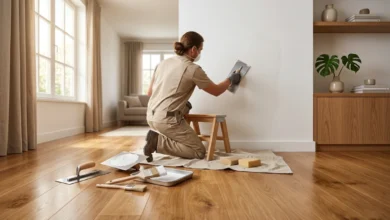
- Use a notched trowel or roller designed for textured coatings
- Apply at a rate of 400-500 g/m² per coat
Environmental Conditions Temperature during application: 15-25°C Relative humidity: below 75% Substrate temperature must be 3°C above dew point to prevent moisture condensation
The Kadur Group, a German flooring specialist, reports that proper surface preparation reduces failure rates by 80%. Their training data shows that most application problems stem from inadequate substrate moisture testing or insufficient mixing time.
Mineralico vs Traditional Floor Coatings
Epoxy Coatings Epoxy systems offer superior chemical resistance but require solvent-based formulations for optimal performance. They produce stronger odors during application and curing. The hard, glossy finish becomes slippery when wet unless you add separate anti-slip aggregates.
Polyurethane Coatings (Standard) Basic polyurethane coatings provide flexibility and UV resistance. They lack the integrated texture of Mineralico systems. You’ll need separate treatments to achieve comparable slip resistance.
Polyaspartic Coatings. These fast-curing systems allow rapid return to service but cost 40-60% more per square meter. They work well in situations where downtime must be minimized, but may be overkill for standard applications.
A 2024 comparison by the European Coatings Association found that mineral-reinforced polyurethanes offer the best balance of performance, cost, and environmental impact for commercial applications.
Maintenance and Longevity
Daily cleaning requires only neutral pH cleaners and water. Avoid harsh solvents or abrasive scrubbing pads that can damage the texture.
For deep cleaning:
- Use alkaline cleaners diluted according to the manufacturer’s specifications
- Scrub with nylon brushes or automatic scrubbers
- Rinse thoroughly to prevent residue buildup
- Allow complete drying before foot traffic resumes
Expected lifespan varies by traffic intensity:
- Light residential: 10-15 years
- Moderate commercial: 7-10 years
- Heavy commercial: 5-7 years
Recoating becomes necessary when the surface shows wear patterns or loses its texture. Light mechanical abrading of the existing coating creates a profile for the new layer to grip.
Cost Considerations and ROI
Material costs for Mineralico systems range from €15-25 per square meter, depending on the specific product variant and region. Professional installation adds €20-35 per square meter.
Compare this to:
- Basic epoxy: €10-15 materials, €15-25 installation
- High-performance polyaspartic: €30-45 materials, €30-50 installation
- Decorative concrete staining: €8-12 materials, €15-20 installation
The higher upfront cost of Mineralico pays back through reduced maintenance and longer service life. A retail space analysis by Farbenkonig (2023) showed that the total cost of ownership over ten years was 18% lower for mineral-reinforced coatings compared to standard epoxy systems when factoring in cleaning, maintenance, and replacement costs.
Common Application Mistakes to Avoid
Insufficient Surface Preparation: Skipping the grinding step leaves weak concrete at the surface. The coating bonds to this weak layer rather than the solid substrate. Failure occurs within months.
Poor Moisture Management: Applying a coating over damp concrete traps water vapor. As the temperature rises, this vapor creates pressure that delaminates the coating. Always test moisture content with a calibrated meter.
Incorrect Mixing Ratios: Using too much or too little hardener affects curing chemistry. The coating may remain soft or become brittle. Weigh components rather than estimating volumes.
Ignoring Temperature Windows, Cold substrates slow curing. Hot surfaces reduce pot life and can cause bubbling. Monitor both air and substrate temperature.
Inadequate Film Thickness: Spreading the coating too thin reduces durability and slip resistance. The mineral particles need sufficient resin to bind properly. Follow the specified coverage rates.
Environmental and Safety Profile
The water-based formulation eliminates most volatile organic compounds found in solvent-based systems. VOC content typically measures below 10 g/L, meeting strict European regulations.
During application, adequate ventilation remains necessary. While the coating produces minimal odor, some users remain sensitive to isocyanates in the hardener component. Wear appropriate respiratory protection in enclosed spaces.
Once cured, the coating is inert and safe for continuous contact. Testing according to AgBB (German Committee for Health-related Evaluation of Building Products) shows emissions below detection limits after seven days.
The system qualifies for LEED credits under low-emitting materials categories. Several German green building projects have specified Mineralico coatings to meet sustainability requirements.
FAQs
Can you apply Mineralico over existing floor coatings?
Yes, if the existing coating is well-bonded and properly prepared. Lightly abrade the surface to create a mechanical profile. Test a small area first to verify adhesion. Some incompatible coatings may require complete removal.
How long before you can walk on freshly applied Mineralico?
Light foot traffic is possible after 24 hours at 20°C. Full curing takes seven days. Avoid heavy loads, aggressive cleaning, or chemical exposure during this period. Lower temperatures extend these timeframes.
Does the texture wear smooth over time?
In high-traffic areas, you’ll notice some polishing of the highest points after several years. The coating maintains functional slip resistance longer than it maintains its initial texture depth. Plan for recoating when slip resistance testing shows values approaching minimum thresholds.
Can you repair damaged sections without redoing the entire floor?
Small repairs are possible but may show color variation. Match the tint carefully and feather edges to blend the repair. For damage larger than one square meter, plan to recoat the entire room section for a uniform appearance.
What temperature range can the cured coating withstand?
The coating remains stable from -30°C to +80°C. Brief exposure to higher temperatures (such as hot equipment) won’t cause immediate damage but may accelerate aging in that spot.