Garden Tips DecoradHouse: 7 Easy Ways to Transform Your Yard
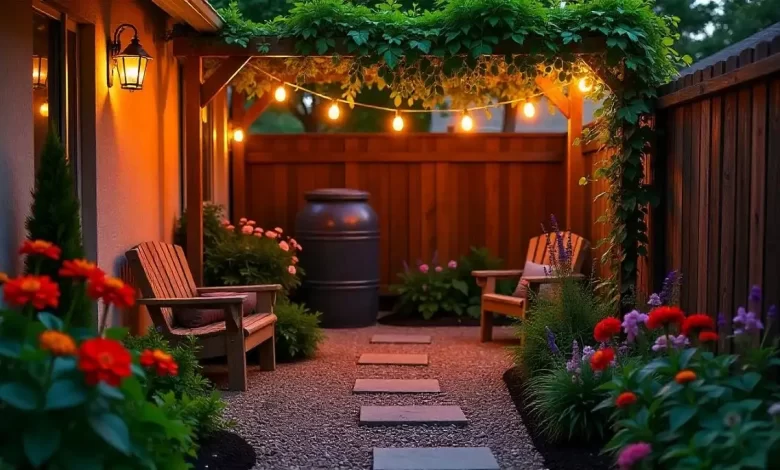
Your yard could be your favorite spot to relax, but it’s stuck looking dull and demanding too much work. Garden Tips DecoradHouse, backed by DecoratorAdvice, offer simple, practical solutions to create a stunning, low-maintenance garden that fits your busy life. From picking the right plants to clever décor, here’s how to make your outdoor space shine without the stress.
What Is a DecoradHouse Garden?
A DecoradHouse garden turns your yard into a space you love, blending beauty with ease. It’s designed for homeowners who want a vibrant garden without endless upkeep. Think colorful flowers, smart layouts, and plants that thrive with minimal effort.
Many homeowners feel lost starting a garden. Garden Tips DecoradHouse, powered by DecoratorAdvice, cut through the confusion with clear advice for American yards. Whether it’s a tiny balcony in Seattle or a big lawn in Florida, these tips make gardening approachable.
Begin by checking your yard’s basics—sunlight, soil, and drainage. Knowing if your soil is sandy or clay-heavy guides you to plants that won’t die. This saves you from buying plants that can’t handle your conditions.
It’s like creating an outdoor living room tailored to you. Want a spot for barbecues or a quiet nook for reading? DecoradHouse helps you plan a garden that feels personal and works for your lifestyle.
A well-planned garden boosts your home’s value too. The USDA says a landscaped yard can increase property worth by 15-20%. It’s about enjoying your space and making it look great.
Why Garden Care Matters
A neglected yard becomes a jungle of weeds and dead plants. Regular care keeps it inviting and saves you from big cleanup jobs. Garden Tips DecoradHouse offer easy tricks to maintain your garden without eating up your weekends.
Healthy soil is the key to strong plants. Poor soil leaves plants weak, no matter how much you water. Test your soil’s pH and add compost to fix nutrient gaps, ensuring your flowers and veggies thrive.
Your yard shapes your home’s first impression. A tidy garden with bright blooms like zinnias makes your house stand out. It’s a small effort that wins compliments from neighbors and guests.
Gardening can feel overwhelming if pests or drought hit. DecoradHouse shares simple fixes, like mulching or choosing native plants, to reduce these problems and keep your yard looking great.
The EPA notes that smart gardening can save 1,300 gallons of water per household yearly. Proper care saves time, money, and the planet, making your garden a win for everyone.
Step-by-Step Garden Setup
Map your yard’s sunlight first. Walk around morning and afternoon to spot sunny and shady areas. This helps you place sun-loving plants like sunflowers in bright spots and hostas in shade.
Test your soil with a kit from a garden store. Most plants thrive at a 6.5 pH. Add lime if it’s too acidic or sulfur if it’s too alkaline. Mix in compost for free nutrients to boost plant health.
Pick plants suited to your climate. In hot Texas, try drought-tolerant lavender. In rainy Oregon, ferns shine. Garden Tips DecoradHouse suggest blending perennials like peonies with annuals for year-round color.
Plan your layout with purpose. Need a kid-friendly play area? Keep an open grassy spot. Want a cozy retreat? Add a bench under a tree. Gravel paths make moving around simple and clean.
Finish with mulch to lock in moisture and block weeds. A 2-3 inch layer of bark or straw saves water and keeps your garden polished. It’s an easy step for a low-maintenance yard.
7 Practical Garden Tips DecoradHouse Loves
Struggling to make your garden pop? These seven Garden Tips DecoradHouse shares, inspired by DecoratorAdvice, solve common problems with easy, actionable steps. They’re designed for busy homeowners who want results fast.
- Use Native Plants for Less Work: Native plants like coneflowers thrive in your climate, needing less water and care. In the Midwest, plant black-eyed Susans to attract butterflies while keeping maintenance low.
- Layer Plants for Depth: Place tall shrubs like lilacs at the back, medium flowers like daisies in the middle, and low groundcovers near paths. This creates a lush, balanced look without overcrowding.
- Install Drip Irrigation for Efficiency: Drip systems deliver water straight to roots, saving up to 50% more water than sprinklers, per the EPA. They’re perfect for busy schedules and dry climates like Arizona.
- Add Vertical Gardening for Small Spaces: Use trellises or wall planters for climbing plants like ivy. This maximizes space on small patios and adds elegance without taking up ground room.
- Compost for Free Fertilizer: Turn kitchen scraps like veggie peels into compost. It enriches soil naturally, cutting costs on store-bought fertilizers and boosting plant growth.
- Incorporate Solar Lights for Ambiance: Solar-powered string lights or path markers create a cozy vibe for evening relaxation. They’re affordable, eco-friendly, and easy to install anywhere.
- Group Plants by Water Needs: Place thirstier plants like ferns together and drought-tolerant ones like lavender elsewhere. This simplifies watering and prevents over or under-watering.
Common Gardening Mistakes to Avoid
Planting too close creates chaos. Crowded plants fight for light and nutrients, leading to weak growth. Check plant tags for spacing—roses need at least two feet to spread out comfortably.
Ignoring soil type is a rookie mistake. Cacti won’t survive wet soil, and ferns hate dry dirt. Test your soil first to pick plants that match your yard’s natural conditions.
Overwatering drowns roots and wastes water. Stick your finger an inch into the soil—if it’s wet, wait. DecoradHouse says this quick check prevents root rot in plants like tomatoes.
Skipping mulch invites weeds and dries out soil. A thin layer of straw or wood chips cuts weeding time in half. It’s an easy fix most new gardeners overlook.
Don’t plant everything at once. Start with a small bed of marigolds or herbs, then expand as you learn. This keeps your garden manageable and builds your confidence.
Tools That Help Your Garden Thrive
A sturdy trowel is essential for planting and weeding. Choose one with a soft grip to save your hands. DecoradHouse recommends keeping it handy for quick garden fixes.
A lightweight hose reel makes watering easy, especially in small yards. Pair it with a soaker hose to deliver water to roots, saving time and reducing water waste.
Soil moisture meters are cheap and smart. They tell you exactly when to water, preventing overwatering. This is a lifesaver for delicate plants like lavender in humid areas.
Quality pruning shears keep shrubs and roses neat. Dull blades tear branches, so sharpen them yearly. DecoradHouse says clean cuts help plants heal faster and look better.
Rain barrels are a must for eco-friendly gardeners. They catch runoff, saving up to 1,300 gallons of water a year, per the EPA. It’s a budget-friendly way to keep your garden green.
Seasonal Tips for a Year-Round Garden
Spring is prep time—clear debris and mix compost into your soil. This gives plants a nutrient boost for strong growth. DecoradHouse advises starting early to beat the summer rush.
Summer heat calls for smart watering. Water early morning to avoid evaporation, especially in dry states like Arizona. Use shade cloth for tender plants like lettuce during heatwaves.
Fall is ideal for planting perennials like lavender. Their roots settle before winter, promising big blooms next year. Rake leaves to prevent mold and keep pests away.
Winter means protecting plants from cold. Mulch around roots to insulate them, especially in places like Minnesota. Gently brush snow off branches to avoid breakage.
Check for pests year-round. Aphids love warm weather, so inspect leaves regularly. A quick spray of neem oil keeps them at bay without harming bees or butterflies.
Eco-Friendly Gardening Made Simple
Composting is a game-changer for any garden. Toss veggie scraps and coffee grounds into a bin for free fertilizer. This enriches soil without chemicals, making plants healthier.
Native plants like coneflowers save water and attract pollinators. They’re built for your climate, needing less care. In California, try native poppies for vibrant, low-maintenance color.
Skip chemical pesticides—they harm bees and soil. Use neem oil or soap sprays for a safe fix. DecoradHouse loves these for keeping gardens friendly to local wildlife.
Rain barrels save money and water. Set one under a downspout to collect runoff. This cuts your water bill and keeps plants hydrated during dry spells.
Recycling adds charm to your garden. Turn old buckets into planters or use broken pots for quirky décor. It’s a fun way to go green and save cash.
Why DecoradHouse Tips Work for You
DecoradHouse garden tips are built for busy homeowners, not just plant experts. They focus on simple, effective ideas like native plants or mulching to save time. Your yard becomes a place to relax, not a chore.
These tips fit any space—tiny urban patios or big rural lawns. You don’t need fancy tools or hours of free time. Small changes, like adding a birdbath, make a big impact fast.
Backed by DecoratorAdvice, DecoradHouse cuts through gardening myths. Their advice is practical, tested, and tailored to American climates, from humid Georgia to dry Nevada.
Start small with one tip, like planting zinnias or setting up a rain barrel. Build from there, and your yard will soon be the envy of the block.
Ready to make your garden pop? Grab a shovel and try one idea today. You’ll love the results without the stress.
FAQs
What plants are easiest for beginners to grow?
Marigolds, zinnias, and lavender are tough and grow well in most US climates. Native plants like black-eyed Susans need minimal care since they’re suited to your area.
How do I know if my soil is good for planting?
Use a pH test kit from a garden store. Aim for a 6.5 pH for most plants. Add compost or lime to fix nutrient or pH issues before planting.
When’s the best time to water my garden?
Water early morning or late evening to reduce evaporation. A soaker hose targets roots directly, saving water and keeping leaves dry to avoid burn.
How can I make a small yard look bigger?
Use trellises or hanging planters for vertical gardening. Light-colored pots and mirrors open up space. Keep plants small, like herbs, to avoid clutter.
What’s the cheapest way to go eco-friendly in my garden?
Compost kitchen scraps for free fertilizer. Use a rain barrel to save 1,300 gallons of water yearly, per the EPA. Native plants cut maintenance costs.