41x72x43: Complete Guide to Dimensions, Conversions, and Applications
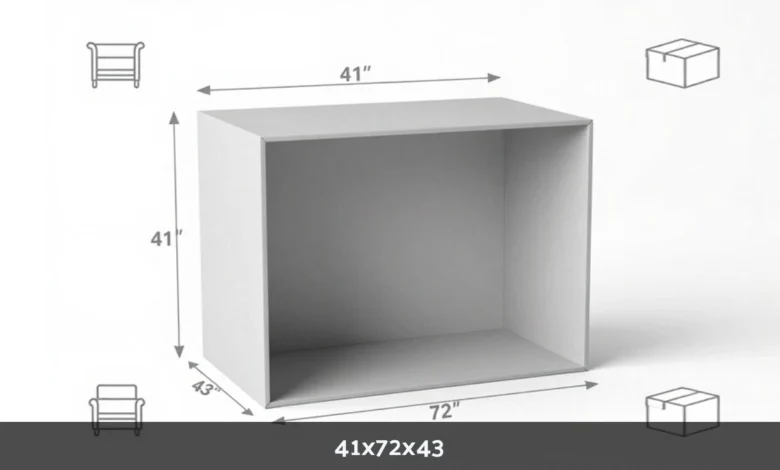
The measurement 41x72x43 represents three-dimensional specifications expressed in length × width × height format. Most commonly seen in furniture (like sectional sofas) and shipping contexts, these numbers require unit identification—inches, centimeters, or millimeters—before you can determine actual size, calculate volume, or verify fit in your space.
When you encounter 41x72x43, you’re looking at coordinates that define a three-dimensional object. But without knowing the measurement system, you can’t tell if this describes a small storage box or a full-sized sectional sofa. Here’s everything you need to make sense of these numbers.
What 41x72x43 Actually Tells You
Three numbers separated by multiplication signs indicate physical dimensions. The standard order places length first, width second, and height last (L × W × H). Some industries swap this to width × depth × height, particularly in cabinetry and architecture.
The dimension format appears across multiple contexts. In furniture listings, 41x72x43 inches might describe a sectional wedge piece. In shipping documents, the same numbers in centimeters would indicate a much smaller package. Manufacturing specs might use millimeters for precision work.
Your first job is confirming the unit of measurement. Check product descriptions, spec sheets, or ask the supplier directly. A single letter makes the difference between “41 in” and “41 cm”—and between an item that fits and one that doesn’t.
Converting Between Measurement Systems
You’ll frequently need to translate dimensions across different systems. Standard conversion factors include:
- 1 inch = 2.54 centimeters
- 1 inch = 25.4 millimeters
- 1 foot = 30.48 centimeters
- 1 meter = 39.37 inches
If 41x72x43 is measured in inches, the metric equivalent becomes 104.1 × 182.9 × 109.2 centimeters. Converting the opposite direction—from centimeters to inches—gives you 16.1 × 28.3 × 16.9 inches.
For millimeters to inches, divide each measurement by 25.4. When working with feet, multiply inches by 0.0833. Keep a calculator handy and double-check your math before cutting materials or placing orders.
Volume and Space Requirements
Three dimensions let you calculate volume using the formula: Length × Width × Height = Volume. With 41x72x43 inches, you get 126,696 cubic inches, which converts to approximately 73.3 cubic feet.
This volume figure matters for several reasons. Shipping companies use it to calculate dimensional weight, which can exceed actual weight for pricing. Storage facilities charge based on cubic footage. Material suppliers need volume calculations for quotes on insulation, packing materials, or protective coatings.
Surface area is another useful metric. For a rectangular object, calculate: 2[(L×W) + (L×H) + (W×H)]. This tells you how much paint, fabric, or wrapping material you’ll need to cover all sides.
Reading Dimensions in Different Industries
Furniture retailers typically list sectional sofa pieces with width as the first number. A wedge measuring 41×72×43 inches would be 41 inches wide (front to back), 72 inches along the wall, and 43 inches tall. This differs from the standard L × W × H convention.
Appliance manufacturers follow strict standards. A commercial refrigerator listed at 41×72×43 might represent width × height × depth, with specific clearance requirements noted separately. Always check the manufacturer’s diagram showing which measurement corresponds to which side.
Shipping and logistics professionals measure the longest side first, regardless of orientation. They need to know how an item will sit on a pallet and whether it requires oversized freight handling. A 72-inch measurement typically becomes the “length” in their system, even if that dimension runs vertically when the item is in use.
Furniture Applications of 41x72x43
The Ashley Next-Gen DuraPella sectional wedge measures 41×72×43 inches, making it a cornerstone piece for modular seating arrangements. This wedge size works well in medium to large living rooms, providing the angled connection point where two straight sections meet.
Standard sectional pieces range from small two-seaters (around 75-85 inches) to oversized configurations (150+ inches). A 72-inch wedge falls into the medium-large category, suitable for rooms with at least 12 feet of available wall space when you account for the perpendicular section.
When planning furniture placement, add 18-24 inches of clearance on all walking sides. This prevents the cramped feeling that occurs when furniture crowds the traffic flow. For pieces pushed against walls, leave 2-3 inches behind to allow for baseboards and to prevent wall damage.
Clearance and Tolerance Factors
Manufacturing tolerances define acceptable variation from stated dimensions. Furniture typically allows ±0.125 to ±0.25 inches. Precision equipment might specify ±0.5 millimeters. These small differences add up when fitting multiple pieces together or installing items in tight spaces.
Installation clearance serves different purposes. Appliances need airflow—usually 1-3 inches on the ventilation sides. Furniture requires swing space for doors and drawers. Recliners need 12-18 inches behind them when fully extended. Review manufacturer guidelines for specific requirements.
Delivery path dimensions often get overlooked until the truck arrives. Measure doorways, hallway widths, stairwell dimensions, and elevator sizes. A 72-inch item won’t fit through a 36-inch doorway unless it’s modular and breaks down into smaller components.
How to Measure for Proper Fit
Start with the installation space. Use a tape measure to record the length and width of the area, noting any permanent fixtures like radiators, outlets, or built-in shelving. Draw a simple floor plan on graph paper, using a scale like 1 square = 1 foot.
Measure the delivery path next. Walk from the entry door to the installation spot, recording the narrowest point at each turn. Doorframes, hallways, and staircases all present potential obstacles. Don’t forget to measure diagonally through doorways—sometimes you can angle large items through openings they wouldn’t fit straight through.
Check for overhead clearances, too. Low-hanging light fixtures, ceiling fans, and sloped ceilings can interfere with tall items. Measure floor-to-ceiling height at multiple points if your room has architectural features.
Orientation and Assembly Considerations
When documents show “L × W × H” without clarification, assume length is the longest horizontal dimension, width is the shorter horizontal dimension, and height is vertical. This convention works for most furniture and equipment.
Modular furniture changes the game. A sectional piece might be 41 inches deep (front to back), 72 inches wide (side to side), and 43 inches tall. The “depth” measurement tells you how far it extends into the room, while “width” indicates the space it occupies along the wall.
Assembly instructions should include a diagram labeling each dimension clearly. If you’re working without documentation, take photos during disassembly or sketch the configuration before moving pieces. Note which end has attachment hardware and which sides are finished versus unfinished.
Common Measurement Mistakes to Avoid
Forgetting to account for packaging adds several inches to each dimension. Shipping boxes include protective materials and air space. If measurements show 41×72×43, the boxed dimensions might be 44×75×46. This matters when scheduling delivery through narrow spaces.
Confusing interior and exterior dimensions causes frequent problems. Cabinet specifications might list exterior dimensions, while you need interior space for storage planning. Sectional “overall” dimensions include arms and backs, but seating area measurements exclude these elements.
Assuming all manufacturers follow the same conventions leads to errors. Some list dimensions as W × D × H, others use L × W × H. European manufacturers often present metric measurements even on products sold in the US. Read the fine print and confirm the unit system.
Calculating for Custom Modifications
If you’re building custom elements to fit a 41×72×43 space, subtract your materials’ thickness from each dimension. Quarter-inch plywood reduces interior dimensions by 0.5 inches (two sides). Cushioning adds back the thickness you need to account for in calculations.
Supporting structures require additional space. A platform base might add 4-6 inches to height. Brackets and mounting hardware can extend width by an inch or more on each side. Build these factors into your planning measurements from the start.
Professional installers typically work with 1/16-inch precision for finish work. Rough framing allows larger tolerances (±1/8 to ±1/4 inch). Know which category your project falls into and measure accordingly.
Storage and Transportation Planning
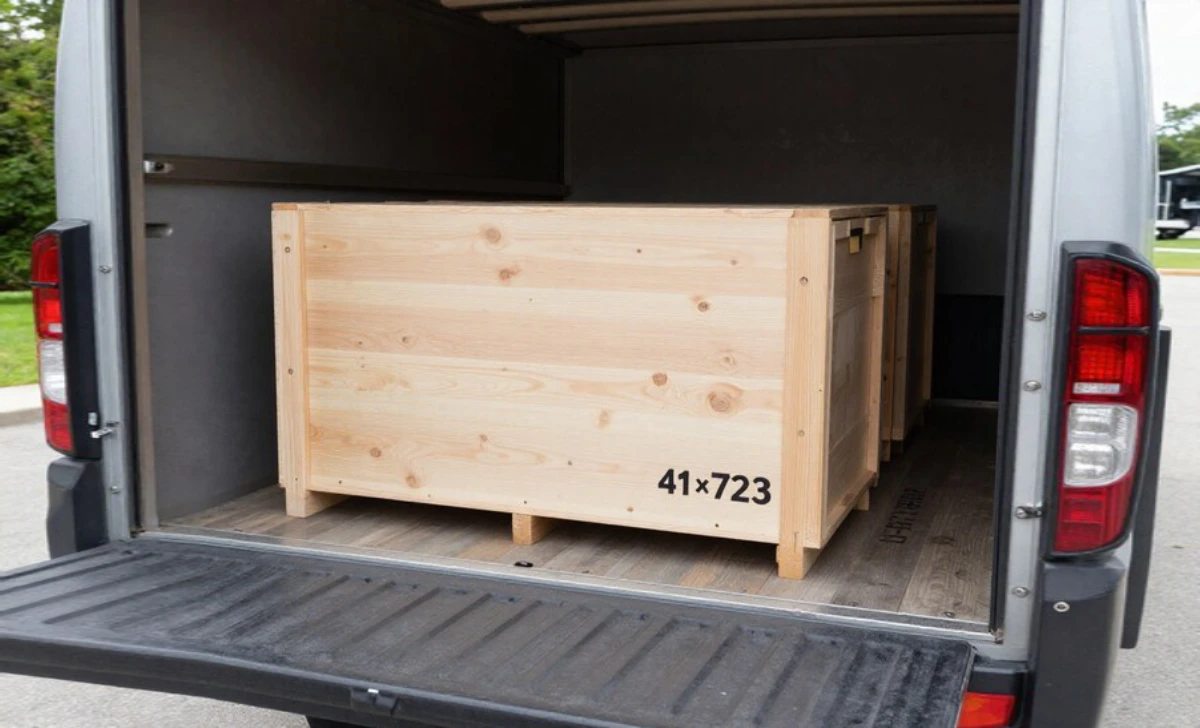
Items measuring 41×72×43 inches require specific handling. Most standard pickup trucks can’t accommodate a 72-inch length with the tailgate closed. You’ll need either a vehicle with an 8-foot bed or a trailer. Some furniture stores offer delivery services specifically because customers’ vehicles can’t handle the dimensions.
When storing items this size, calculate not just floor space but vertical clearance. A 43-inch height limits stacking options. Climate-controlled storage works best for furniture, but outdoor storage requires weatherproof covering and elevation off the ground to prevent moisture damage.
Professional movers charge based on cubic feet and weight. Calculate volume (73.3 cubic feet for 41×72×43 inches) and get an estimated weight from the manufacturer. This information helps you get accurate moving quotes and avoid surprise charges.
Safety and Ergonomic Considerations
A 43-inch height sits above the standard 36-inch countertop level but below typical standing desk height (around 48 inches). For seating, 43 inches represents the total height from floor to top of backrest—comfortable for most adults but potentially too tall for children to climb safely.
Weight distribution matters with large furniture. A piece that’s 72 inches wide but only 41 inches deep can be top-heavy if not properly designed. Check for anti-tip hardware or mounting requirements, especially in homes with children or pets.
Accessibility standards require minimum clearances around furniture. Leave 36 inches of clear floor space for wheelchair access. If the 41×72×43 item will be used by people with mobility limitations, confirm that seat height, arm height, and access points meet their needs.
Material and Construction Implications
Dimensions affect material selection. A 72-inch span requires adequate support to prevent sagging. Furniture frames use reinforced corners and center support beams at this size. The 41-inch depth provides stability but means you’ll need durable upholstery that resists compression over time.
Shipping costs rise with dimensional weight. Carriers use a formula that can make a lightweight but large item cost as much to ship as a heavy, compact one. For items 41×72×43, dimensional weight often exceeds actual weight, increasing freight charges.
Manufacturing efficiency improves when dimensions align with standard material sizes. Plywood comes in 4×8-foot sheets (48×96 inches). Fabric bolts typically measure 54-60 inches wide. Designers who work within these constraints reduce waste and cost.
Quick Reference for 41×72×43
In inches: Standard size for medium-large furniture pieces, requires careful space planning and professional delivery.
In centimeters: Compact item suitable for personal transport, fits through standard doorways easily.
In millimeters: Small precision component, likely industrial or technical application requiring exact specifications.
Volume (inches): 126,696 cubic inches = 73.3 cubic feet = 2.07 cubic meters
Surface area (inches): Approximately 15,602 square inches = 108.3 square feet = 10.06 square meters
Typical applications: Sectional sofa components, storage furniture, commercial equipment, shipping containers, display fixtures.
Final Thoughts
Understanding 41x72x43 requires more than reading three numbers. You need to identify the measurement system, confirm orientation, calculate space requirements, and account for installation factors. Whether you’re shopping for furniture, planning a delivery, or specifying custom work, take time to verify every dimension before committing.
Measure your space carefully, check delivery paths, and review manufacturer specifications for clearance requirements. The few minutes spent confirming details now prevent expensive mistakes and frustrating returns later. When in doubt, contact the seller or manufacturer with specific questions about dimensions and installation needs.
Frequently Asked Questions
What does 41x72x43 mean on furniture listings?
These three numbers represent physical dimensions in length × width × height format, though some manufacturers list width × depth × height. Always check the product description for the unit (inches or centimeters) and which measurement corresponds to which side of the furniture.
How do I know if 41x72x43 will fit in my room?
Measure your available space and subtract at least 18-24 inches for walking clearance. Compare your measurements to the furniture dimensions, confirming you understand which number represents width, depth, and height. Don’t forget to measure doorways and hallways for delivery access.
What’s the difference between 41x72x43 inches and centimeters?
The same numbers in inches create a much larger object than in centimeters. 41x72x43 inches equals approximately 104x183x109 centimeters. Always verify the unit before making purchase decisions or planning space arrangements.
Can I fit a 72-inch piece through a standard doorway?
Standard interior doors measure 30-36 inches wide. You cannot fit a 72-inch item straight through. Check if the furniture is modular and breaks into smaller pieces, or plan to bring it through larger openings like patio doors or remove doorframes temporarily.
Do I need to add extra space for sectional furniture movement?
Yes, sectionals with reclining features need 12-18 inches of clearance behind them. Even non-reclining pieces benefit from 2-3 inches behind for wall protection and easier cleaning. Factor these requirements into your space planning.