34×80 Interior Door Guide: Complete Buying and Installation Resource
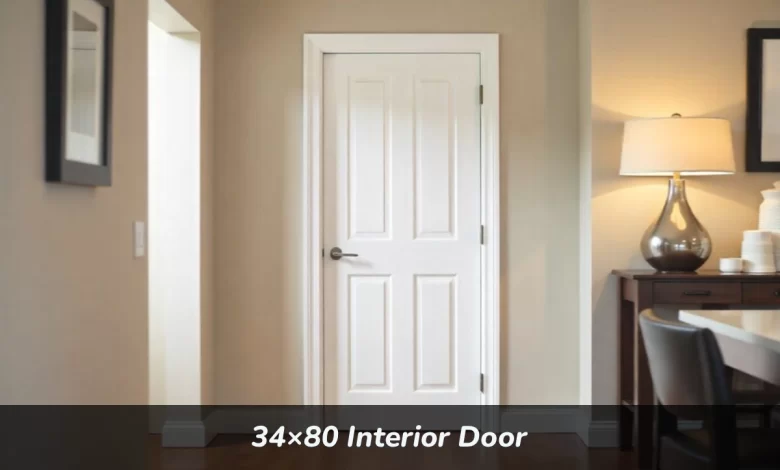
A 34×80 interior door measures 34 inches wide by 80 inches tall and provides a wider passage than standard 30-inch or 32-inch doors. The wider opening accommodates wheelchairs, furniture and provides better accessibility. You’ll need a rough opening of 36 inches wide by 82.5 inches tall for proper installation.
Your bedroom door feels cramped. Moving furniture through hallways becomes a frustrating game of angles and patience. You need better accessibility for a family member using mobility aids. The 34×80 interior door solves these problems while maintaining the standard 6-foot-8-inch height most homes require.
This guide covers everything from rough opening measurements to material selection, helping you choose and install the right door for your space.
What Makes 34×80 Interior Doors Different
A 34×80 door measures 34 inches wide and 80 inches (6 feet 8 inches) tall. The width places it between standard residential sizes and creates specific advantages for certain applications.
Standard door widths in homes typically measure 30 inches or 32 inches. The 34-inch width adds 2 to 4 inches of clearance compared to these common sizes. This extra space matters when you move large furniture, need wheelchair access, or want a more open feel between rooms.
Most interior doors require a rough opening 2 inches wider than the door width and 2.5 inches taller than the door height. For a 34×80 door, you need a rough opening measuring 36 inches wide by 82.5 inches tall. This extra space allows for the door frame, shims, and adjustments during installation.
The 80-inch height remains standard across most residential interior doors. This measurement works with typical 8-foot ceiling heights and leaves room for floor clearance underneath.
Rough Opening Requirements for 34×80 Doors
Getting the rough opening right prevents installation headaches and ensures your door functions properly.
Standard Rough Opening Dimensions
Your rough opening should measure 36 inches wide by 82.5 inches tall for a 34×80 door. This follows the standard construction practice of adding 2 inches to the width and 2.5 inches to the height.
The extra width accounts for:
- Door jamb thickness on both sides
- Shims for leveling and plumbing
- Adjustment space for imperfect framing
The extra height covers:
- Top jamb thickness
- Floor clearance (typically 0.5 to 0.75 inches)
- Shimming and leveling the space
Measuring Your Existing Opening
Measure three times at different points. Wall framing varies, and rough openings aren’t always perfectly square or plumb.
Take width measurements at the top, middle, and bottom. Record the smallest measurement. This tells you the tightest point your door frame must fit through.
Measure height on both sides and in the center. Again, use the smallest number. Check that corners form 90-degree angles by measuring diagonally from corner to corner. Both diagonal measurements should match within 0.25 inches.
If your rough opening measures smaller than 36×82.5 inches, you’ll need to remove drywall and reframe. If it measures larger, you can add furring strips to reduce the opening size.
When 34×80 Doors Make Sense for Your Home
Not every room needs a 34-inch-wide door. Understanding where this size excels helps you make smart choices for your renovation or new construction.
Accessibility and ADA Compliance
ADA standards require a minimum clear width of 32 inches for doorways when measured from the face of the door to the opposite stop. A 34-inch door easily meets and exceeds this requirement when properly installed.
The clear opening width measures less than the door width because the door thickness and stop molding reduce the available space. A 34-inch door typically provides 32 to 33 inches of clear width when fully open.
Standard wheelchairs measure approximately 24 to 27 inches wide. The 32-inch minimum allows comfortable passage without scraping knuckles or damaging walls. Wider doors reduce stress and make navigation easier for people using mobility aids.
Best Room Applications
Master bedrooms benefit from 34-inch doors. The wider opening feels more proportional to larger room sizes and makes furniture arrangement easier when you redecorate or move.
Walk-in closets work well with 34×80 doors. You can see more of the closet interior from the bedroom, and moving storage containers or seasonal items becomes simpler.
Home offices gain a professional appearance with wider doors. The extra width creates better flow during meetings when multiple people enter or exit.
Large bathrooms with separate toilet compartments or multiple users benefit from the additional clearance. Parents helping young children or caregivers assisting family members find the extra space valuable.
Material Options and Their Performance
Door material affects weight, durability, sound blocking, and cost. Each material type suits different needs and budgets.
Hollow Core Doors
Hollow core doors cost $50 to $150 and weigh 25 to 30 pounds. The lightweight construction uses a cardboard honeycomb interior between two thin wood or composite faces.
These doors work well for closets and rooms where sound privacy matters less. They install quickly because of their light weight. Paint adheres easily to the smooth surface.
Sound passes through hollow-core doors readily. Voices from adjacent rooms remain audible. These doors dent or puncture more easily than solid alternatives.
Solid Core and Solid Wood Doors
Solid core doors range from $150 to $300. They contain composite material or wood fiber pressed into a dense core, then covered with wood veneer or laminate. Weight typically reaches 60 to 80 pounds.
Solid wood doors cost $200 to $500 or more. True hardwood construction provides maximum durability and traditional aesthetics. These doors weigh 70 to 100 pounds, depending on the wood species.
Both options block sound effectively. They resist damage from impacts. The heavier weight requires three hinges instead of two for proper support.
Quality solid wood doors can be sanded and refinished multiple times over decades of use. Solid core doors with thin veneer allow limited refinishing.
MDF and Composite Options
Medium-density fiberboard (MDF) doors cost $120 to $250. The engineered wood material creates an exceptionally smooth surface ideal for painting. MDF resists warping better than solid wood in humid environments.
These doors weigh slightly more than hollow core but less than solid wood. The smooth surface shows no grain, which some homeowners prefer for painted finishes in contemporary designs.
MDF performs poorly when exposed to moisture. Bathrooms with poor ventilation can cause swelling and damage. The material also chips more easily at the edges than solid wood.
Glass Panel Doors
Doors with glass panels cost $300 to $700. They allow natural light to flow between rooms while maintaining physical separation. Popular styles include French doors with divided lights or modern designs with large glass sections.
Tempered or safety glass prevents dangerous breakage. Frosted or textured glass maintains privacy while transmitting light.
Glass panels reduce sound blocking and privacy. They require more careful handling during installation to prevent glass breakage. Cleaning involves maintaining both wood and glass surfaces.
Popular Design Styles for 34×80 Doors
Door design affects your home’s character. The style you choose should complement existing architecture and personal taste.
Panel Doors
Two-panel, four-panel, and six-panel designs remain popular for traditional and transitional homes. Raised panels create shadow lines and visual interest. Flat panels suit contemporary spaces.
Panel configuration follows historical precedents. Two-panel designs reference Shaker simplicity. Six-panel doors echo colonial American architecture.
These doors accept paint or stain equally well. Wood grain shows through the stain on solid wood versions, while painted versions create clean, modern looks.
Flush Doors
Completely flat surfaces define flush doors. The minimalist design works in modern and contemporary interiors. No grooves or decorative elements interrupt the smooth plane.
Flush doors cost less than panel doors in most cases. The simpler construction requires less labor. Paint application goes quickly on the flat surface.
The plain appearance lacks visual interest for some homeowners. These doors can appear institutional if not carefully specified with quality materials and finishes.
Barn Doors and Sliding Options
Sliding barn doors save floor space by eliminating the door swing radius. The visible track and rollers add industrial or rustic character, depending on the hardware finish.
You need clear wall space beside the door opening equal to the door width. The door slides along the wall surface when open.
Barn doors provide less sound isolation than hinged doors because gaps exist around all edges. Privacy matters more in some rooms than others.
Installation requires a wall backing strong enough to support the door’s weight and mounting hardware. Existing walls may need reinforcement.
Installation Process and Common Challenges
Proper installation ensures smooth operation and prevents future problems. Understanding the process helps you decide between DIY and professional installation.
Tools and Materials Needed
Gather these items before starting:
- 4-foot level
- Hammer or nail gun
- Wood shims
- 2.5-inch finish nails or screws
- Drill with bits
- Handsaw or reciprocating saw
- Measuring tape
- Safety glasses
Prehung doors arrive with the door already mounted in the frame with hinges attached. Slab doors require you to mortise hinges, drill for hardware, and hang the door yourself.
Prehung units cost $50 to $100 more than slabs but save hours of labor and ensure proper fit. Most DIYers should choose prehung doors.
Step-by-Step Installation
Remove the old door and frame if replacing an existing door. Cut through paint or caulk, sealing the trim to the wall. Pry off the trim carefully to avoid wall damage. Unscrew the hinges and remove the door. Cut through the nails holding the frame in place.
Clean the rough opening. Remove old shims, nails, and debris. Check that the opening measures correctly.
Test-fit the new frame in the opening before securing it. The frame should slide in with slight resistance. Too tight means you need to trim the opening. Too loose means you’ll need more shims.
Shim the hinge side first. Place shims behind each hinge location. Use your level to ensure the jamb stands perfectly plumb (vertical). Too much deviation causes the door to swing open or closed on its own.
Nail through the jamb and shims into the wall framing with 2.5-inch finish nails. Place nails just above and below each hinge location. Don’t nail through the weather strip groove.
Shim the top and latch side. Keep the frame square by checking diagonal measurements. Shim behind the strike plate area to prevent the frame from bowing inward.
Close the door and check the gap around all four sides. The gap should measure consistently between 0.125 and 0.1875 inches. Adjust shims as needed.
Install the lockset and strike plate according to the manufacturer’s instructions. Test the latch engagement. The door should close firmly and latch without resistance.
Cut shims flush with the frame using a handsaw or utility knife. Install trim to cover the gap between the frame and the wall. Caulk the trim and touch up paint.
Common Installation Mistakes

Failing to check the level and plumbing causes doors that won’t stay in position. Use your level frequently during installation.
Over-tightening screws through the frame pulls the jamb out of square. Tighten just enough to secure the frame while keeping it straight.
Inadequate shimming creates weak points where the frame flexes. Place shims every 12 to 16 inches along each jamb.
Reversing the door swing during installation wastes time. Verify the hand (swing direction) before ordering. Stand outside the room and note which side has hinges. Right-hand doors have hinges on the right when viewed from this position.
Cost Analysis and Budgeting
Understanding total project costs prevents surprises and helps you allocate budget appropriately.
Door Costs by Type
Hollow core doors: $50 to $150 Solid core doors: $150 to $300
Solid wood doors: $200 to $500, MDF doors: $120 to $250, Glass panel doors: $300 to $700
Prehung units add $50 to $100 to slab prices. The premium is worth paying for most installations.
Installation Labor
Professional installation costs $100 to $300 per door, depending on your location and job complexity. Simple bedroom door replacement takes 2 to 3 hours. Projects involving frame repair or modification cost more.
DIY installation saves labor costs but requires tools, time, and skill. Your first door installation takes longer than subsequent ones as you learn the process.
Additional Materials
Budget for these items beyond the door itself:
- Trim and casing: $30 to $100
- Door hardware (lockset, hinges if not included): $25 to $150
- Paint or stain: $20 to $50
- Shims and fasteners: $10 to $20
Total project costs range from $200 to $1,200 depending on door quality, installation method, and finish requirements.
Where to Buy
Home Depot and Lowe’s carry extensive 34×80 door selections. You can see products in person and load them immediately. Return policies protect you if sizing proves incorrect.
Online retailers like Wayfair offer more style choices and often better prices. Shipping adds cost and lead time. Damage during shipping requires return hassles.
Local door suppliers provide custom options and expert guidance. Prices run higher, but service quality often exceeds big box stores. These suppliers source better quality products than mass market options.
Maintenance Tips for Long-Term Performance
Regular maintenance extends door life and prevents minor issues from becoming major problems.
Cleaning and Care
Wipe painted doors with a damp cloth and mild soap. Avoid harsh chemicals that damage paint or clear coats. Dry immediately to prevent water spots.
Clean stained wood doors with products designed for wood finishes. Test cleaning solutions in inconspicuous areas first. Some cleaners dull or damage certain finishes.
Dust door tops and edges monthly. Grime accumulates where you don’t see it and eventually becomes visible.
Hardware Maintenance
Tighten hinge screws annually. Doors see constant use and vibration loosens fasteners over time. Loose hinges cause sagging and a poor fit.
Lubricate hinges yearly with light oil or silicone spray. Squeaking hinges annoy and indicate metal-on-metal wear. Wipe excess lubricant to prevent drips.
Check the lockset function regularly. Sticky latches indicate misalignment or hardware wear. Catch problems early before complete failure.
Damage Repair
Sand light scratches on painted doors with fine-grit sandpaper. Wipe clean and touch up with matching paint. Multiple light coats work better than one heavy coat.
Fill deeper gouges with wood filler. Sand is smooth when dry and painted. Color-match becomes tricky on stained doors. Professional repair provides better results for significant damage.
Adjust door position if gaps become uneven. Loose hinges or settling foundations cause misalignment. Tightening screws or adjusting hinges often solves the problem.
Key Considerations Before Purchasing
Review these factors to ensure your 34×80 door purchase meets your needs.
Check your rough opening measurements carefully. Ordering the wrong size costs time and money. Measure three times before ordering.
Verify door swing direction. Right-hand and left-hand configurations aren’t interchangeable. Measure from the side that the door swings into.
Consider sound blocking needs. Bedrooms and bathrooms benefit from solid core construction. Closets work fine with hollow core.
Match door style to your home’s architecture. Contemporary flush doors look wrong in traditional colonials. Panel styles should echo existing doors.
Review local building codes. Some jurisdictions require specific fire ratings for certain locations. Verify requirements before purchasing.
Calculate total project cost including installation, hardware, and trim. Budget overruns derail projects.
Final Thoughts
The 34×80 interior door provides wider passage and better accessibility than standard 30-inch or 32-inch options. The 2 to 4 inches of extra width accommodates wheelchairs, makes furniture moving easier, and create a better proportion in larger rooms.
Your choice between hollow core, solid core, solid wood, or composite materials depends on budget, sound blocking needs, and desired longevity. Installation requires attention to level, plumb, and shimming, but remains achievable for homeowners with moderate DIY skills.
Measure your rough opening accurately, verify door swing direction, and choose materials suited to your specific application. The wider door opening improves daily function while maintaining standard height compatibility with your existing home.