3 Bedroom Semi Detached House for Rent: Complete Guide
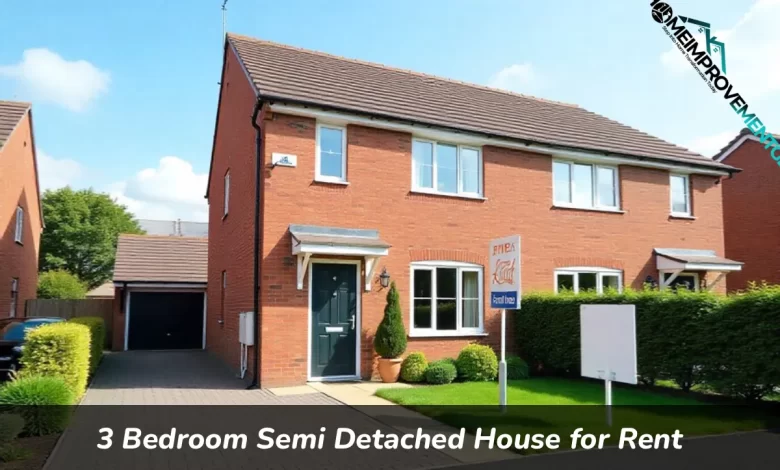
A 3-bedroom semi-detached house for rent offers families affordable space with shared wall construction. These properties typically cost 15-25% less than detached homes while providing private yards, three sleeping areas, and neighborhood amenities. Average rents range from $1,600 to $2,800 monthly, depending on location and condition.
Finding the right rental home feels overwhelming when you have a growing family. You need space, affordability, and a neighborhood that works for your lifestyle. Semi-detached houses hit that sweet spot between cramped apartments and expensive standalone homes.
This guide shows you exactly what to look for in a 3-bedroom semi-detached rental, what you’ll pay, and how to find the best deal in your area.
What Makes Semi-Detached Houses Different
Semi-detached houses share one wall with a neighboring property. Think of them as half of a duplex, but with more privacy than townhouses or apartments.
The shared wall typically runs through the center of both homes. Each unit has its own entrance, yard space, and utilities. You own or rent one side while someone else occupies the other.
This construction style became popular after World War II. According to housing records, semi-detached properties accounted for 32% of UK housing transactions in 2008, making them one of the most common property types in many countries.
The three-bedroom layout gives you space for a master bedroom, kids’ rooms, or a home office. Most units range from 1,200 to 2,000 square feet, with two bathrooms and a small yard.
Current Rental Prices for 3 Bedroom Homes
Rental costs vary widely by location and property condition. Here’s what you can expect to pay:
National averages for 2024:
- 3-bedroom apartments: $1,990 per month (down 0.5% from 2023)
- 3-bedroom houses: $2,200 to $2,800 per month
- Semi-detached properties: 15-25% below detached house rates
Regional breakdown:
- West Coast cities: $2,500 to $3,200 monthly
- Midwest markets: $1,600 to $2,300 monthly
- Southern states: $1,800 to $2,500 monthly
- Northeast corridor: $2,200 to $3,000 monthly
Private rents rose 8.9% in the year leading up to June 2024 in some markets. The West Midlands showed the highest percentage of renters needing housing support during this period.
Semi-detached homes cost less because you share one wall and typically have smaller lots than fully detached properties. This makes them accessible for families who need space but can’t afford premium rentals.
Key Benefits of Renting Semi-Detached Properties
Semi-detached houses offer specific advantages for families and professionals.
More space for less money. You get dedicated bedrooms, living areas, and outdoor space without paying for a full detached house. This matters when you need room for kids, pets, or remote work setups.
Private outdoor areas. Most semi-detached rentals include a small yard or patio. You can set up a grill, let kids play outside, or garden without sharing common areas with dozens of neighbors.
Better sound insulation than apartments. While you share one wall, modern construction includes sound barriers. You hear less noise than in apartment buildings where you have neighbors above, below, and on multiple sides.
Established neighborhoods. Semi-detached homes typically sit in residential areas with good schools, parks, and local amenities. You get neighborhood stability without the isolation of rural detached properties.
Flexibility for families. Three bedrooms handle various life stages. Young families use two rooms for kids and one for guests. Remote workers convert a bedroom into an office. Growing families have space for everyone.
The extra living space proves perfect for those working from home or anyone looking for more room to spread out. Layout flexibility allows you to adapt the space to your needs.
What to Check Before Signing a Lease
Smart renters inspect properties carefully before committing. Here’s your checklist:
Wall conditions and soundproofing:
- Check the shared wall for cracks or water damage
- Ask about insulation between units
- Visit at different times to assess noise levels
- Request information about neighbor turnover
Outdoor space and boundaries:
- Verify where your yard ends and the neighbor’s begins
- Check fence conditions and maintenance responsibilities
- Ask who handles lawn care and snow removal
- Inspect outdoor utilities and hookups
Maintenance responsibilities:
- Clarify what the landlord covers versus the tenant’s duties
- Get shared expense agreements in writing
- Understand who fixes issues with the shared wall
- Ask about response times for repairs
Parking and storage:
- Count dedicated parking spaces
- Check garage or carport access
- Verify basement or attic storage availability
- Ask about street parking rules
Utilities and costs:
- Request average monthly utility bills
- Confirm which utilities you pay directly
- Ask about the HVAC system age and efficiency
- Check the water heater capacity for family use
Neighborhood research:
- Visit the area at rush hour and evenings
- Check school ratings if you have kids
- Map distances to work, stores, and services
- Review local crime statistics online
Document everything with photos during your walkthrough. Note any existing damage before moving in to protect your security deposit.
How to Find Quality 3 Bedroom Rentals
Finding the right property requires strategy and timing.
Start with major rental platforms. Sites like Rent.com, Redfin, and Apartments.com list thousands of properties. Set up alerts for new 3-bedroom semi-detached listings in your target areas.
Work with local rental agents. Real estate agents who specialize in rentals know properties before they hit public listings. They can match you with landlords looking for reliable tenants.
Drive target neighborhoods. Many landlords post “For Rent” signs without listing online. This works especially well in established residential areas where semi-detached homes cluster.
Join community social media groups. Local Facebook groups and Nextdoor communities often share rental listings. Neighbors know when properties become available before they’re officially listed.
Contact property management companies. Firms managing multiple properties often have waiting lists. Get on their radar before you urgently need to move.
Time your search strategically. Most leases end during the summer months. Start searching 60-90 days before you need to move for the best selection.
Be ready to act fast. Good properties rent quickly. Have your application materials ready: proof of income, references, rental history, and a cover letter explaining why you’re an ideal tenant.
Consider working with a rental agent to access off-market properties and get professional negotiation help.
Comparing Semi Detached vs Other Rental Types
Understanding your options helps you make the right choice.

Semi-detached vs apartments:
- Semi-detached homes offer private entrances and yards
- Apartments provide amenities like pools and gyms
- Semi-detached units have fewer shared walls
- Apartments typically include maintenance in the rent
Semi-detached vs townhouses:
- Townhouses share two walls instead of one
- Semi-detached properties often have larger yards
- Townhouses may include HOA amenities
- Semi-detached homes offer slightly more privacy
Semi-detached vs fully detached:
- Detached homes cost 15-30% more monthly
- Semi-detached properties still provide yard space
- Detached houses offer complete privacy
- Semi-detached options exist in more urban areas
Semi-detached vs duplexes:
- These terms often describe the same property type
- Duplexes may have different layouts (side-by-side or stacked)
- Semi-detached always means side-by-side construction
- Rental terms and costs are typically similar
Your best choice depends on budget, location preferences, and how much shared space you can accept. Semi-detached homes balance affordability with privacy better than most alternatives.
Understanding Your Lease Agreement
Read every lease clause before signing. Key sections to review:
Rent payment terms:
- Monthly amount and due date
- Accepted payment methods
- Late payment fees and grace periods
- Annual rent increase policies
Security deposits:
- Amount required (typically one to two months’ rent)
- Conditions for return
- Timeline for getting deposits back
- Deductions for damages versus normal wear
Maintenance and repairs:
- Emergency contact procedures
- Response time guarantees
- Tenant versus landlord responsibilities
- Process for requesting repairs
Occupancy rules:
- Who can live in the property
- Guest policies and duration limits
- Pet restrictions and deposits
- Subletting permissions
Shared wall provisions:
- Noise restrictions and quiet hours
- Procedures for neighbor disputes
- Rules about wall modifications
- Responsibilities for shared structure maintenance
Early termination clauses:
- Notice period required (typically 30-60 days)
- Penalties for breaking the lease
- Job relocation exceptions
- Options for finding replacement tenants
Get clarification on anything unclear. Request changes in writing before signing if the terms don’t work for you.
Making the Most of Your Space
Three bedrooms give you flexibility. Here’s how to maximize your layout:
Master bedroom setup:
- Use the largest room for your private retreat
- Add blackout curtains for better sleep
- Create a reading nook if space allows
- Install organizers for closet efficiency
Kids’ rooms:
- Assign rooms based on age and needs
- Use vertical storage to maximize floor space
- Create designated homework areas
- Add individual personality without permanent changes
Flex space options:
- Convert the third bedroom into a home office
- Create a craft room or hobby space
- Set up a guest room with a daybed
- Design a home gym or meditation area
Living areas:
- Arrange furniture to maximize conversation spaces
- Use area rugs to define different zones
- Add lighting for ambiance and functionality
- Mount TVs to save floor space
Outdoor spaces:
- Create a dining area on patios
- Start container gardens for fresh herbs
- Set up play equipment for kids
- Install string lights for evening ambiance
Remember you’re renting. Use removable solutions like command hooks, freestanding shelves, and furniture instead of permanent installations.
Budgeting Beyond Base Rent
Plan for costs beyond your monthly payment.
Utilities (average monthly):
- Electric: $100 to $200
- Gas: $50 to $150
- Water/sewer: $50 to $100
- Internet: $50 to $100
- Trash collection: $20 to $50
Insurance:
- Renters insurance: $15 to $30 monthly
- Covers personal belongings and liability
- Required by many landlords
- Much cheaper than homeowners’ insurance
Maintenance costs:
- Lawn care supplies: $30 to $100 monthly
- Snow removal equipment: $50 to $200 seasonal
- Minor repairs: $20 to $50 monthly average
- Pest control: $30 to $60 quarterly
Moving and setup:
- Moving costs: $500 to $2,000
- Utility deposits: $100 to $300
- Furniture and supplies: Variable
- First month plus security deposit upfront
Total monthly housing cost:
- Base rent: $1,800 to $2,800
- Utilities: $270 to $600
- Insurance: $15 to $30
- Maintenance: $20 to $100
- Average total: $2,105 to $3,530 monthly
Build a 10% buffer into your budget for unexpected costs. This protects you from surprise expenses that come with any rental property.
Final Thoughts
A 3-bedroom semi-detached house for rent gives families the space they need at prices they can manage. You get private outdoor areas, multiple bedrooms, and neighborhood living without paying for a fully detached home.
Start your search early and come prepared with all necessary documents. The best properties rent quickly, especially in competitive markets. Know your budget, including utilities and insurance, not just base rent.
Inspect properties thoroughly before signing. Check the shared wall, outdoor boundaries, and all mechanical systems. Read your lease carefully and ask questions about anything unclear.
The right semi-detached rental balances your space needs with your budget constraints. Take time to find a property that works for your family’s current situation and near-term future.
FAQs
How much should I budget for a 3-bedroom semi-detached house?
Plan for total monthly costs of $2,100 to $3,500, including rent, utilities, insurance, and maintenance. Base rent typically ranges from $1,600 to $2,800, depending on your location. Add 20-30% for utilities and other expenses.
Do semi-detached houses have more noise than detached homes?
Yes, you’ll hear some noise through the shared wall, but much less than in apartments. Modern construction includes sound insulation between units. Visit properties at different times to assess actual noise levels before renting.
Who maintains the yard in a semi-detached rental?
This varies by lease agreement. Some landlords handle all yard work while others expect tenants to maintain outdoor spaces. Clarify these responsibilities in writing before signing your lease.
Can I make changes to a semi-detached rental property?
Minor changes like painting may be allowed with landlord approval. Major modifications to the shared wall or structure typically require written permission and professional installation. Always ask before making any changes.
Are semi-detached homes good for families with kids?
Yes, they work well for families. You get dedicated bedrooms, private yard space for play, and established neighborhoods near schools. The layout provides more space than apartments while costing less than detached houses.